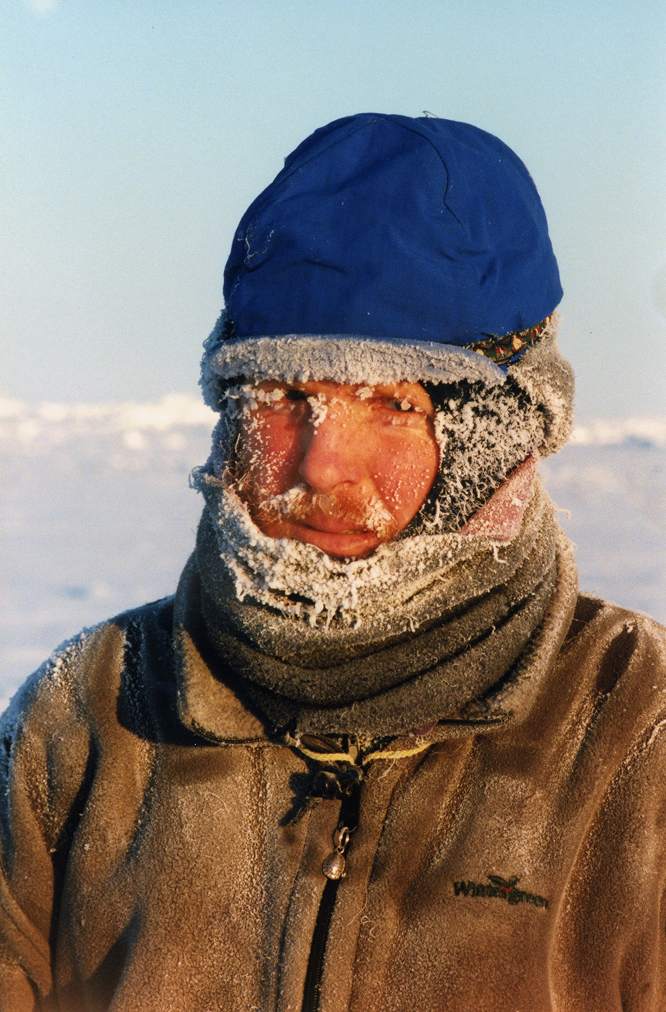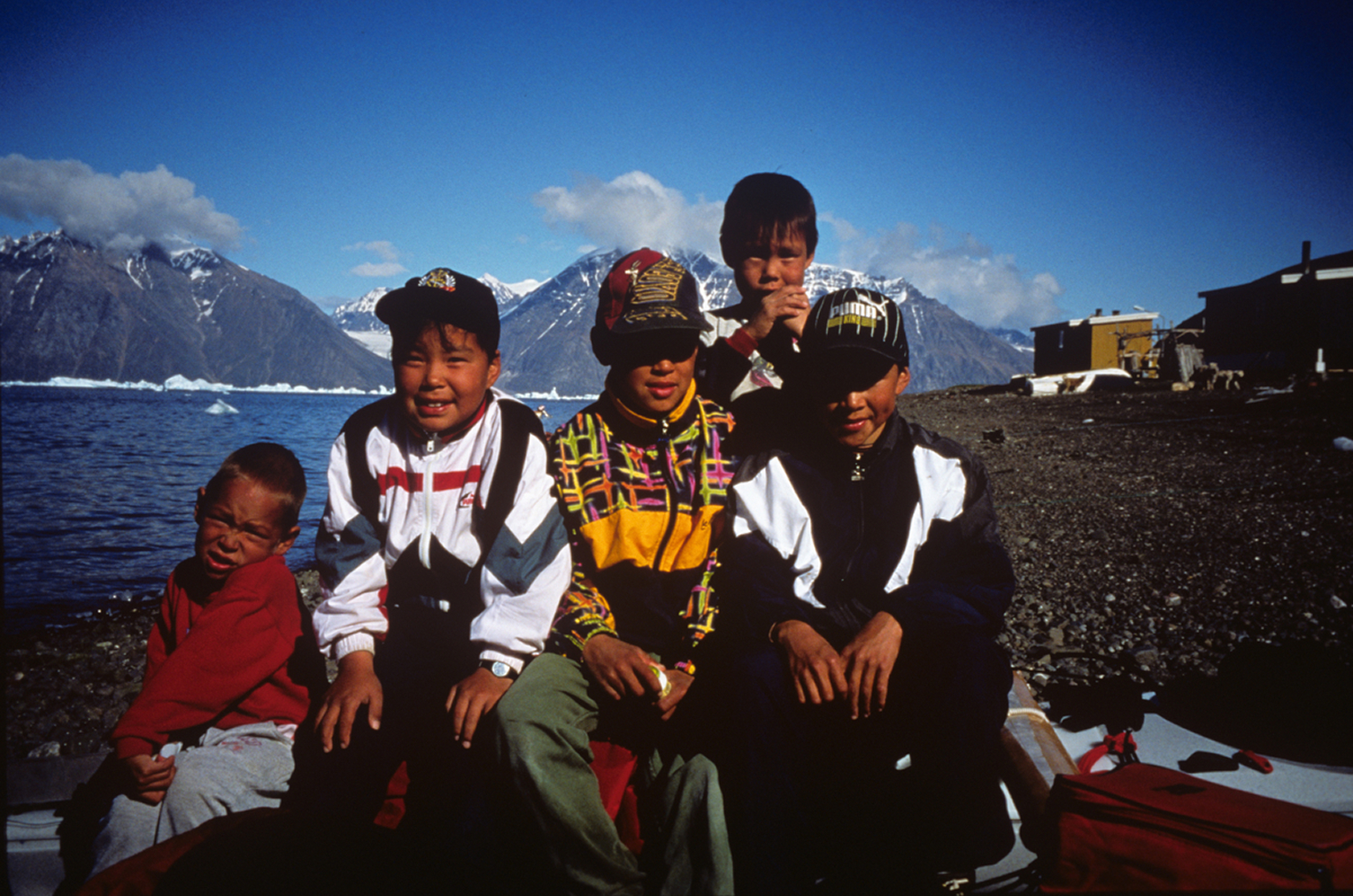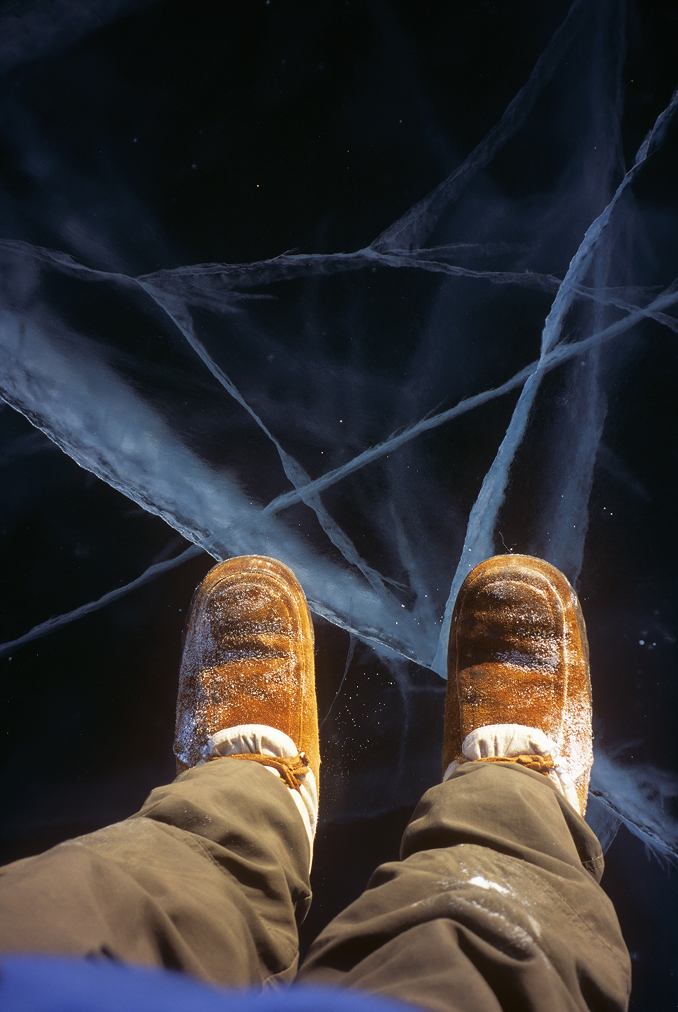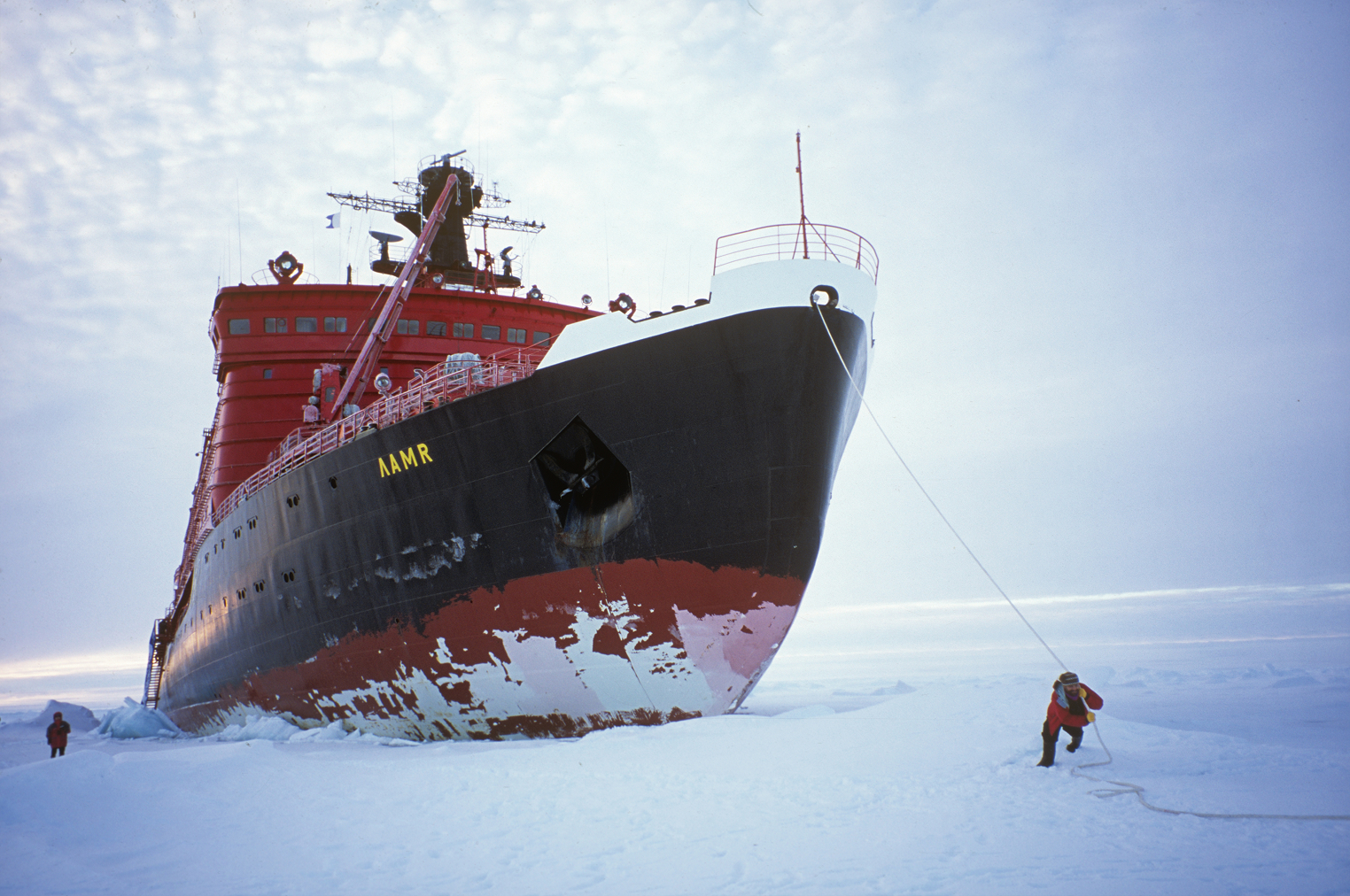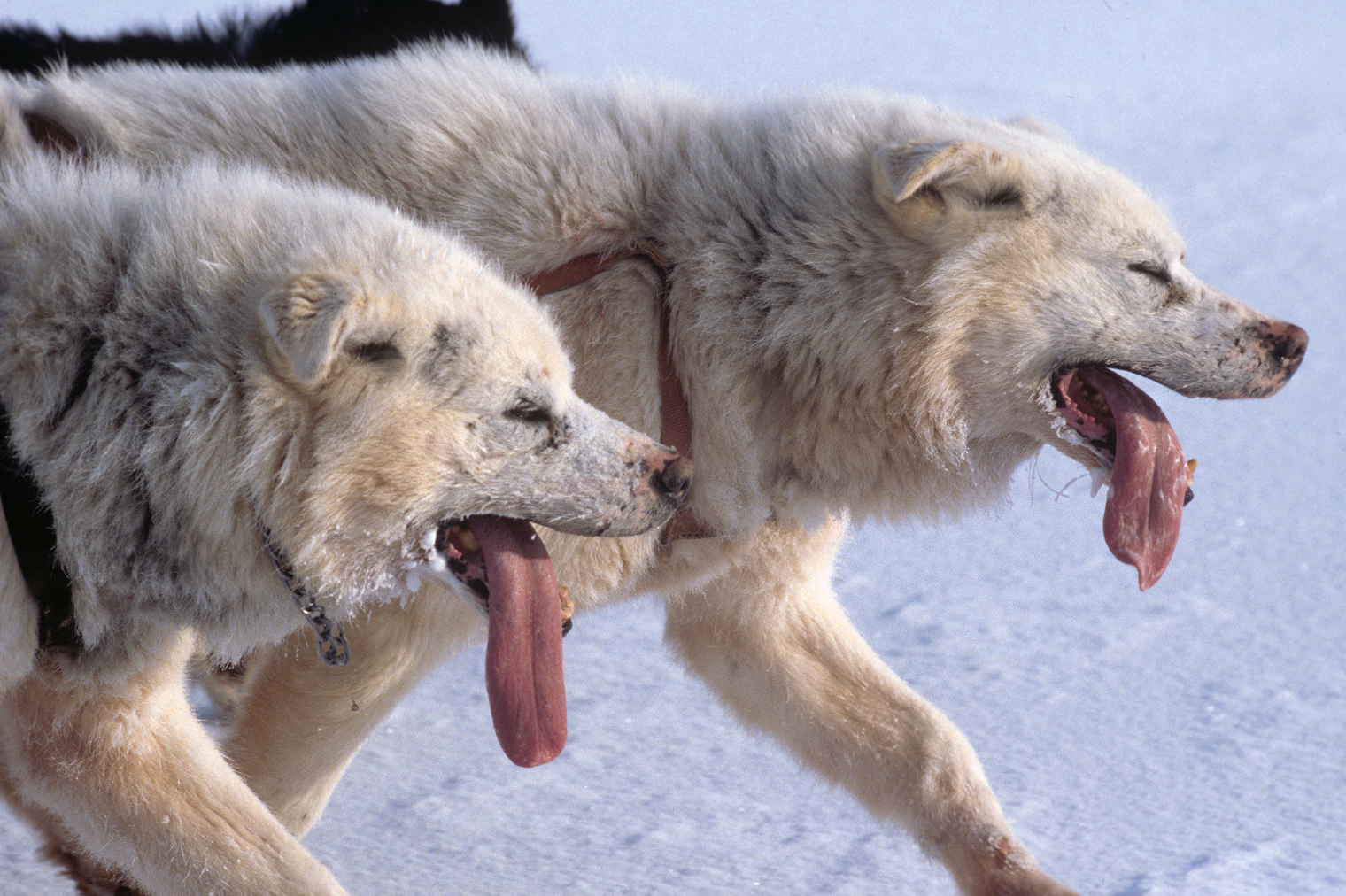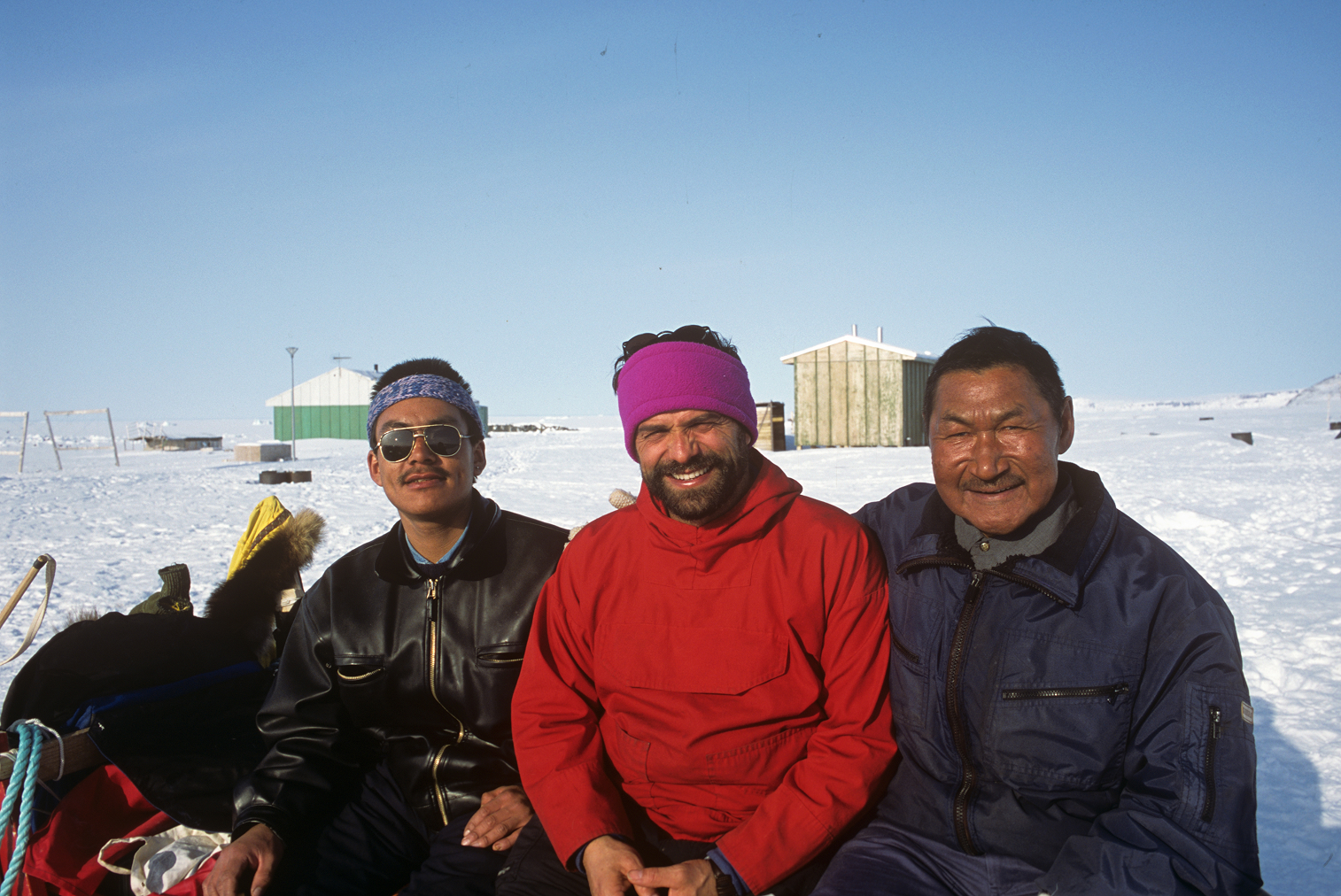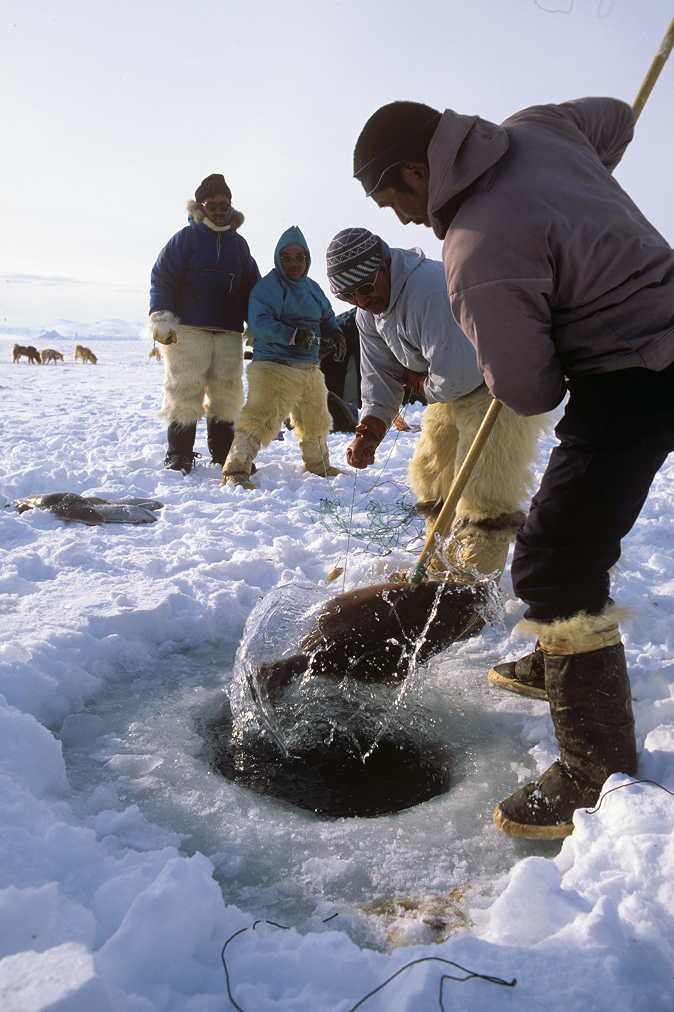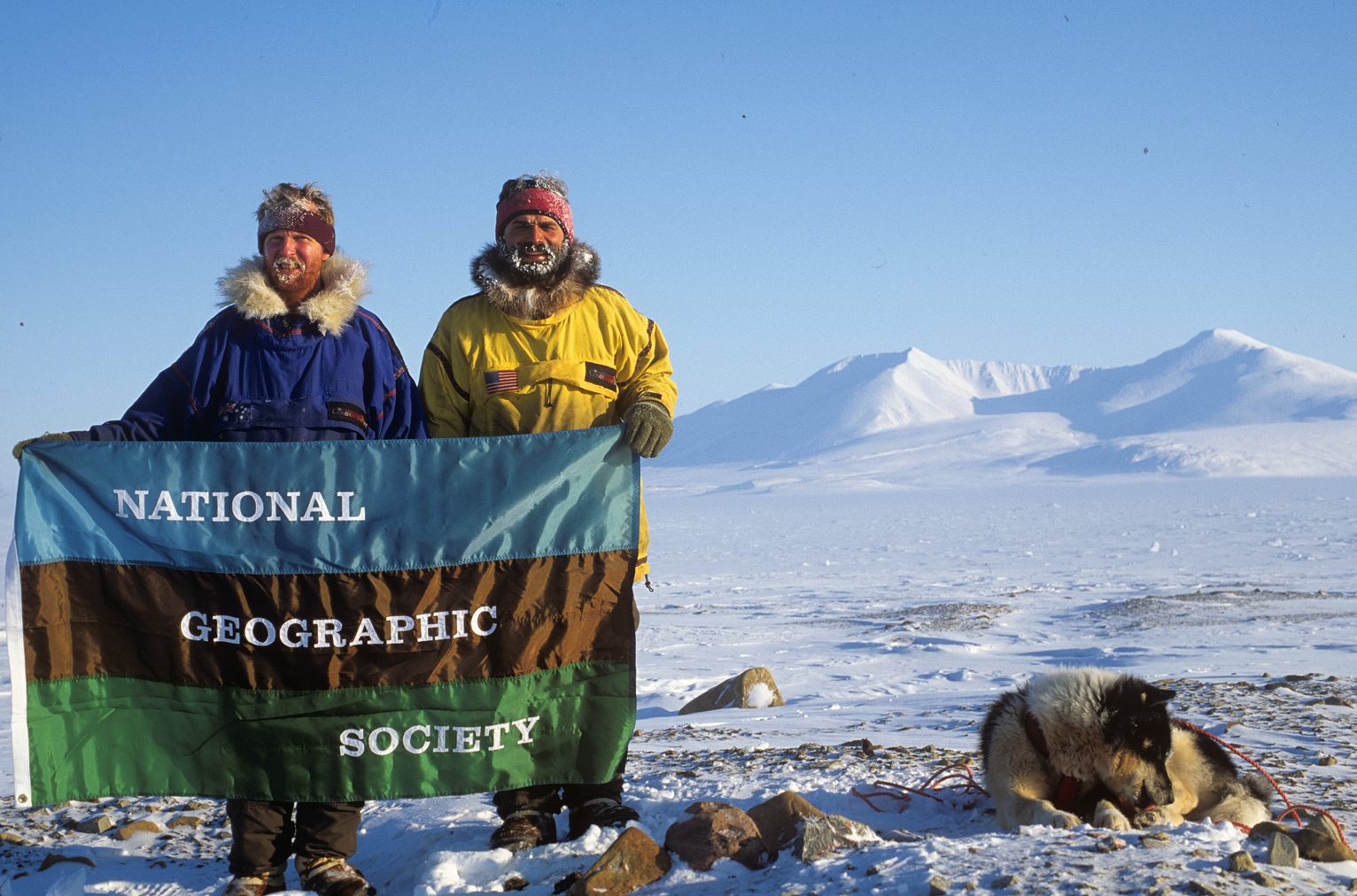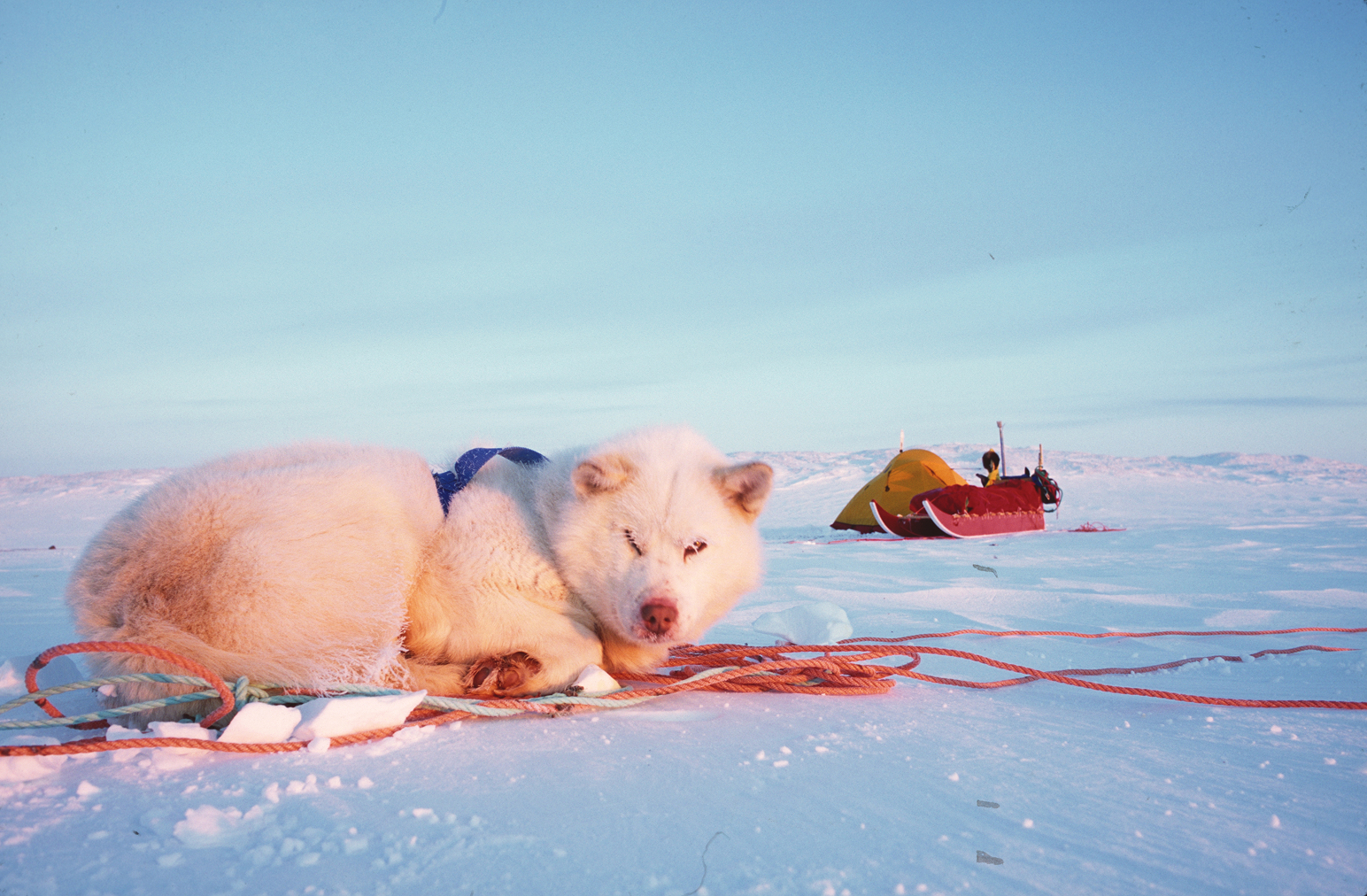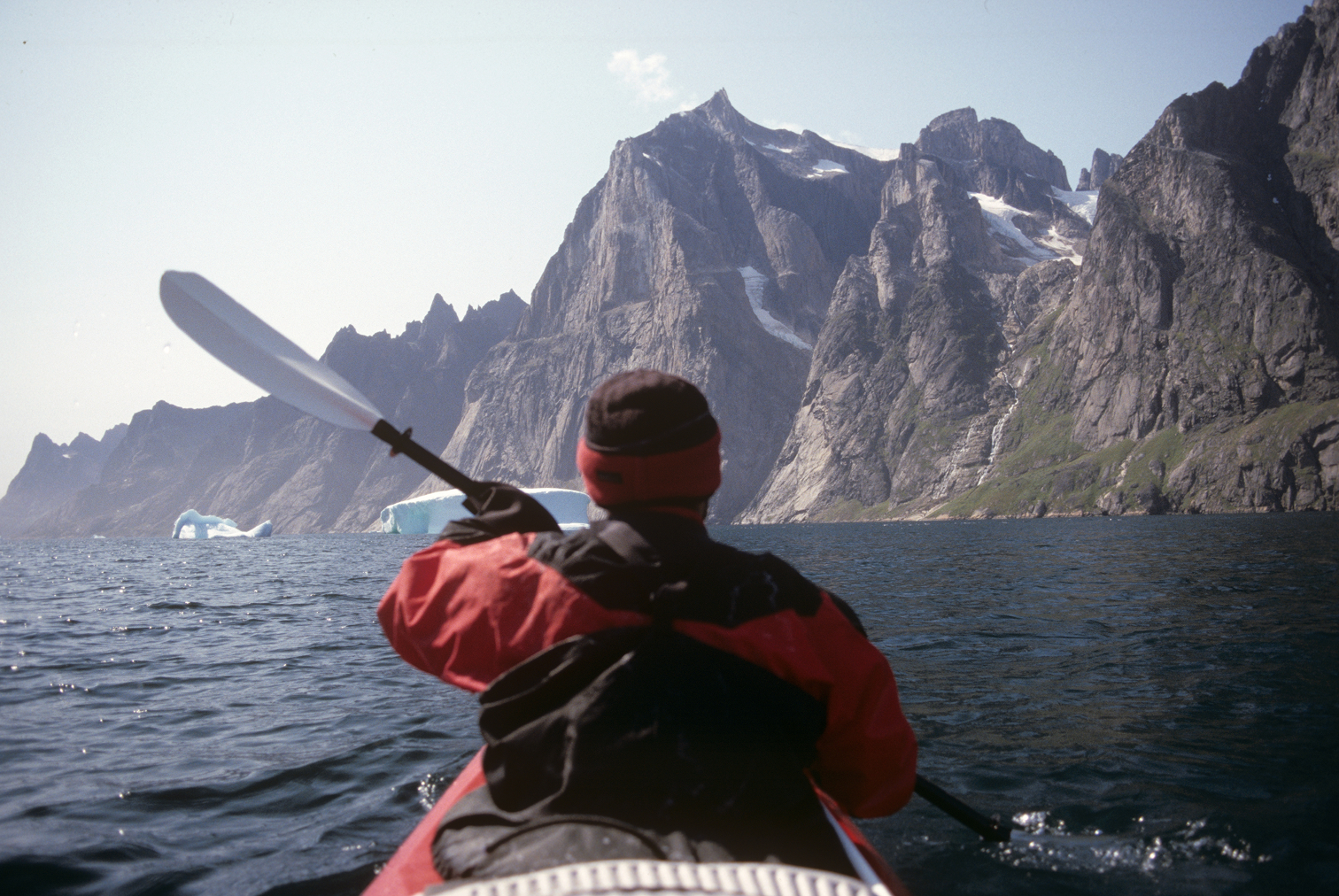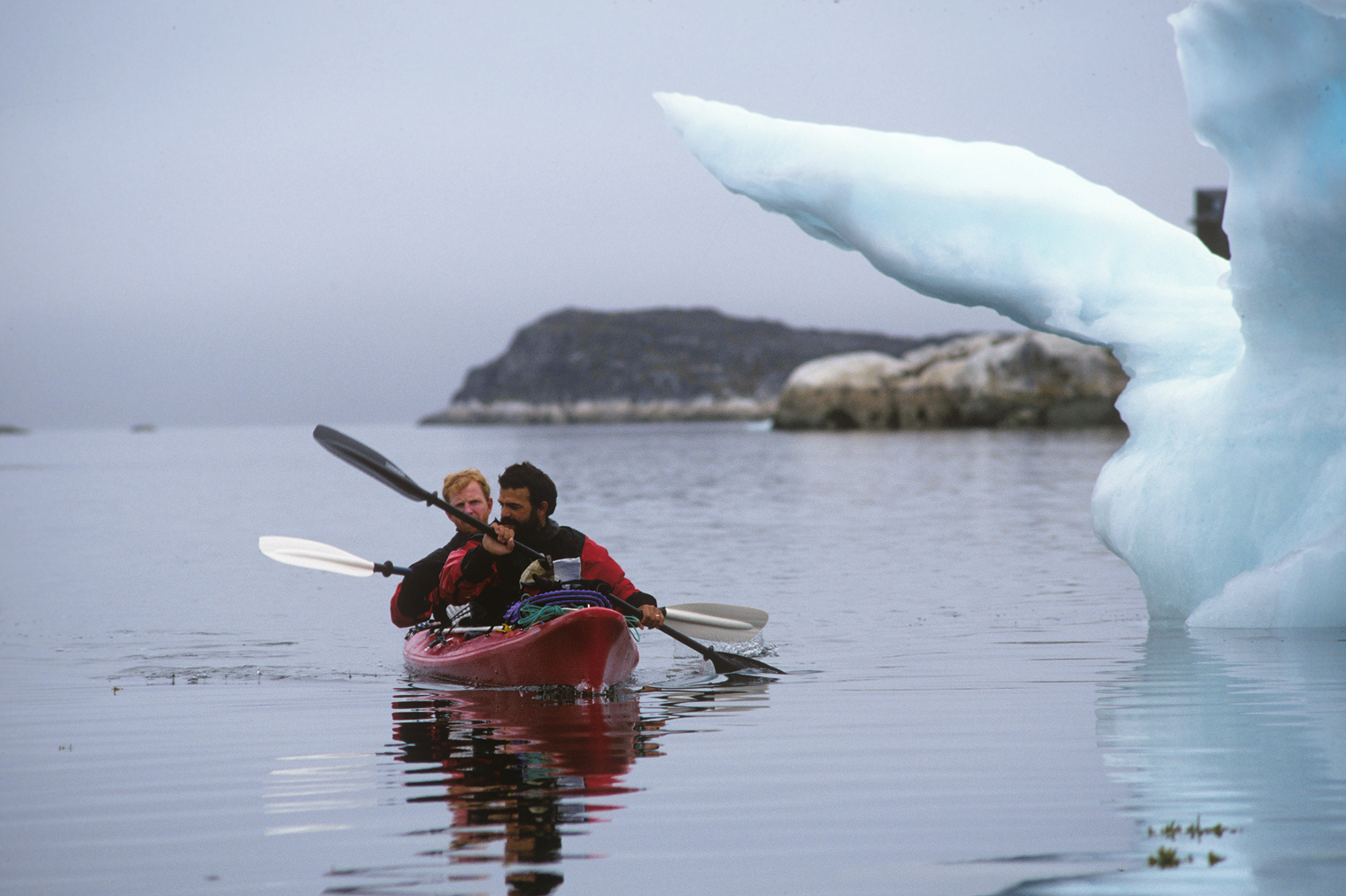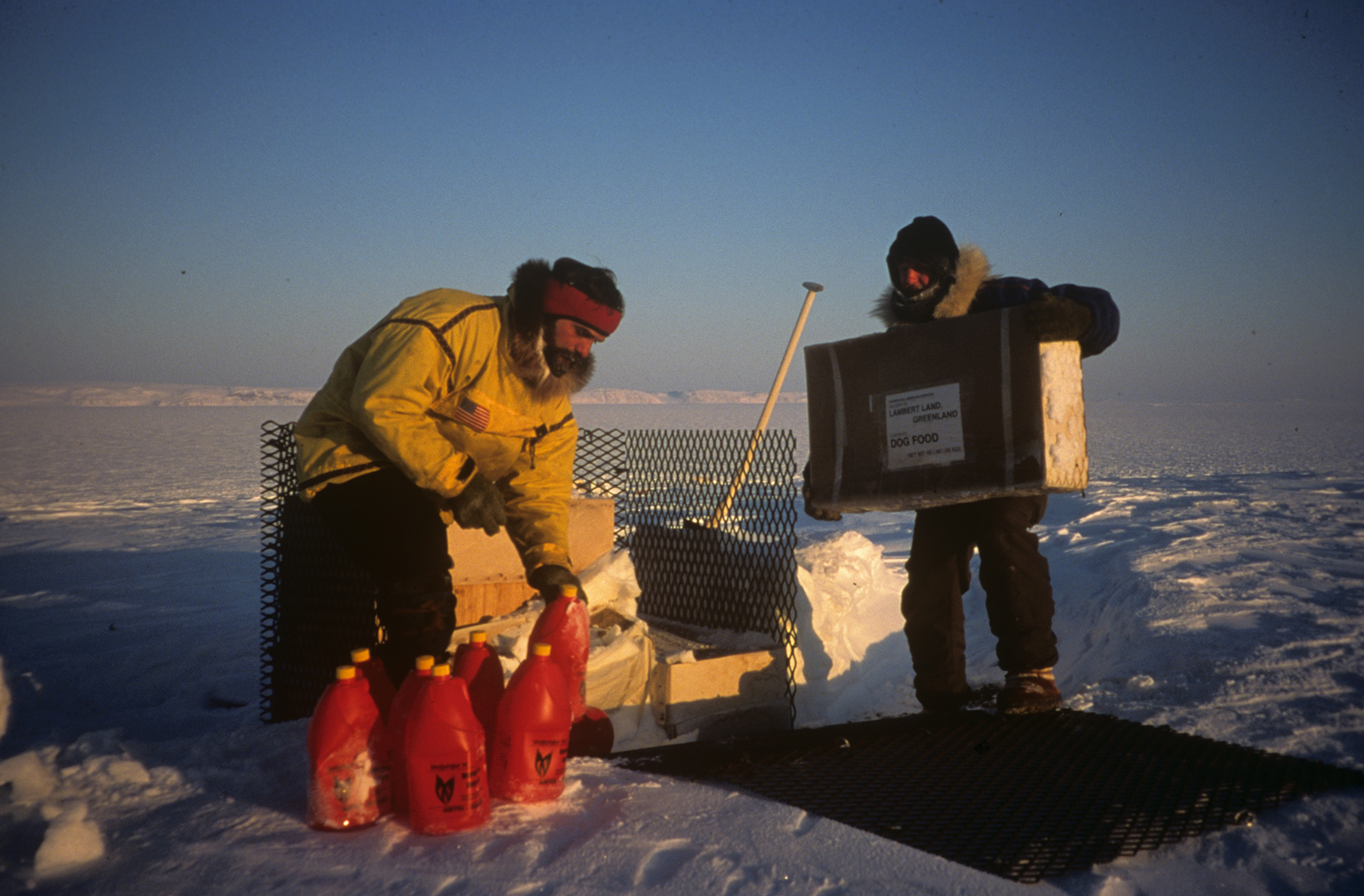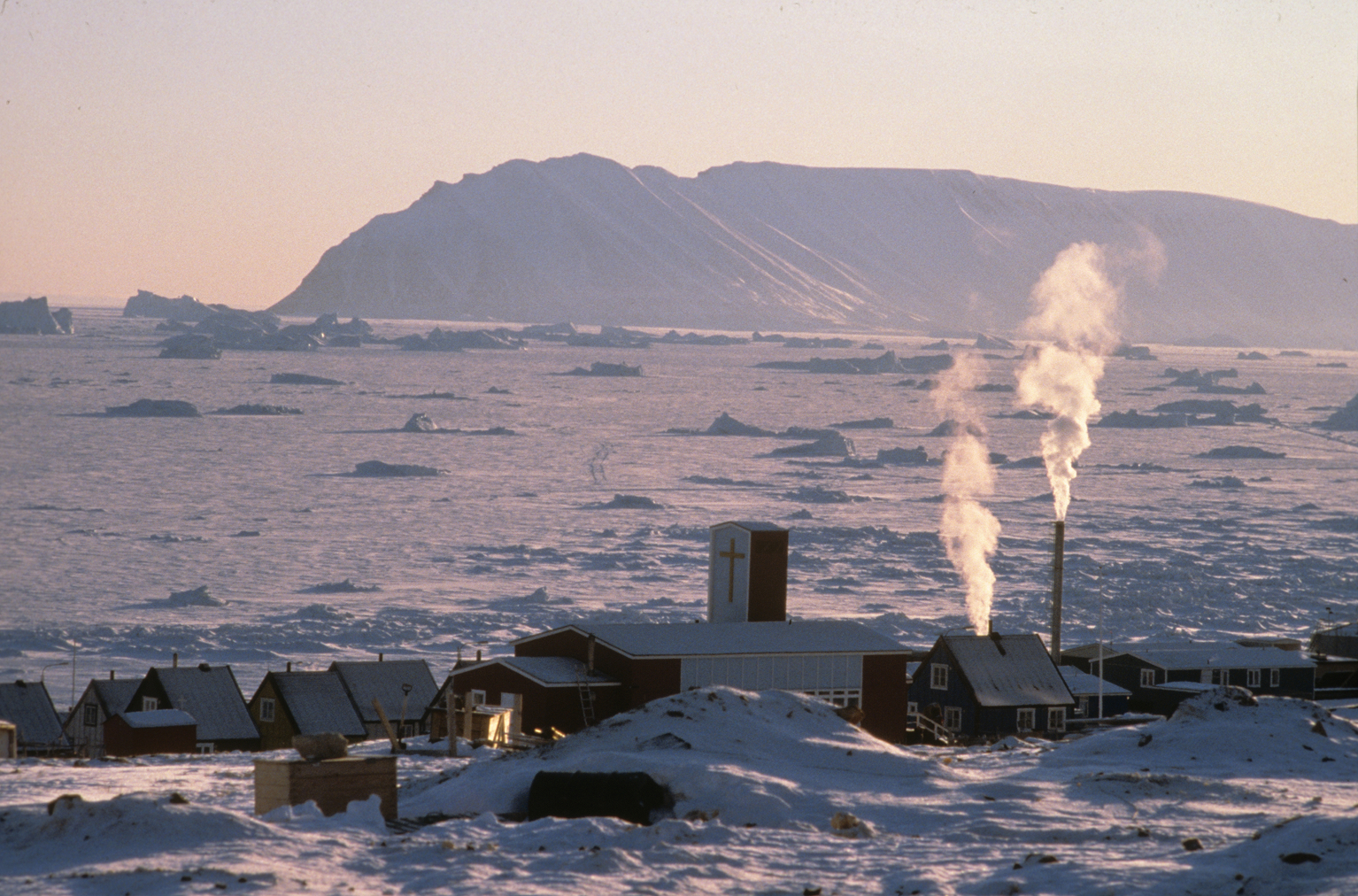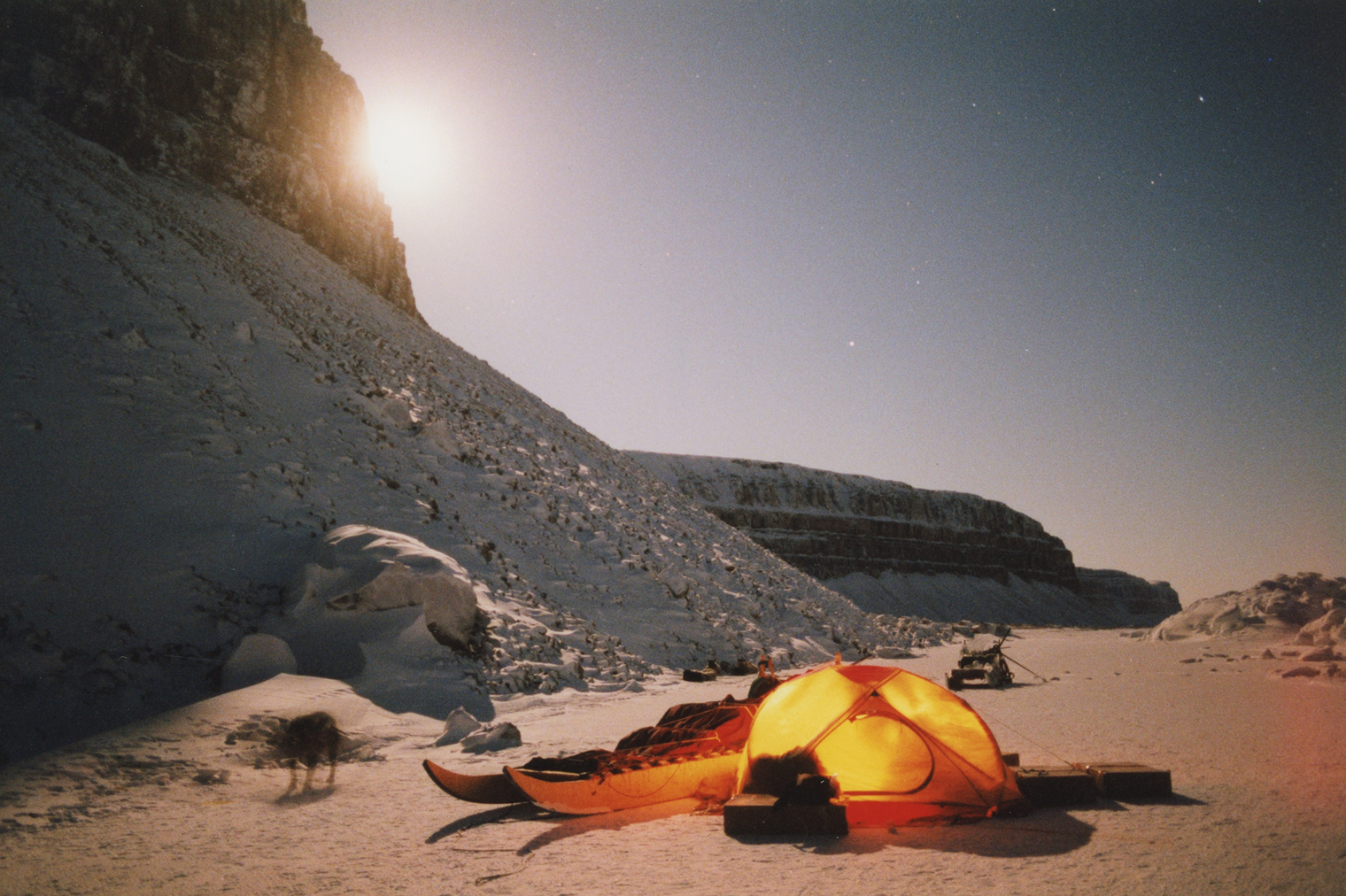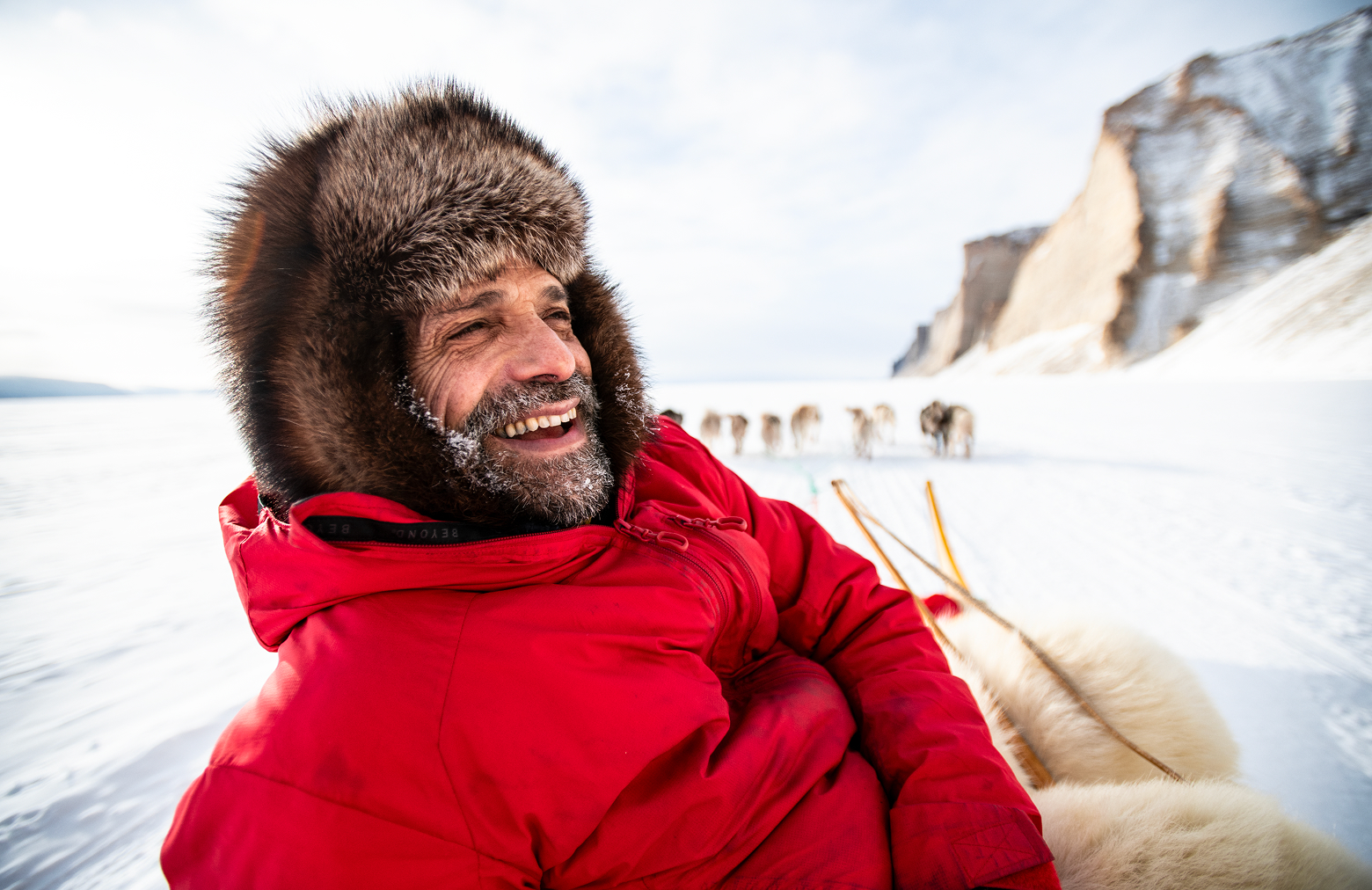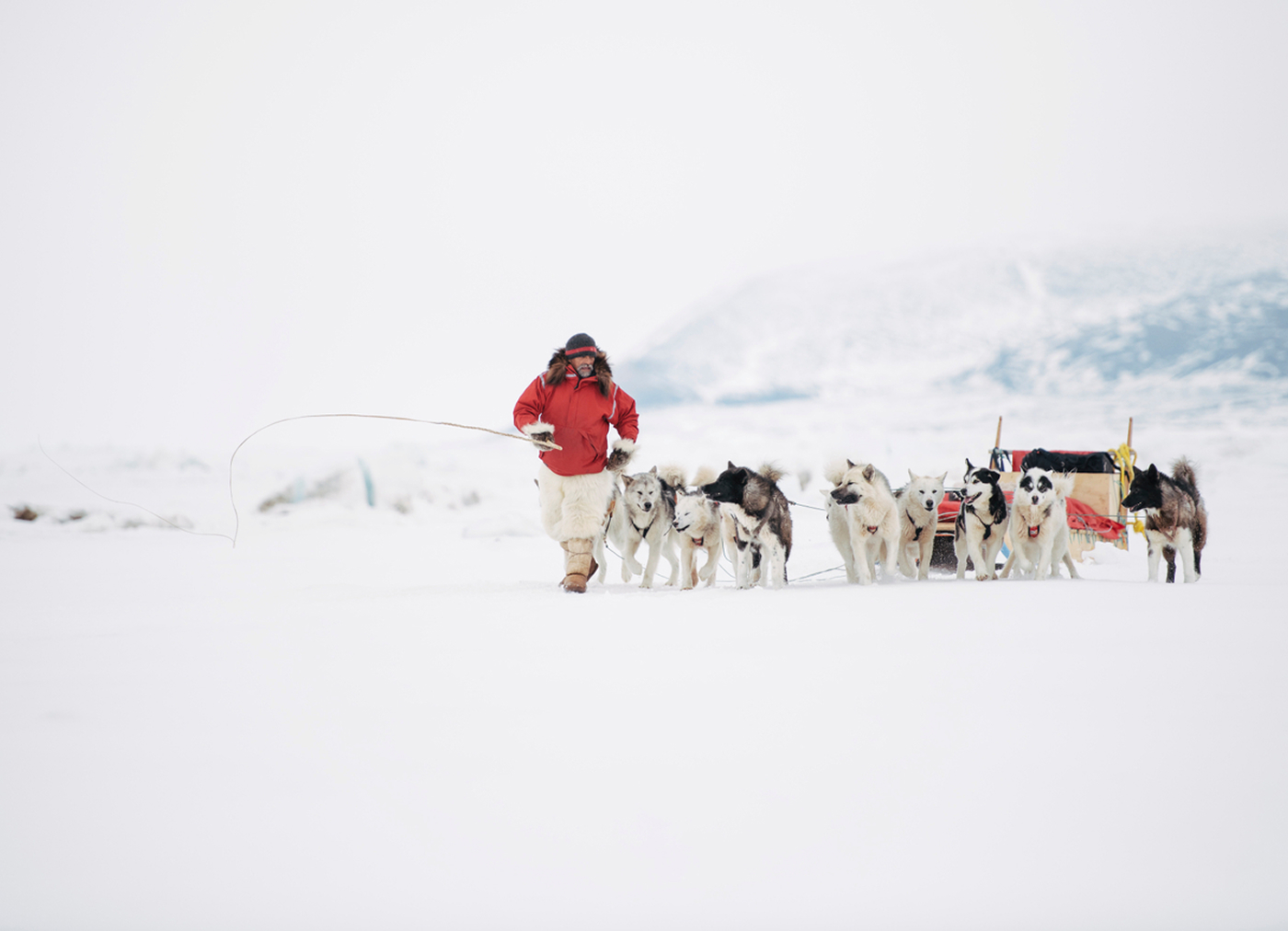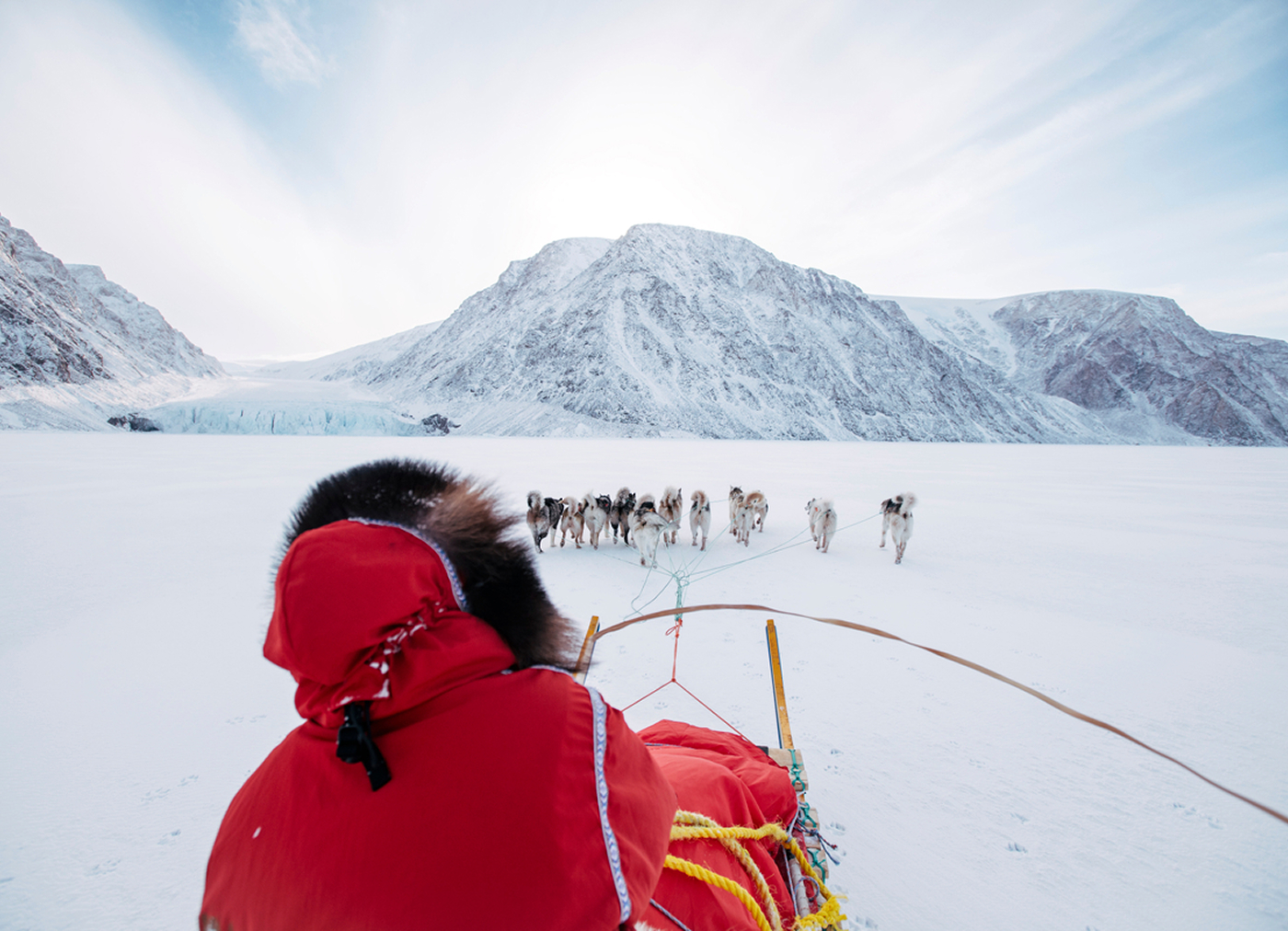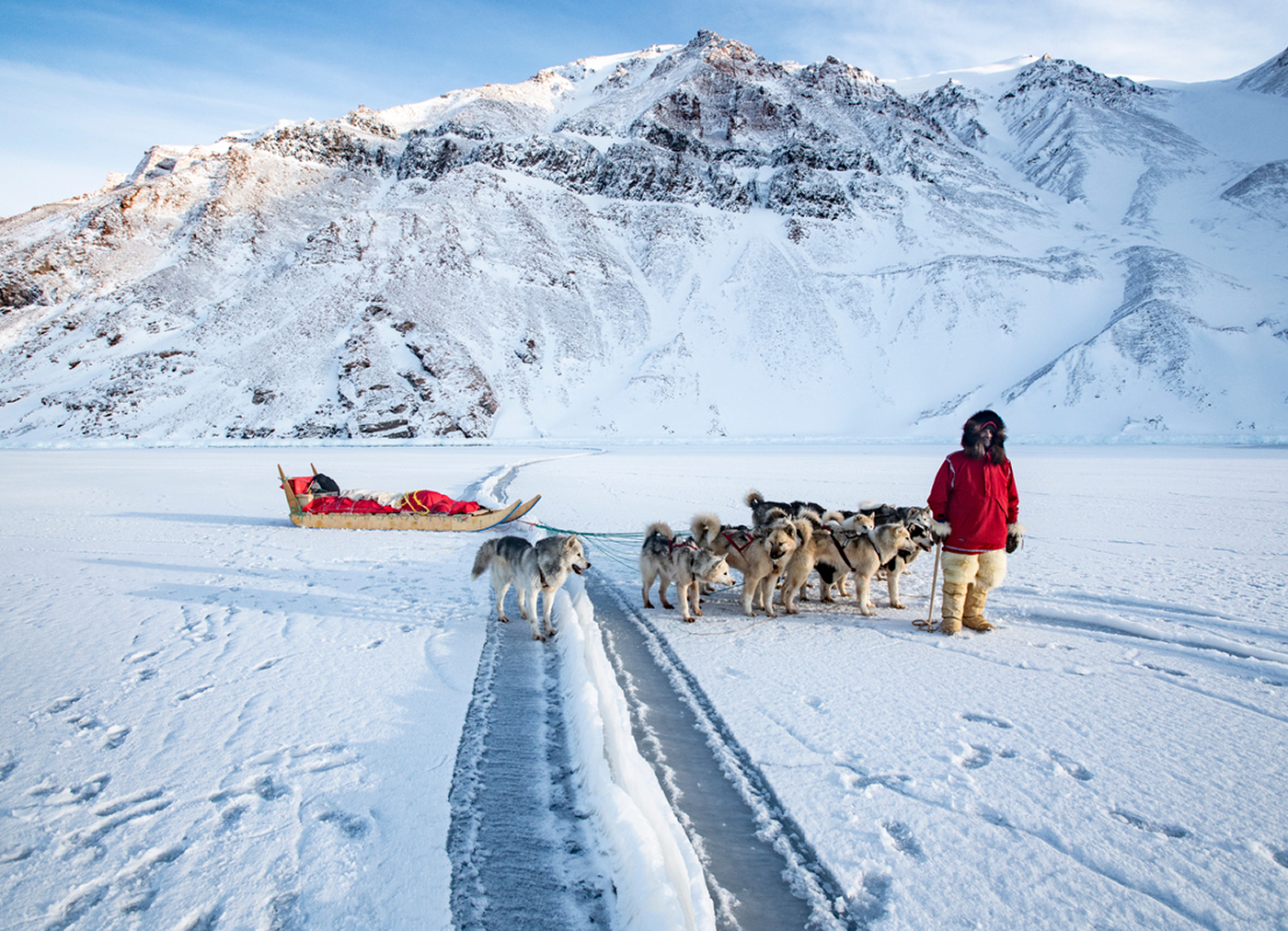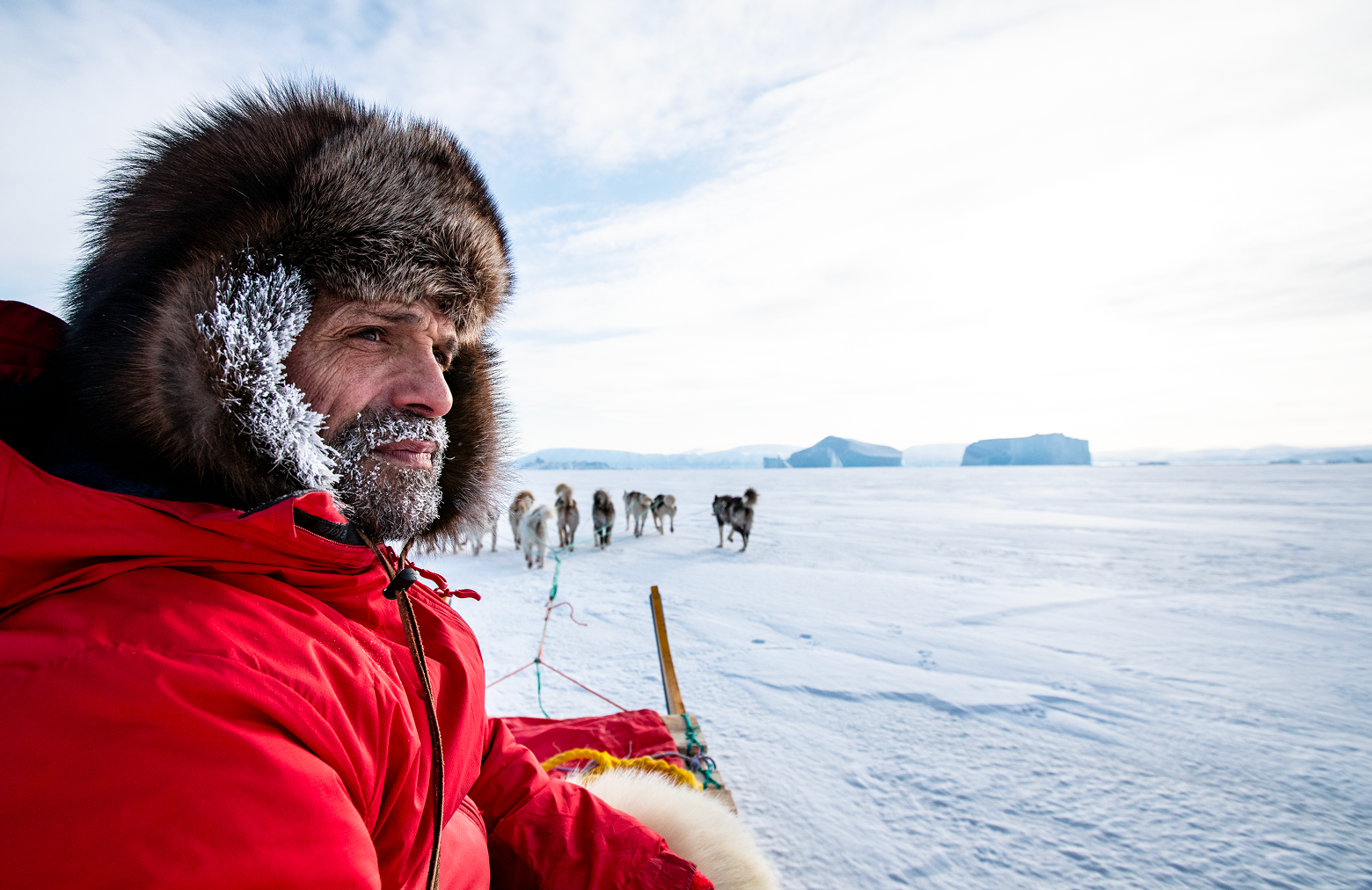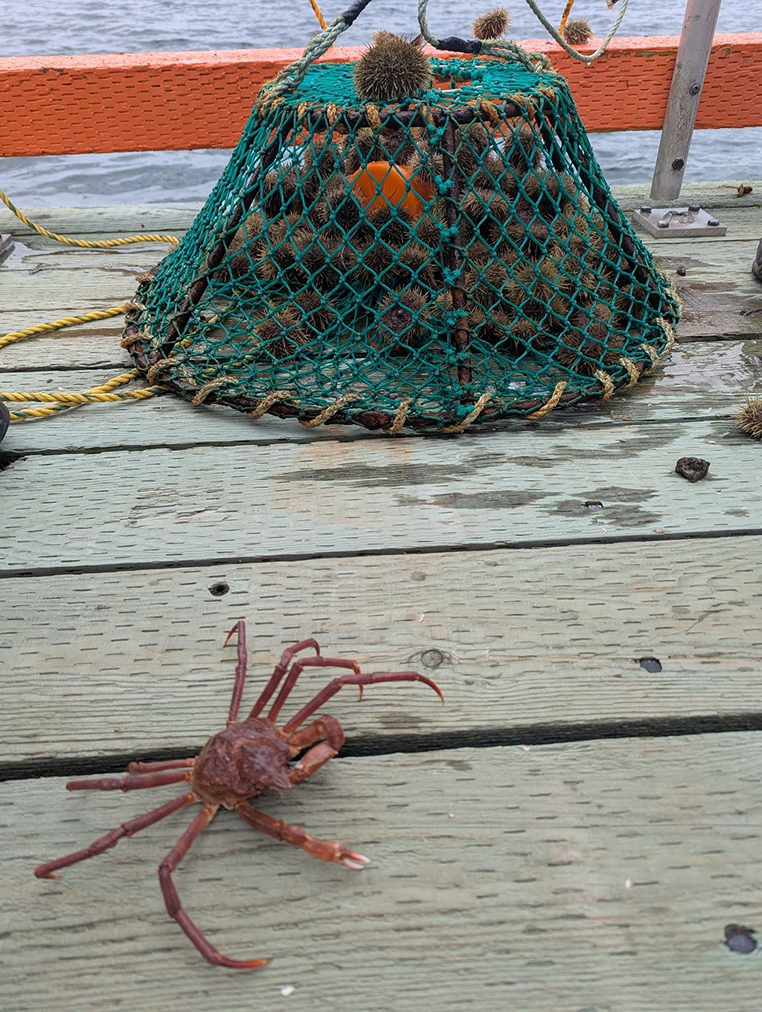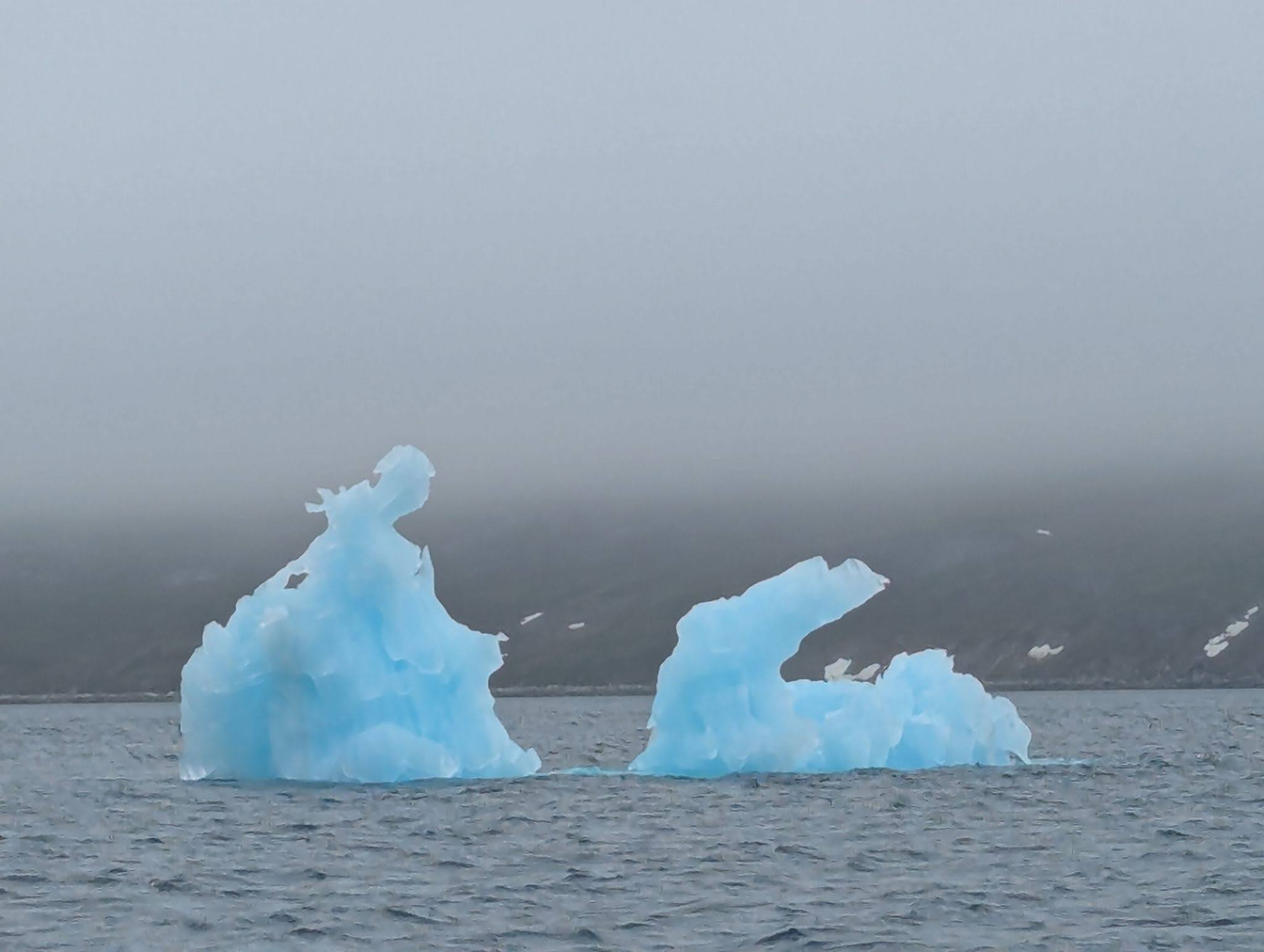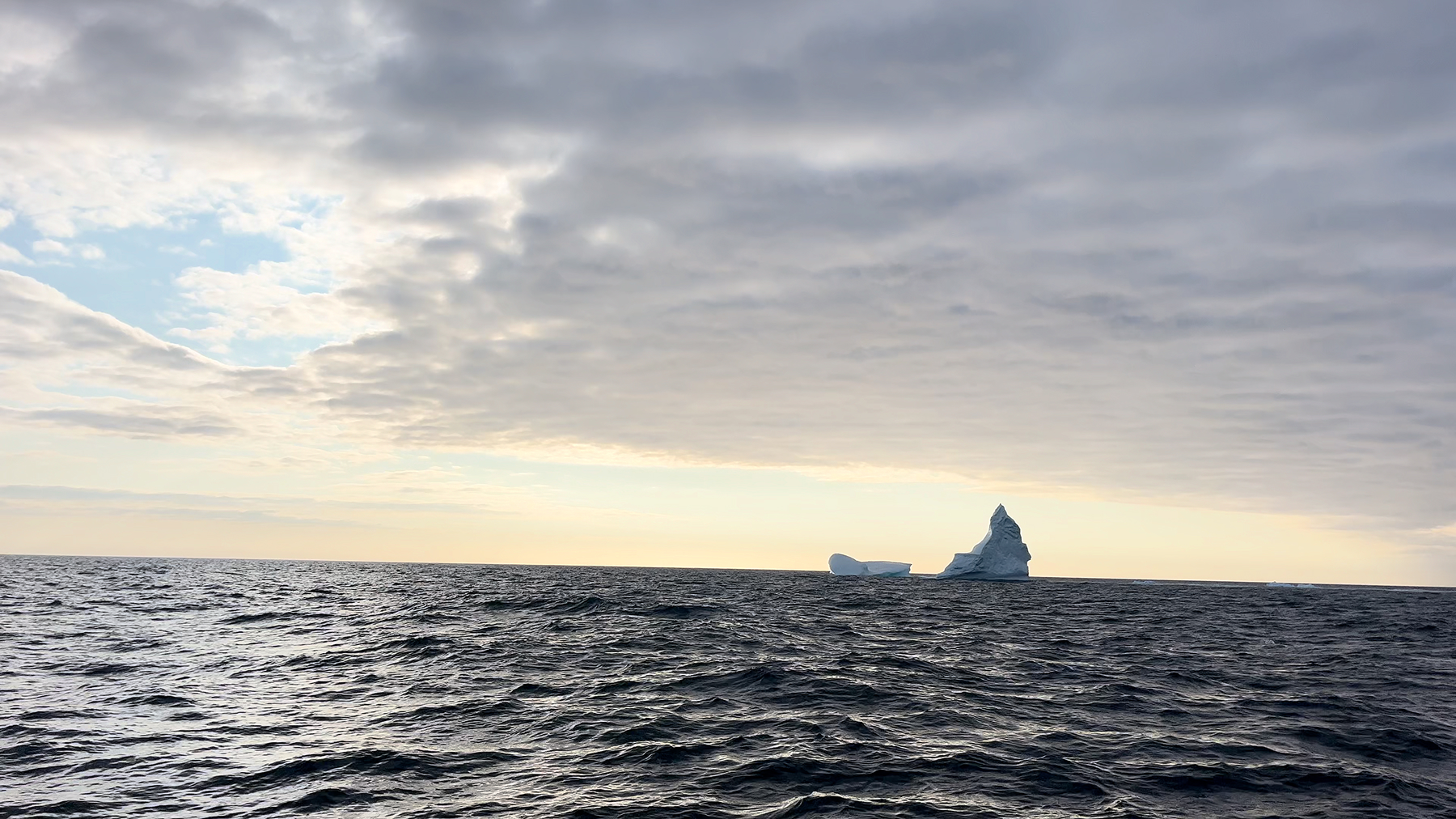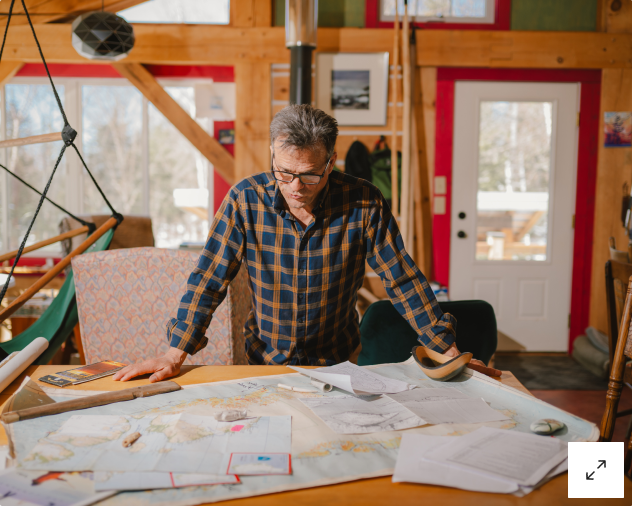

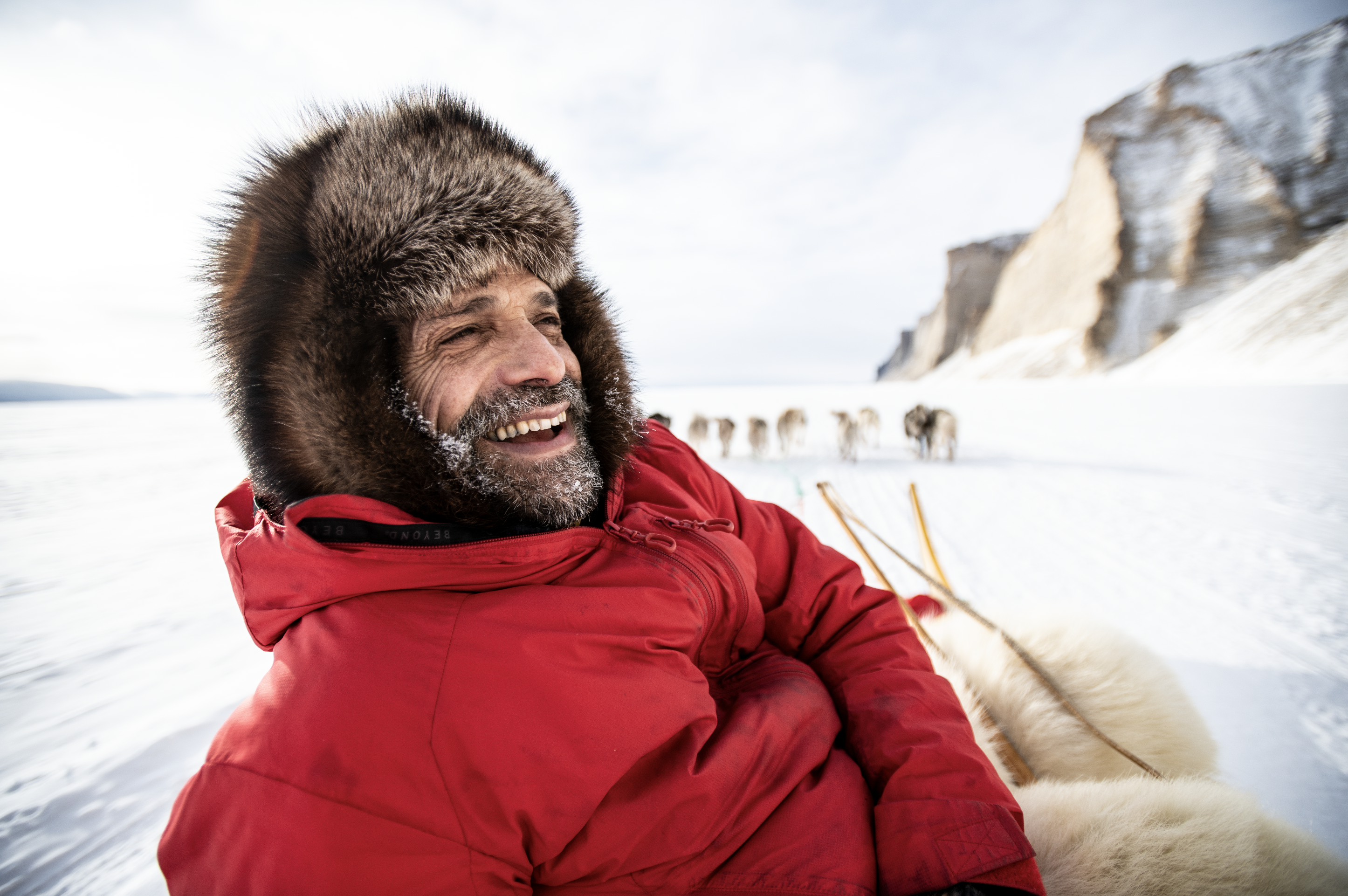
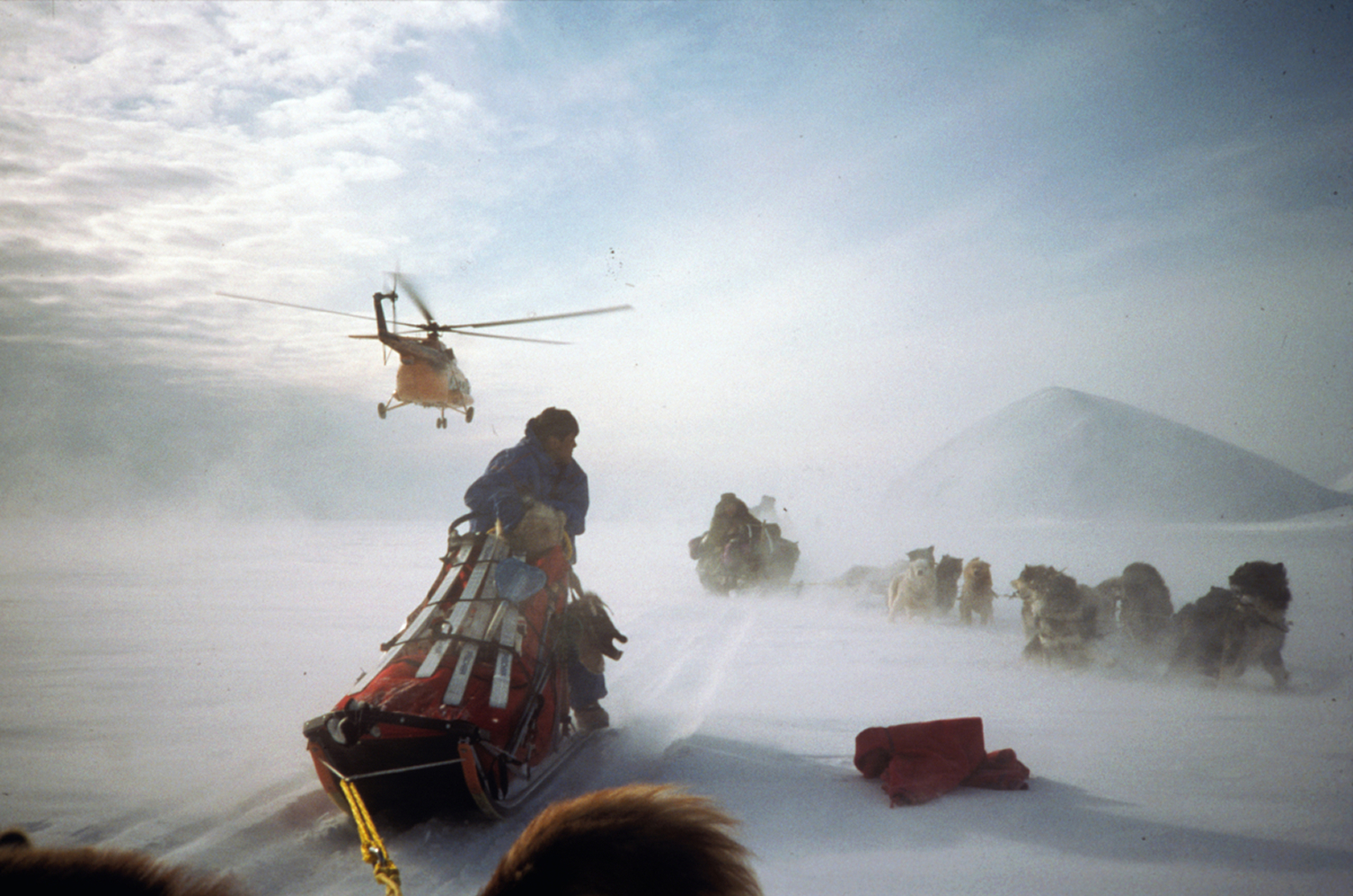
Between 1997 and 2001, Lonnie Dupre and expedition partner John Hoelscher traveled more than 6,500 miles (10,460 km) around Greenland’s remote coastline. Moving only by dog sled and kayak, they followed the rhythms of the Arctic through sea ice, open water, and months of isolation. The journey demanded patience, adaptability, and a deep respect for one of the harshest environments on Earth, values that continue to shape Lonnie’s approach to exploration today.
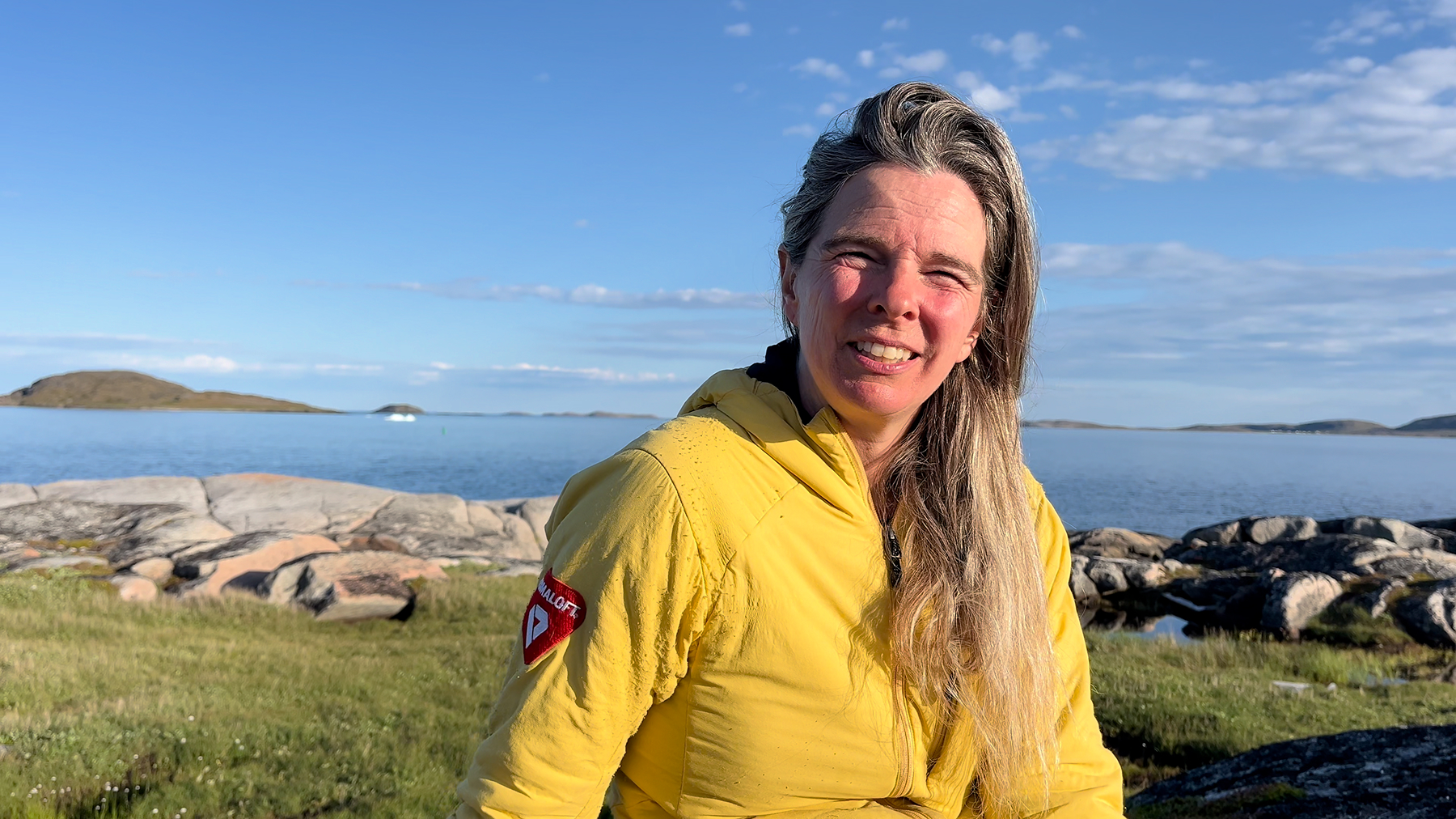
Lonnie Dupre
2014
Grand Marais, MN
Arctic Explorer, Climate Activist
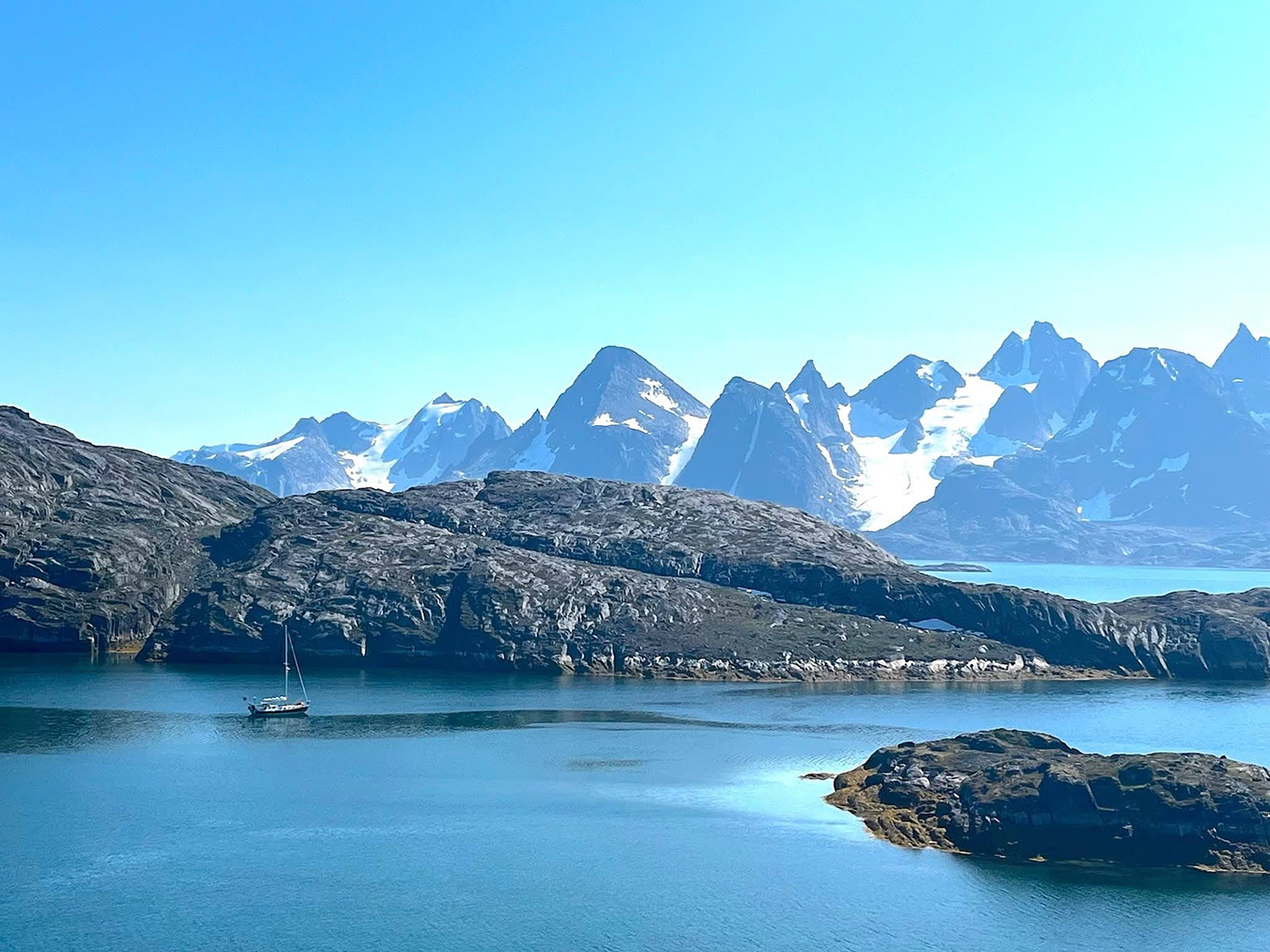
Continuing the Nord Hus journey, with a course set for Northwestern Greenland and Canada’s High Arctic before turning south toward Quebec.
A lifetime shaped by snow and ice
Lonnie’s connection to the Arctic began with curiosity and became a lifelong pursuit. Today, his expeditions continue to highlight both the resilience required to navigate extreme environments and the importance of protecting them. Years of exploration have reinforced a simple reality: in the Arctic, reliable gear is essential for safe travel and exploration.
The long way around Greenland
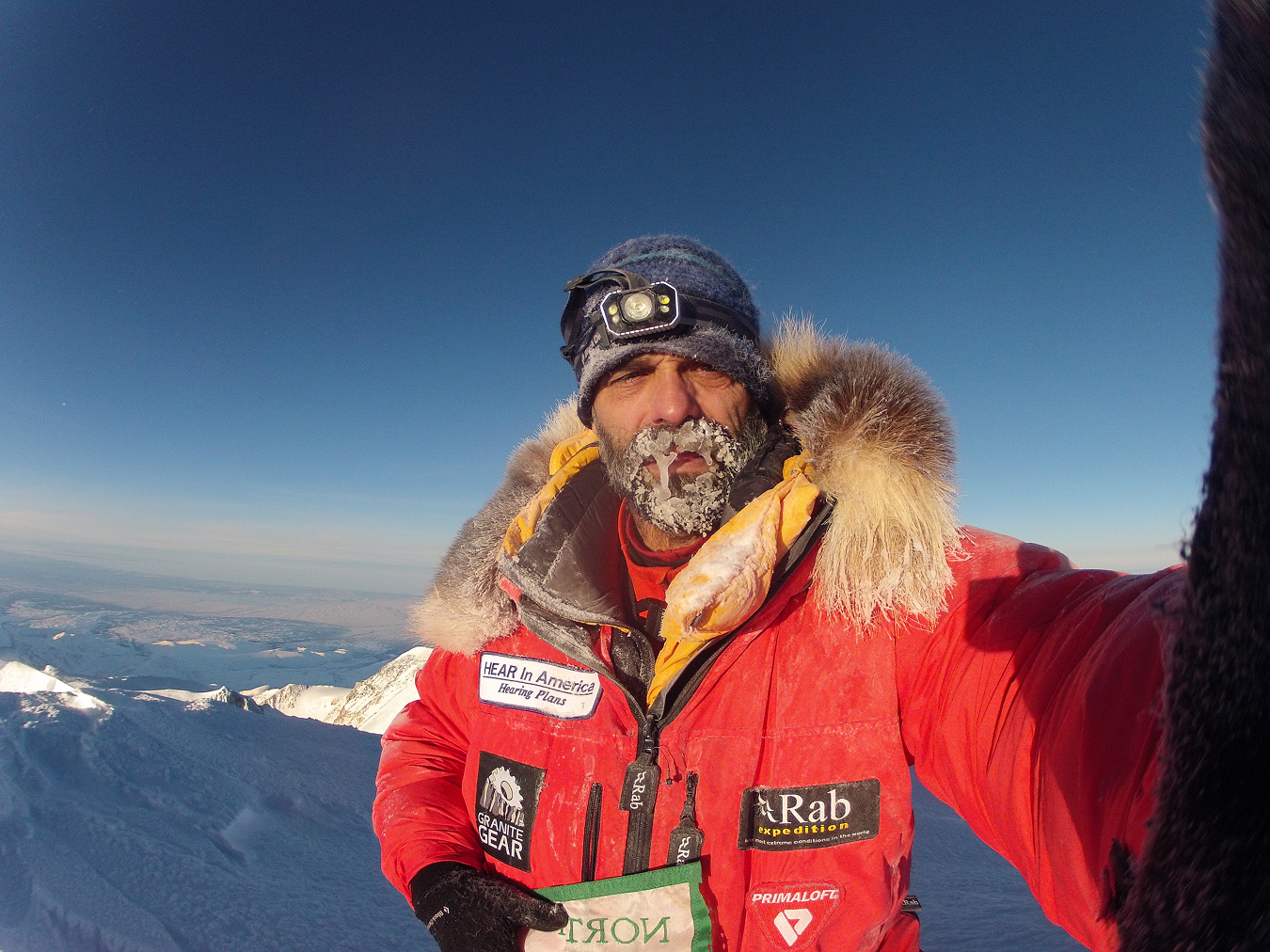
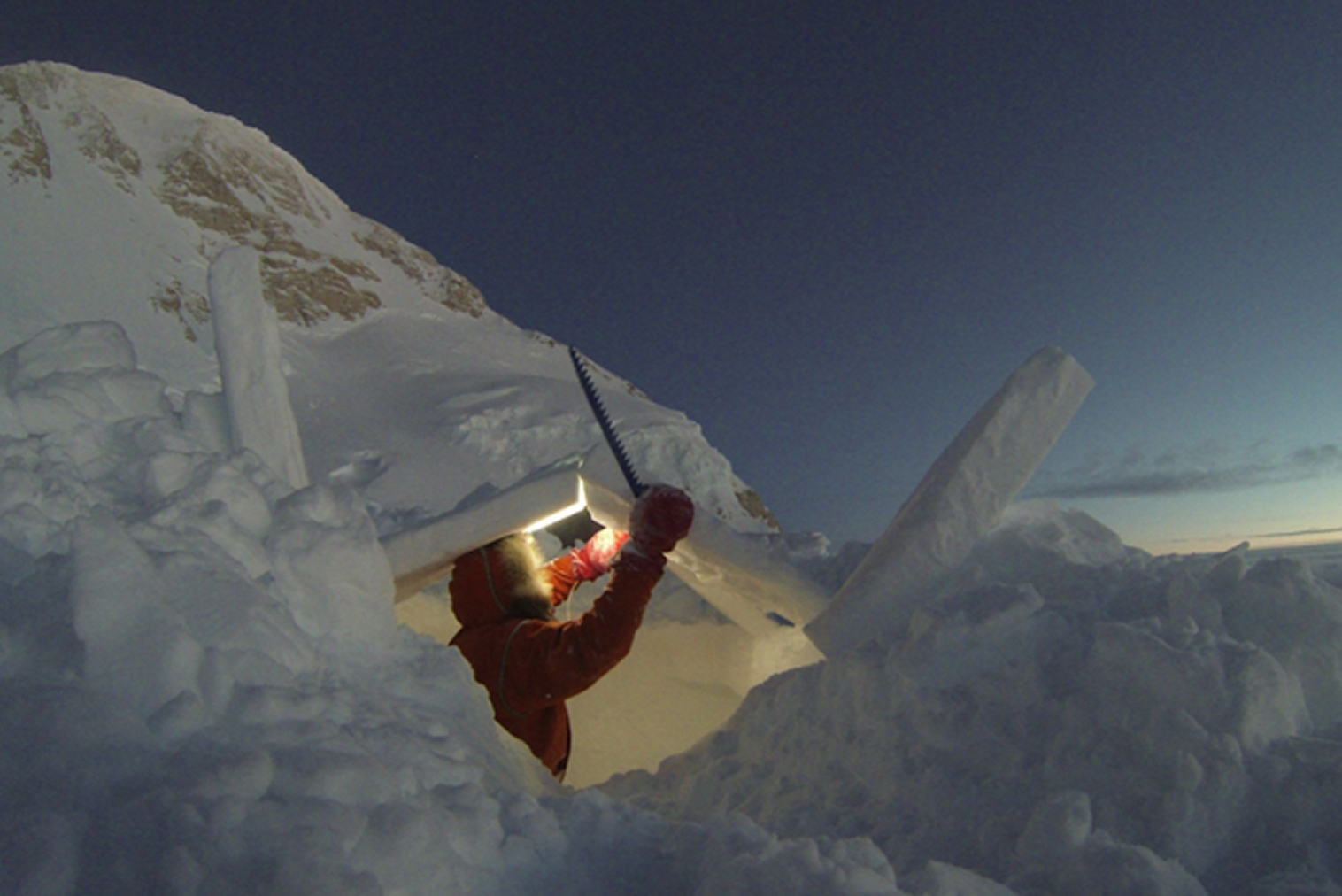
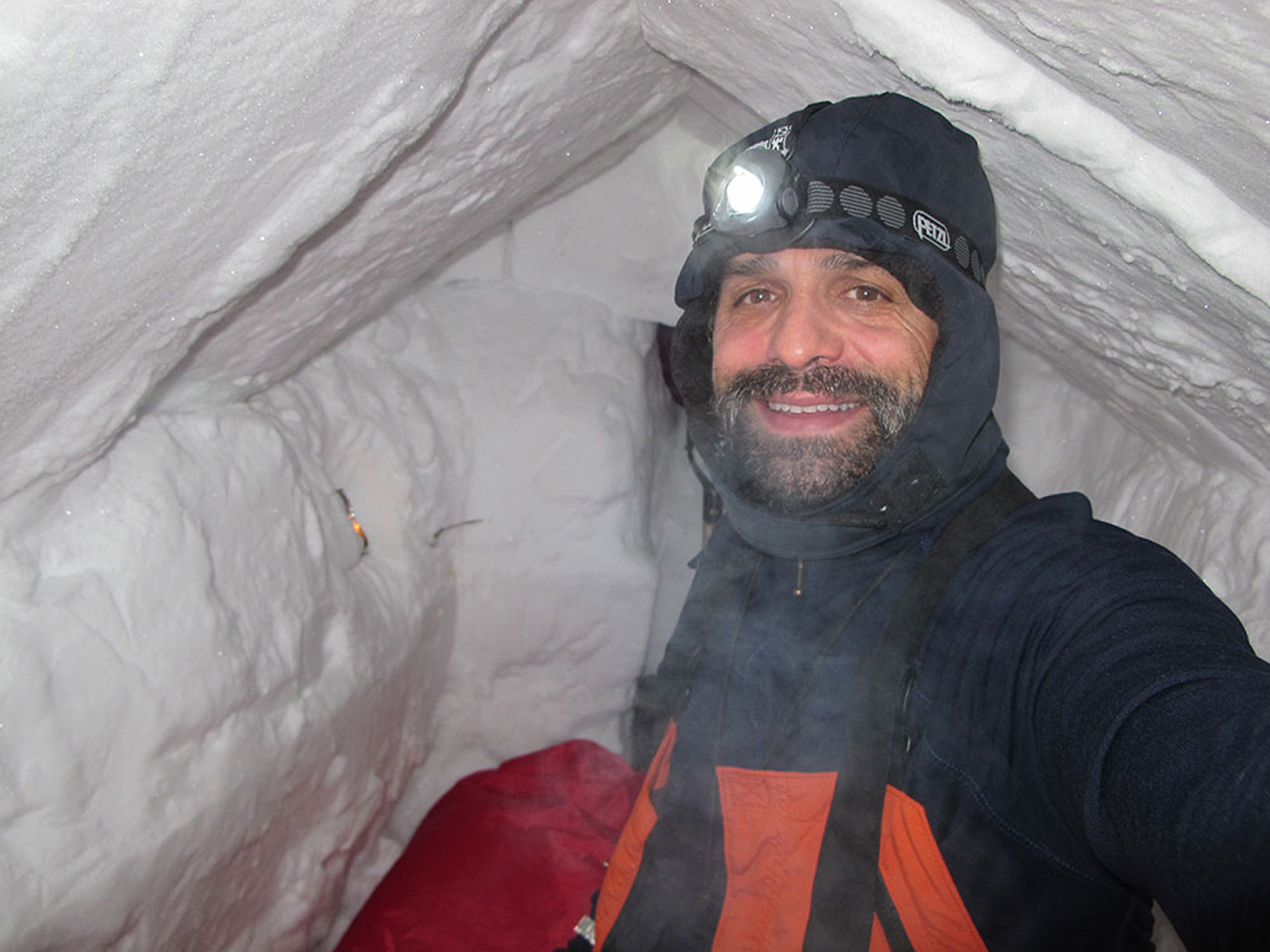
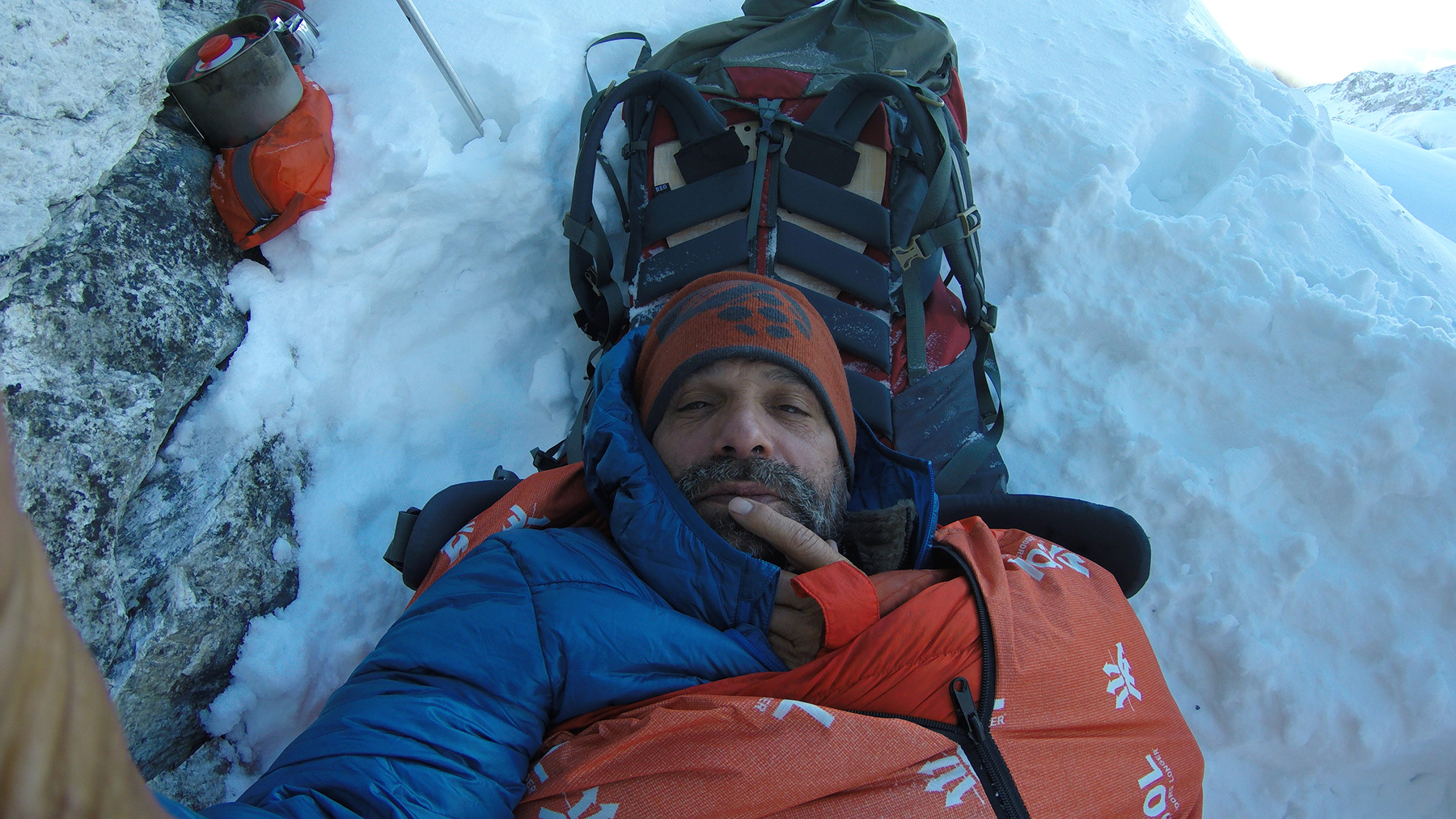
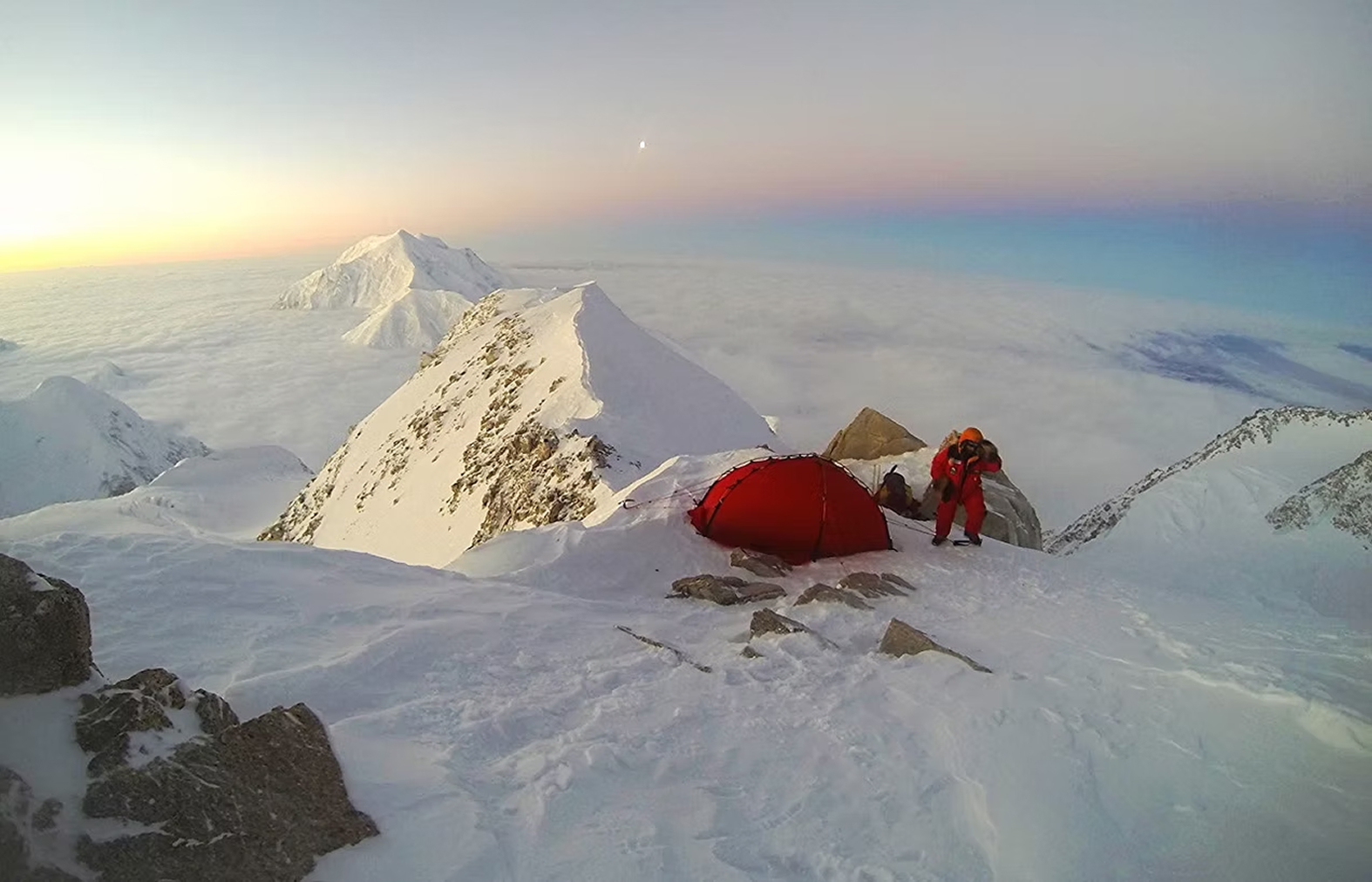
First solo January summit of Denali
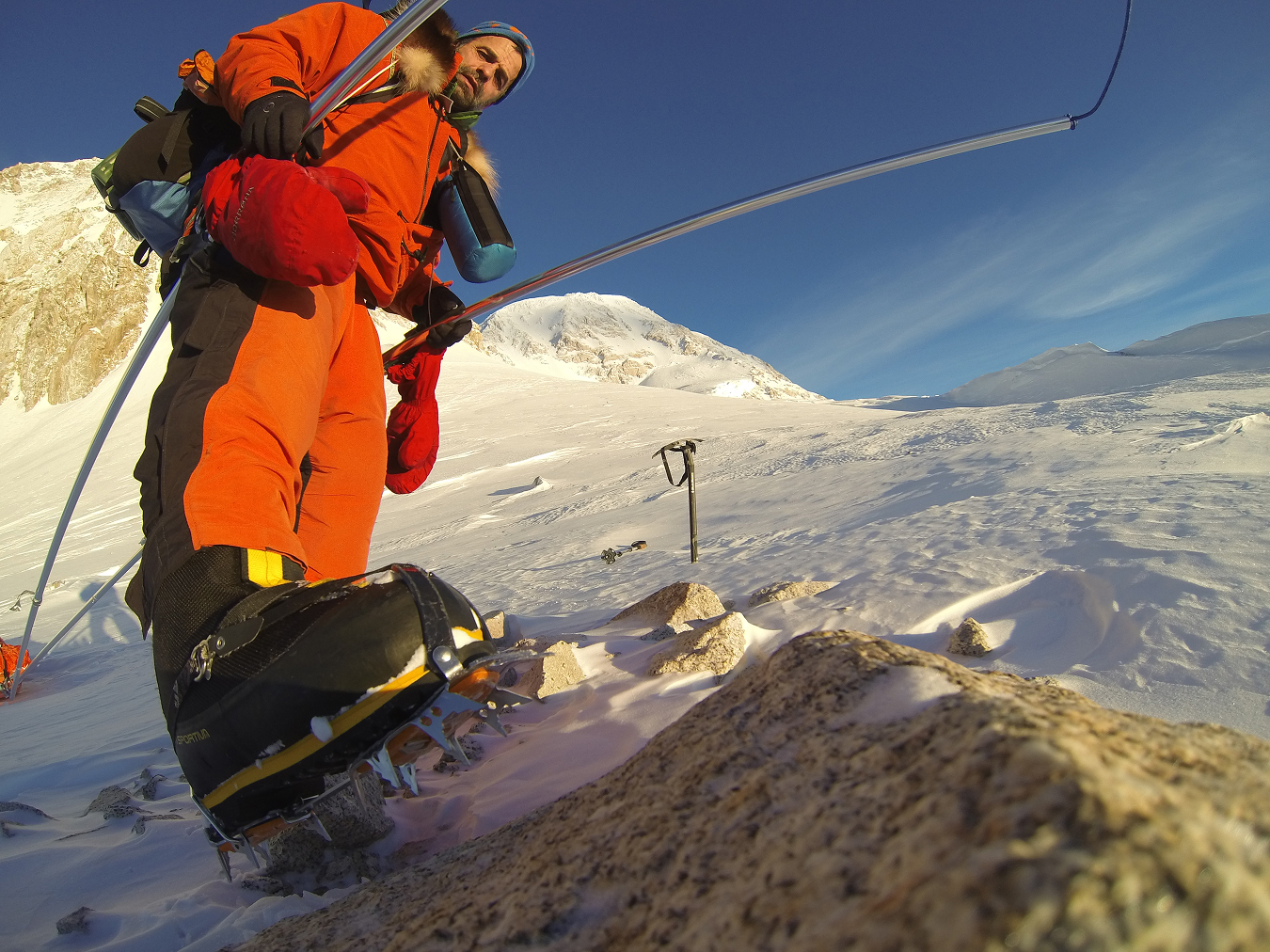
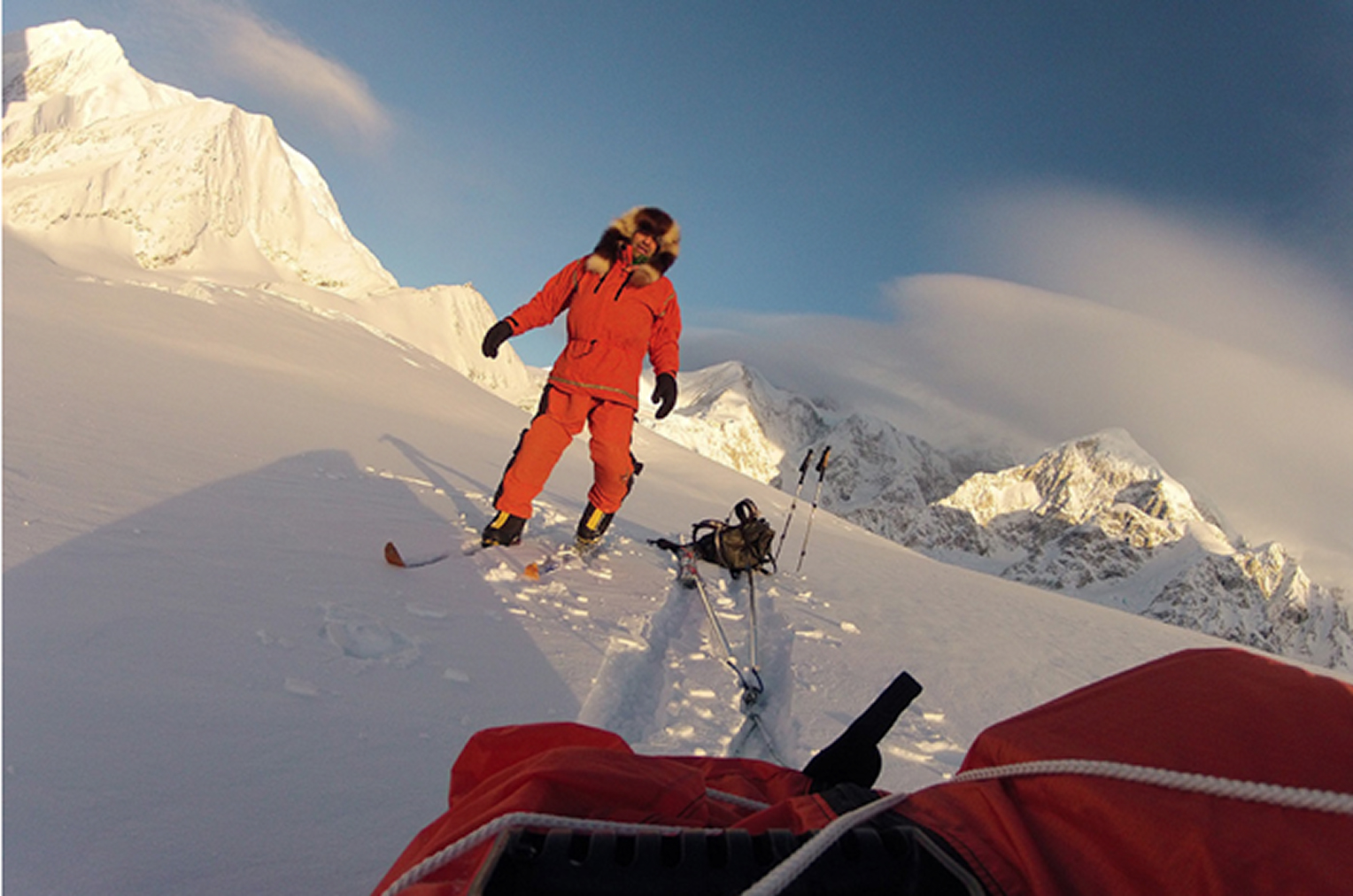
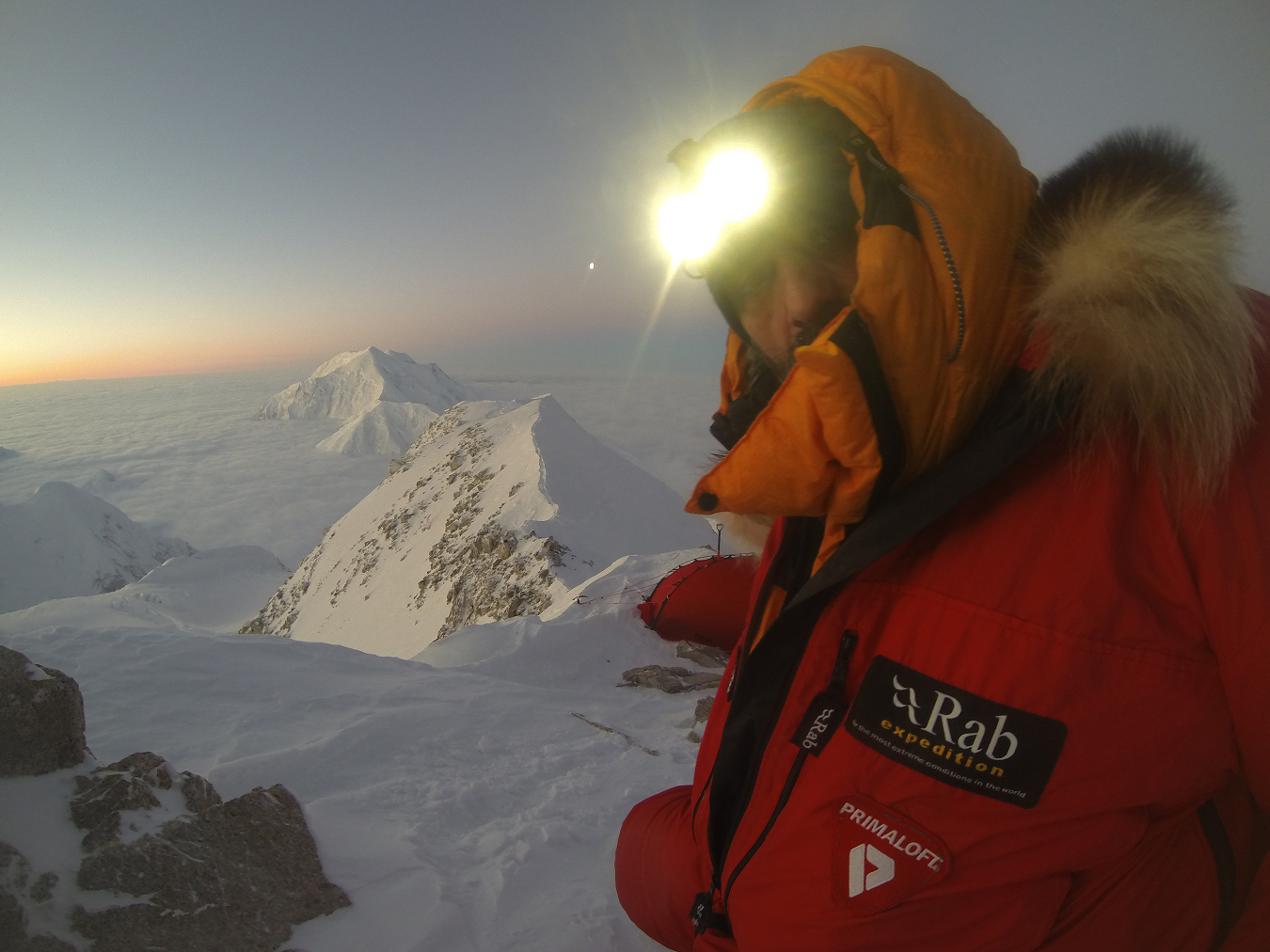
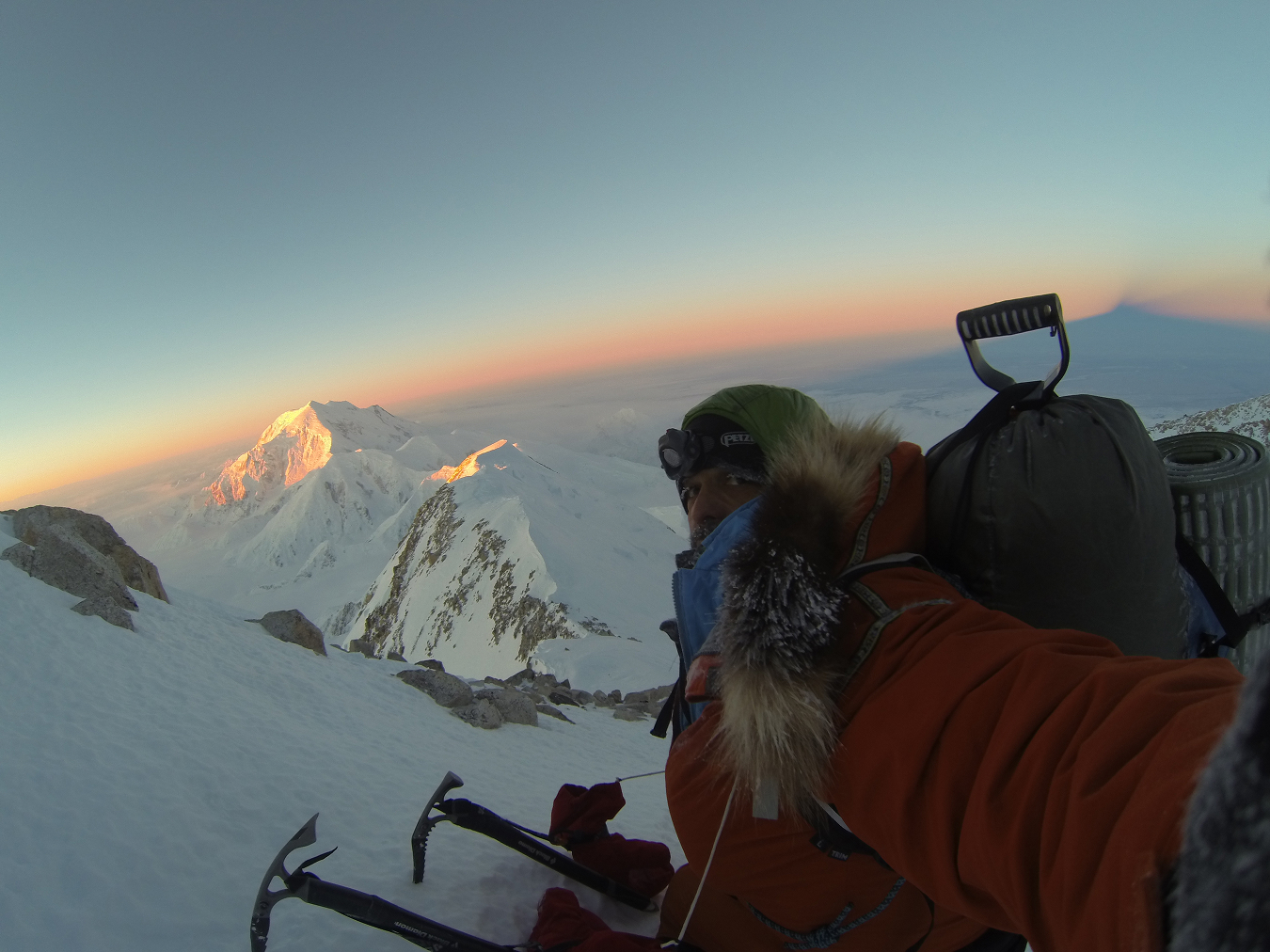
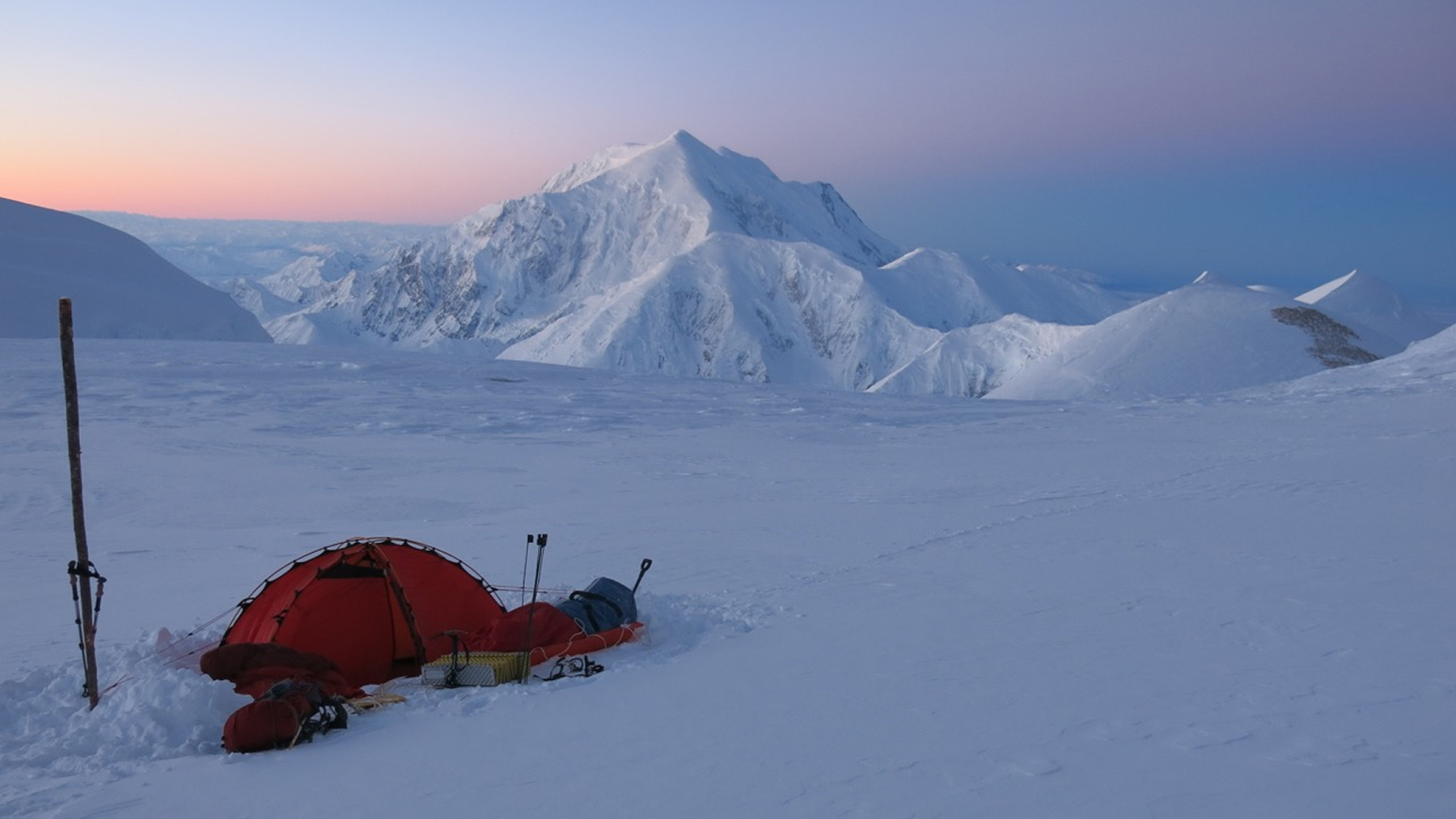
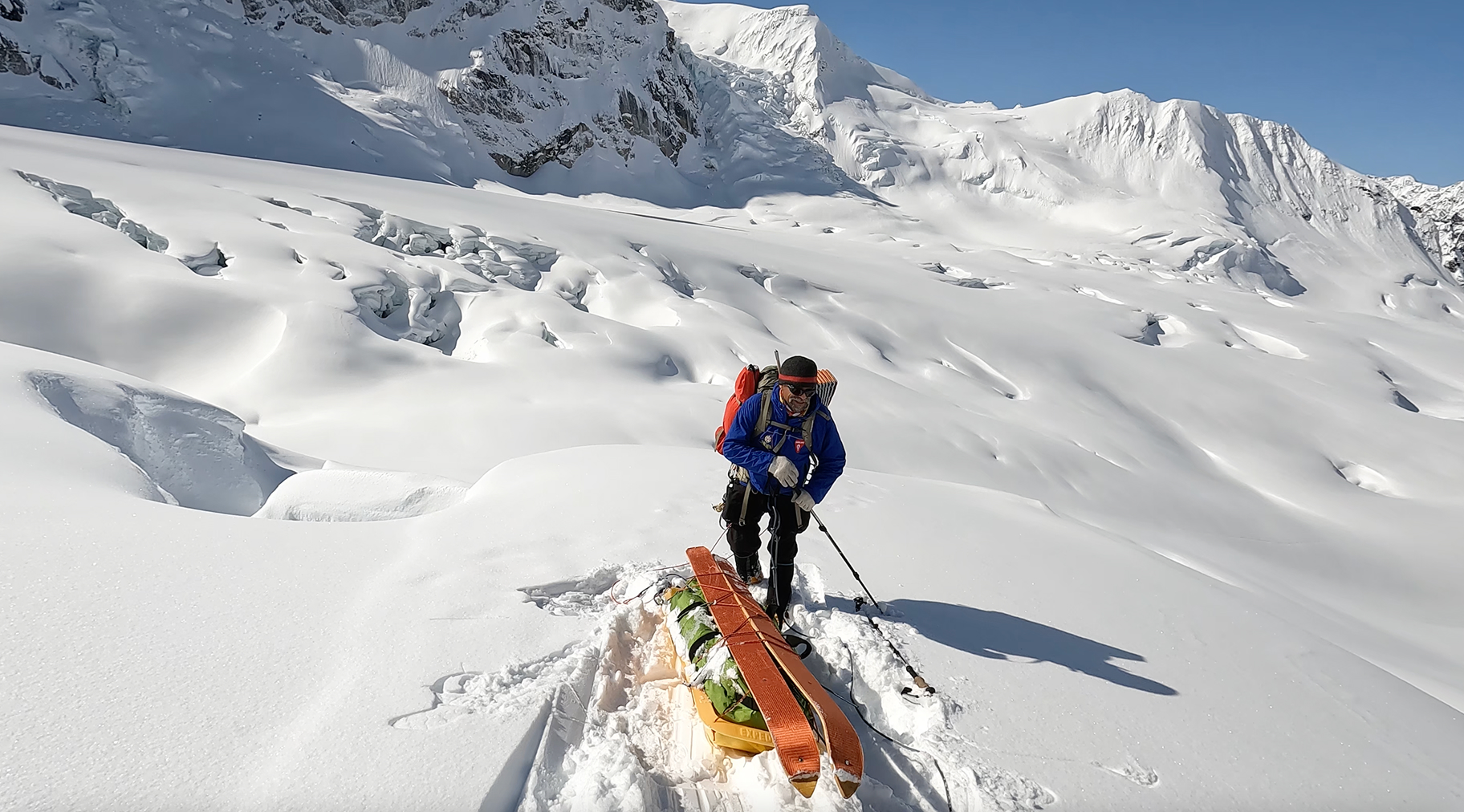
In 2015, Lonnie became the first person to summit Denali alone during the month of January. At 20,310 ft (6,190 m), North America’s highest peak is known for extreme winter conditions, including temperatures below -60°F and winds exceeding 100 mph. The historic ascent demonstrated extraordinary resilience and determination.
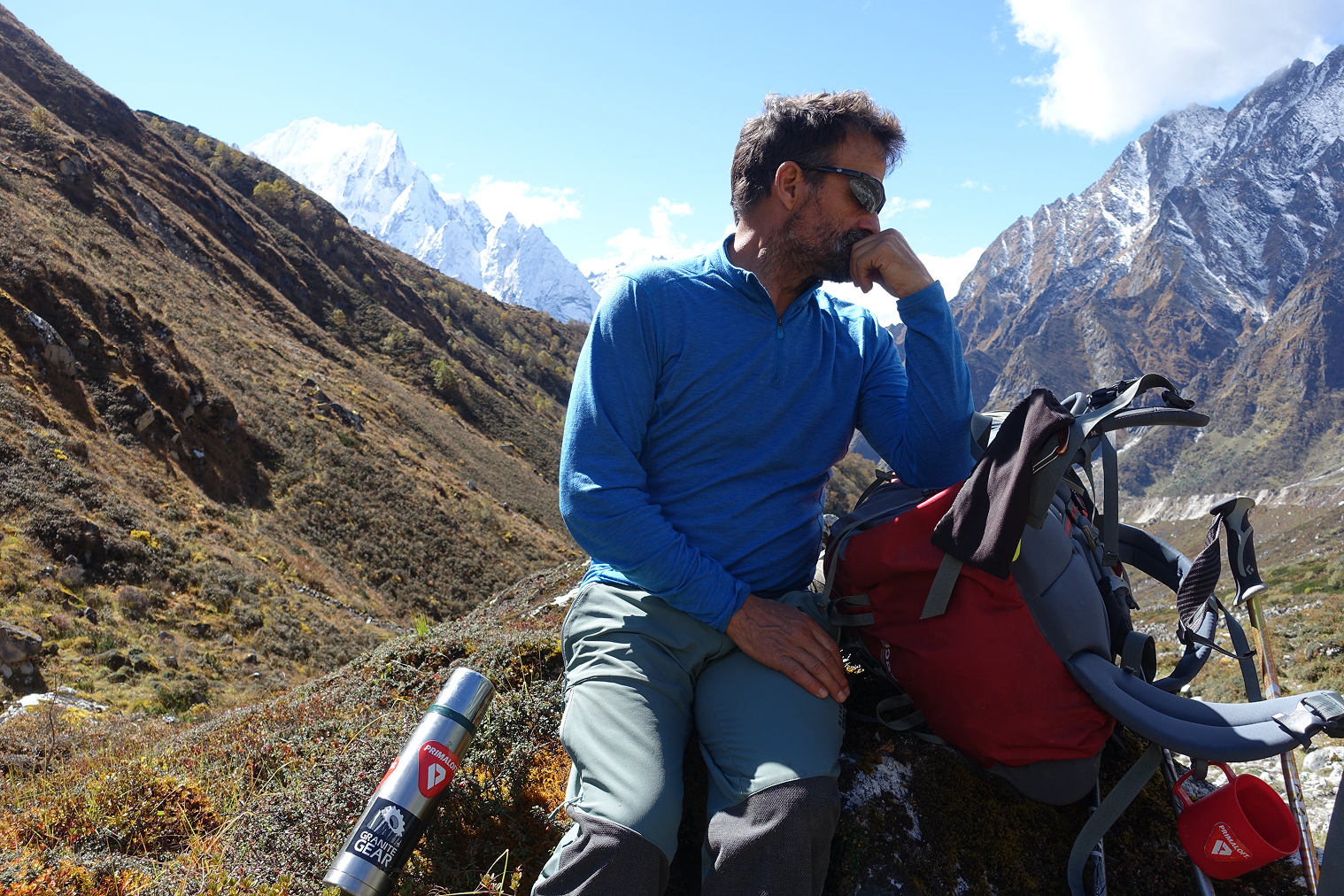
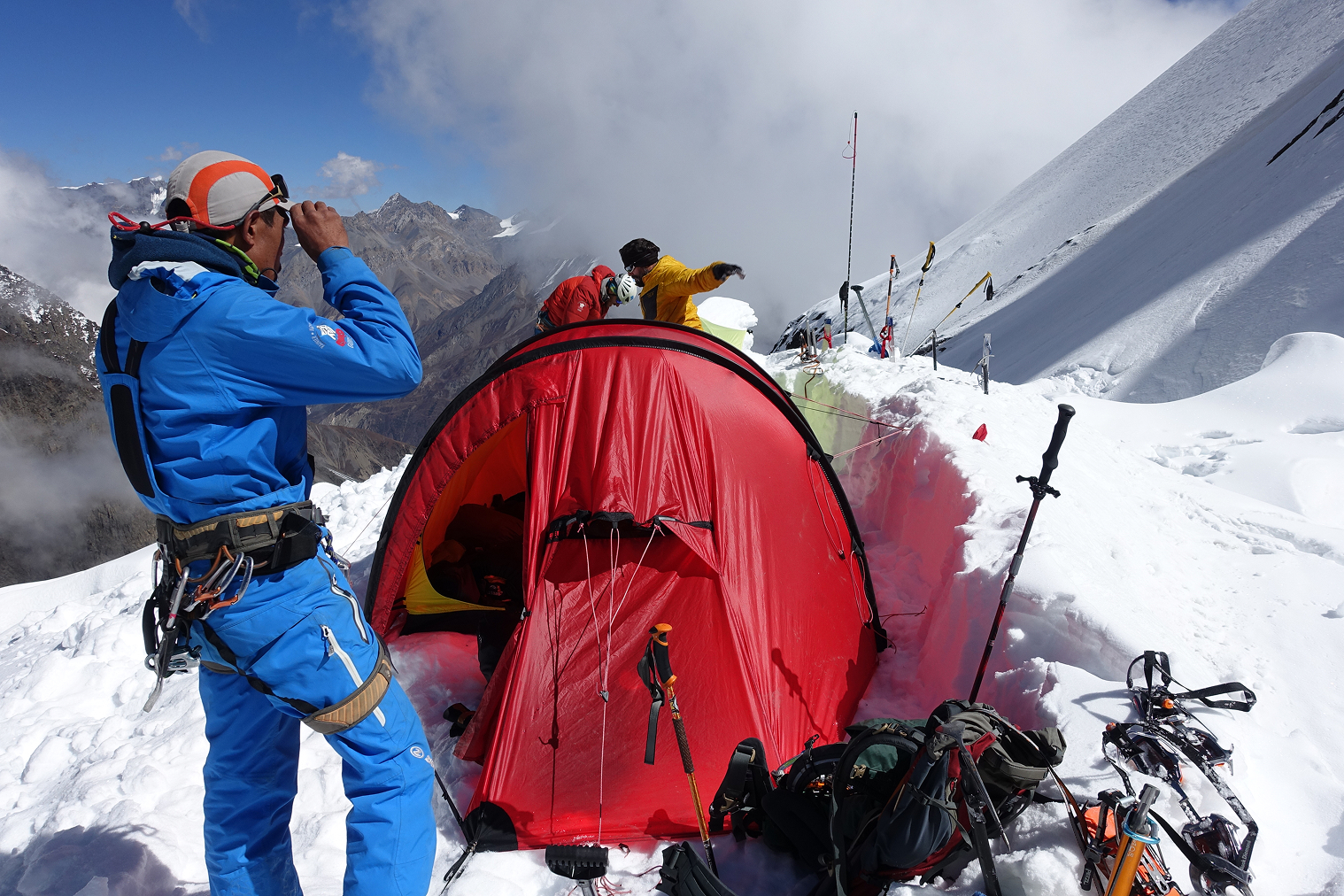
From Nepal's southern plains to the high Himalaya
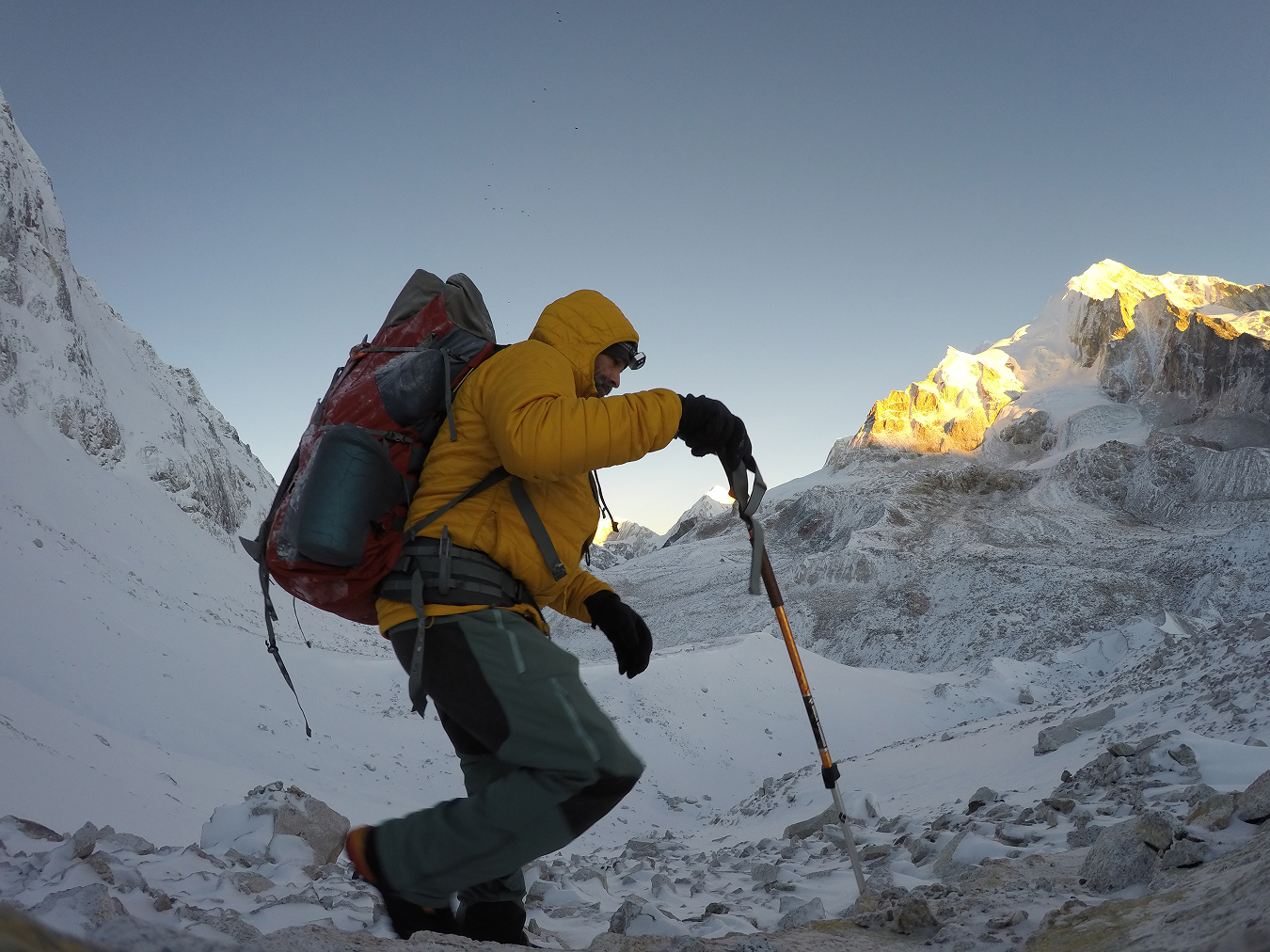
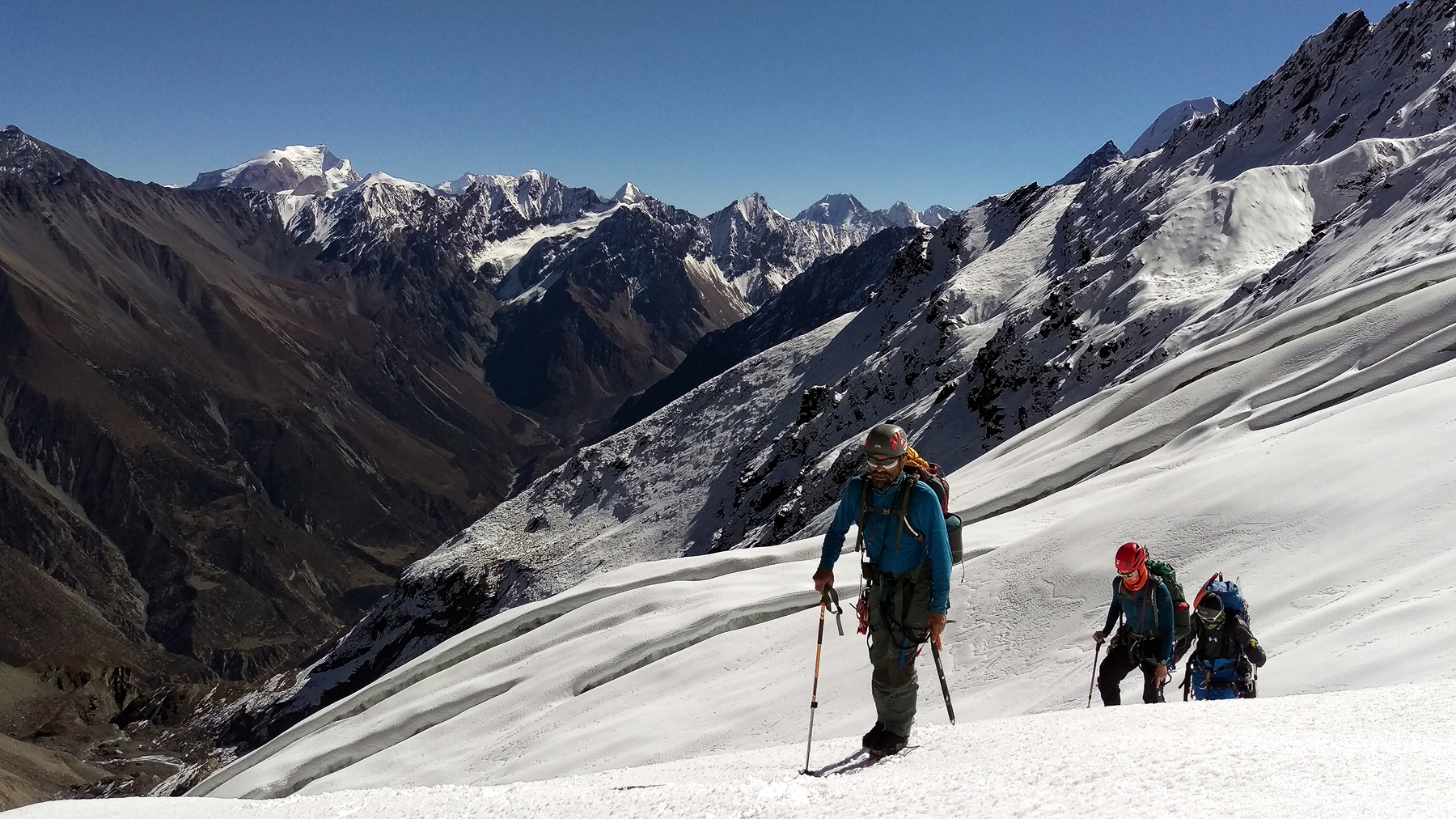
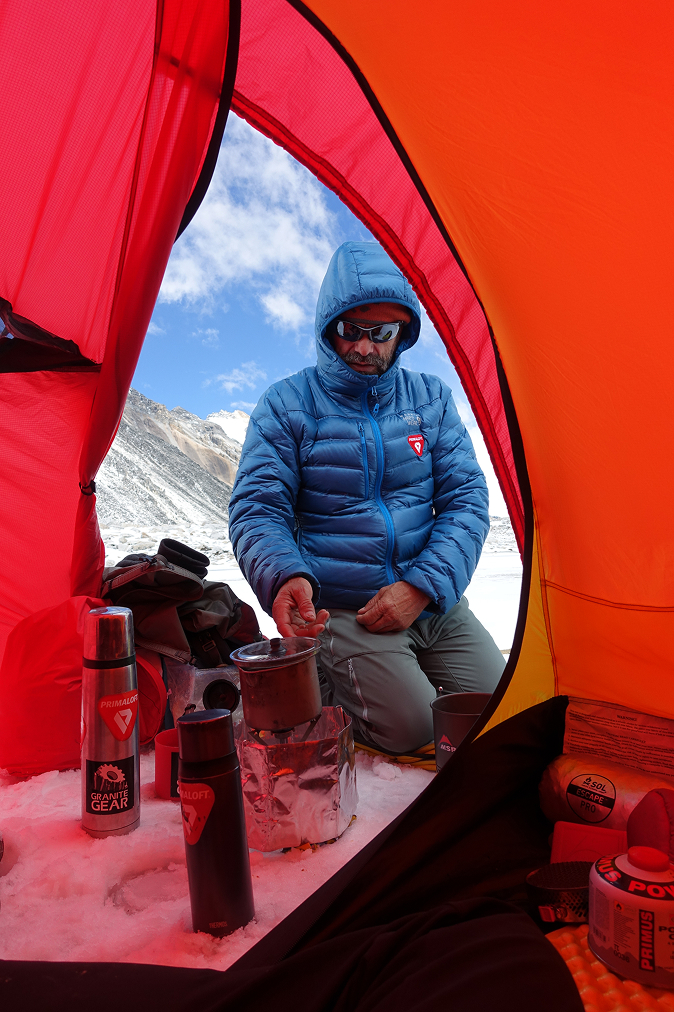
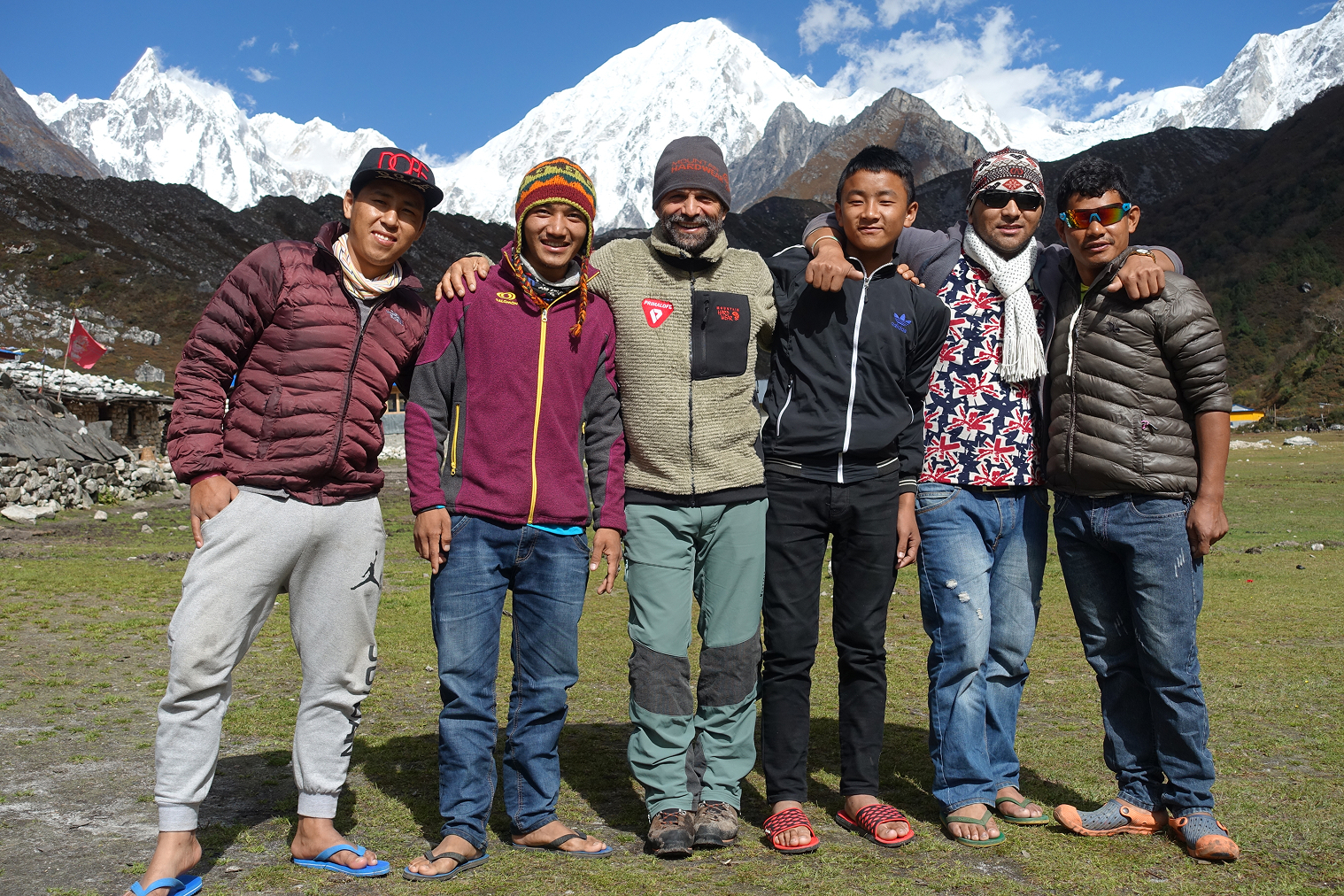
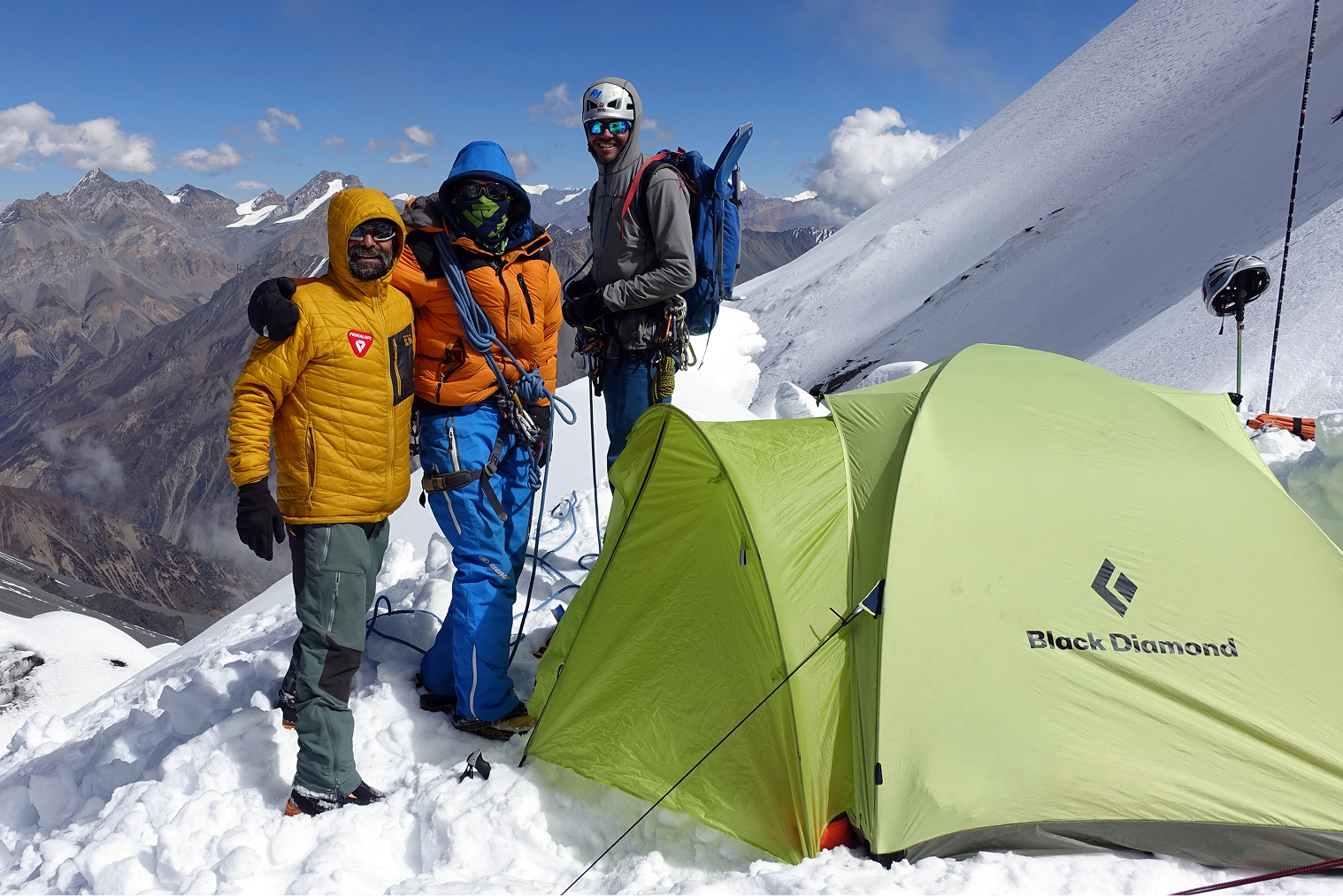
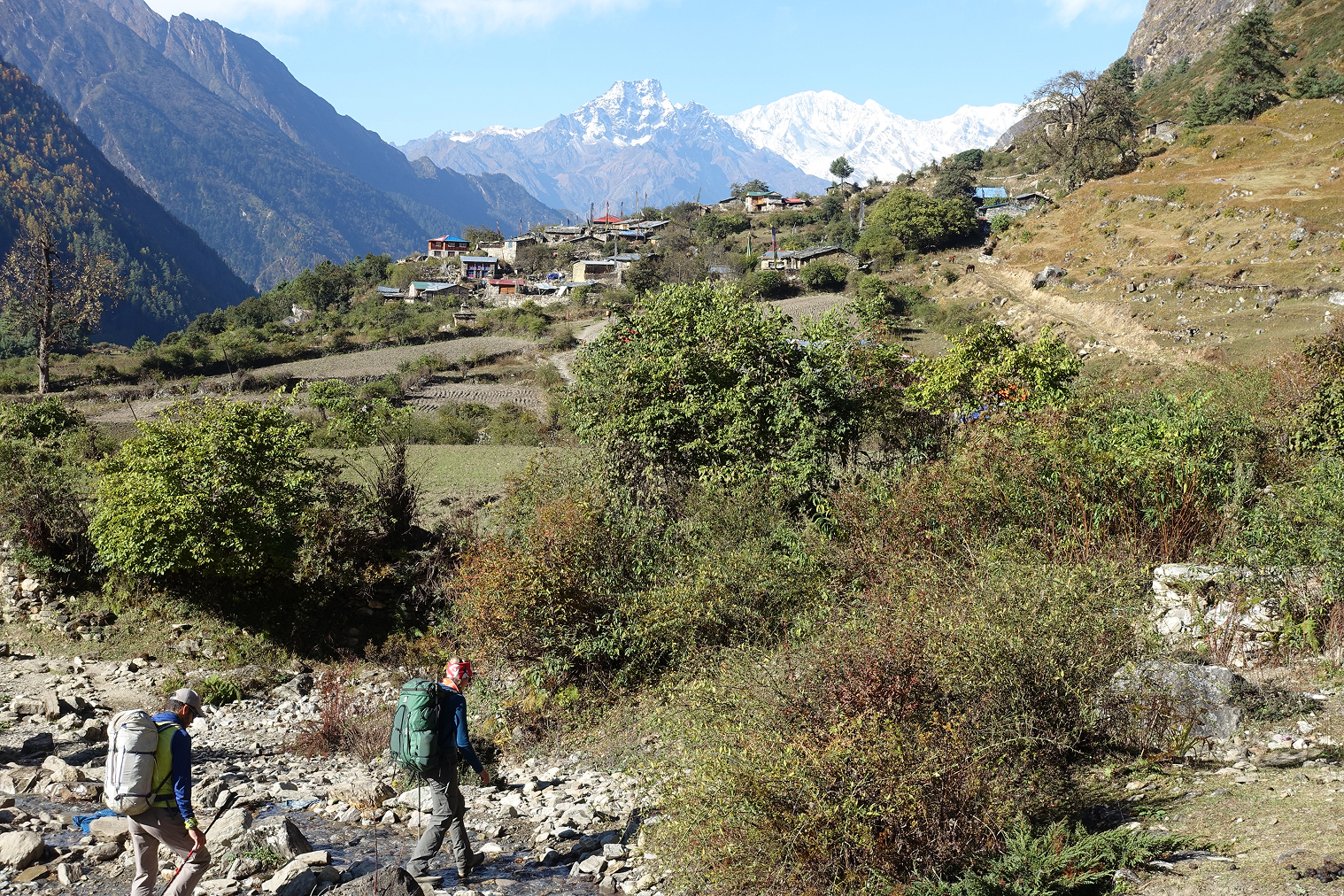
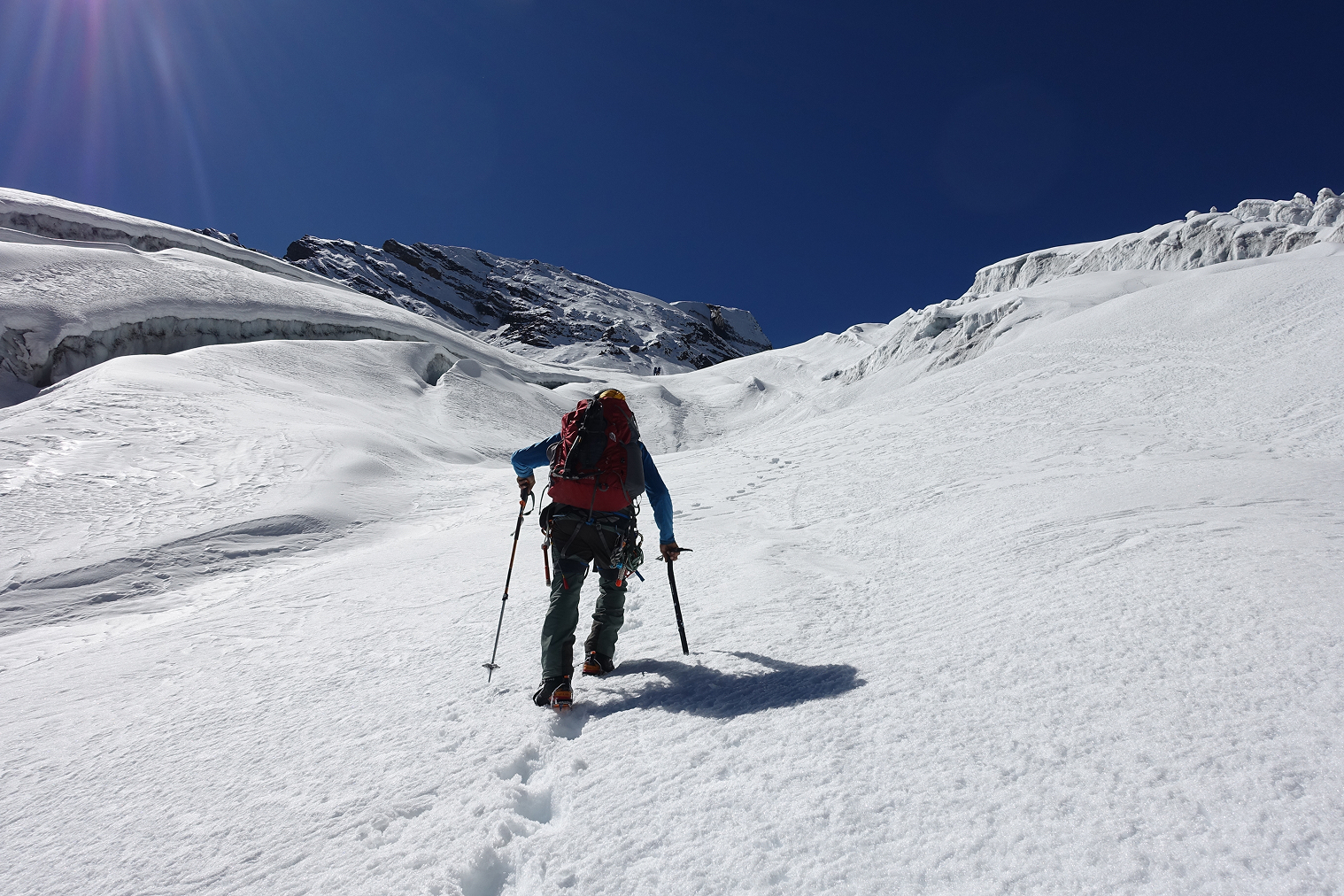
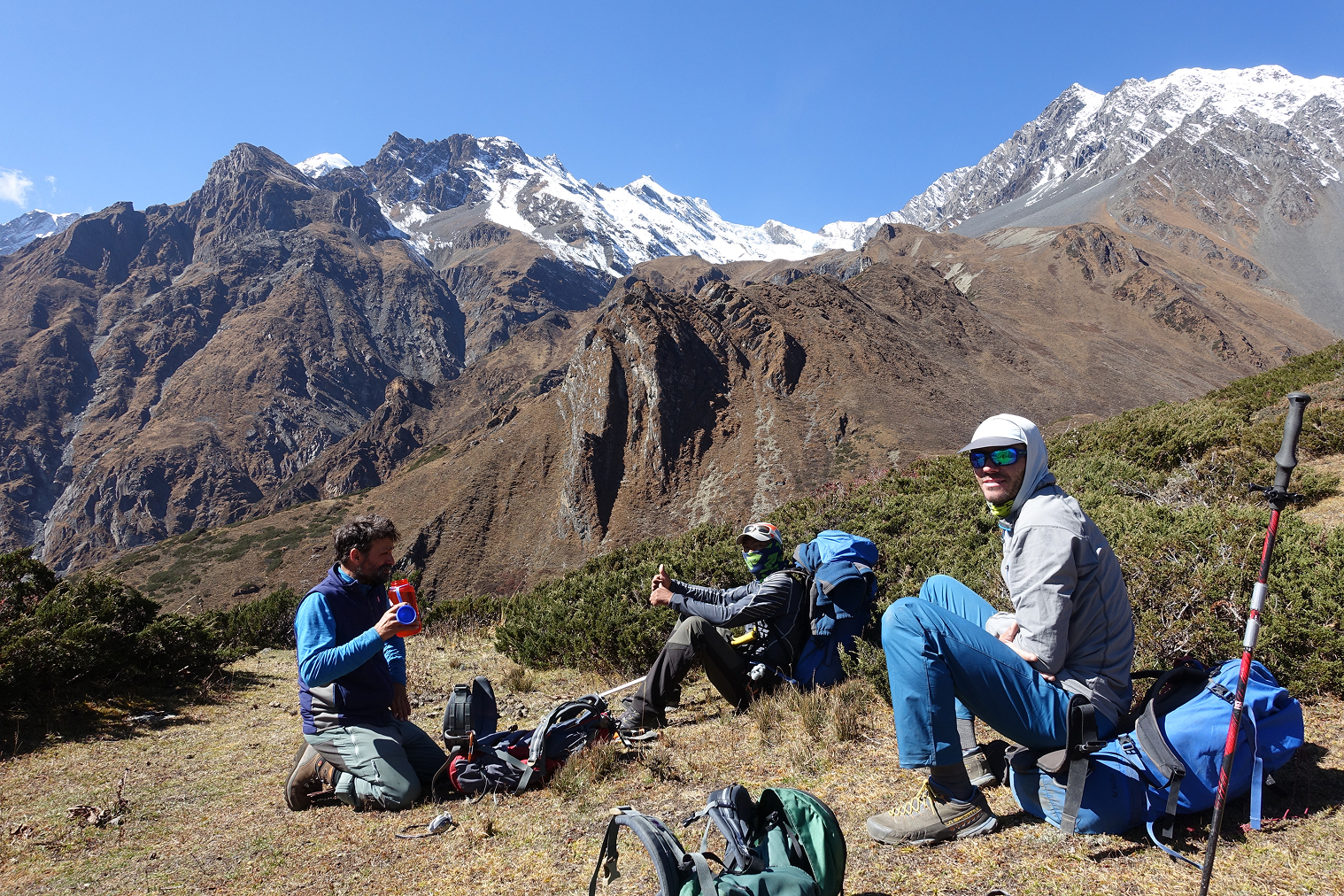
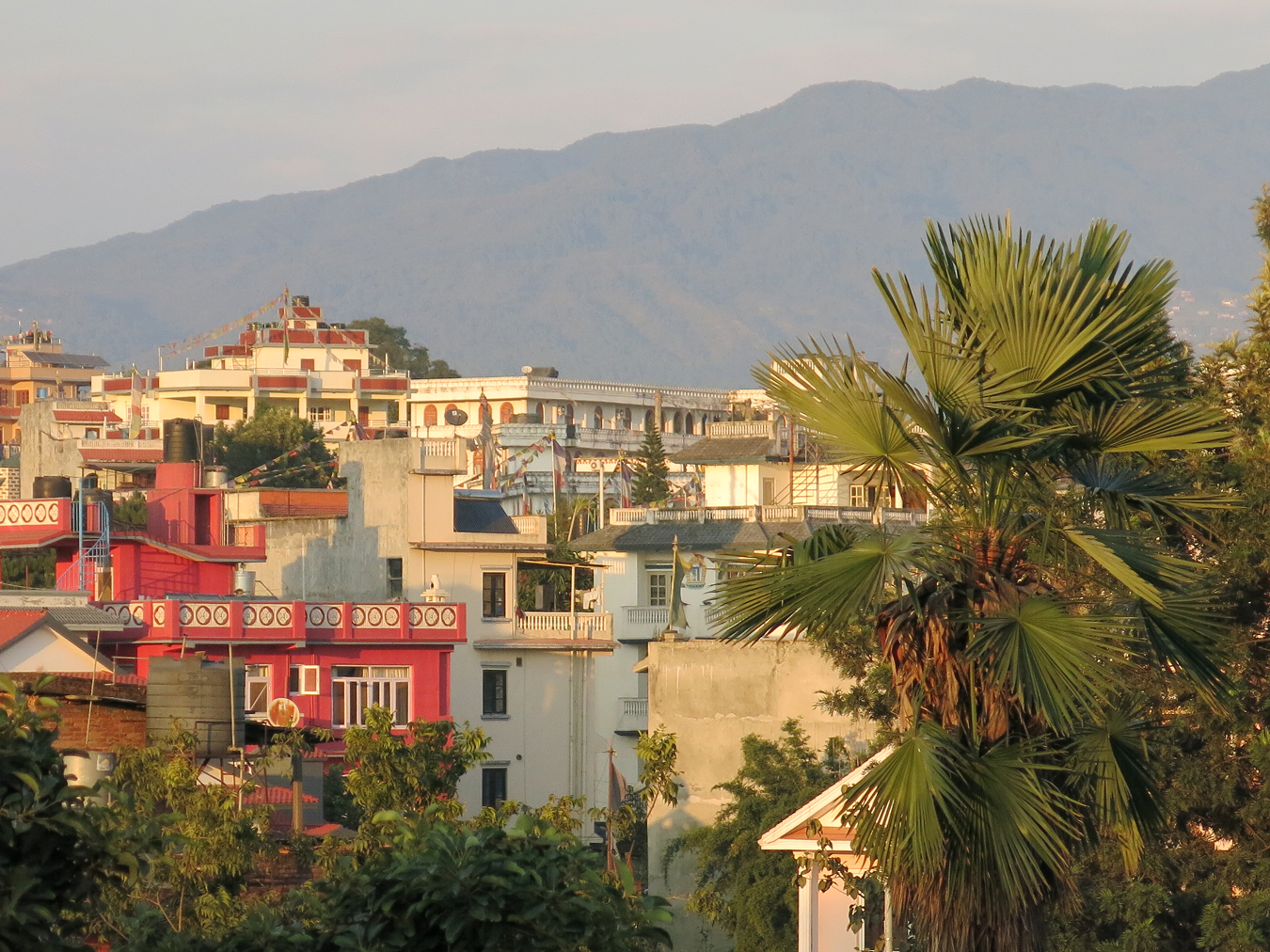
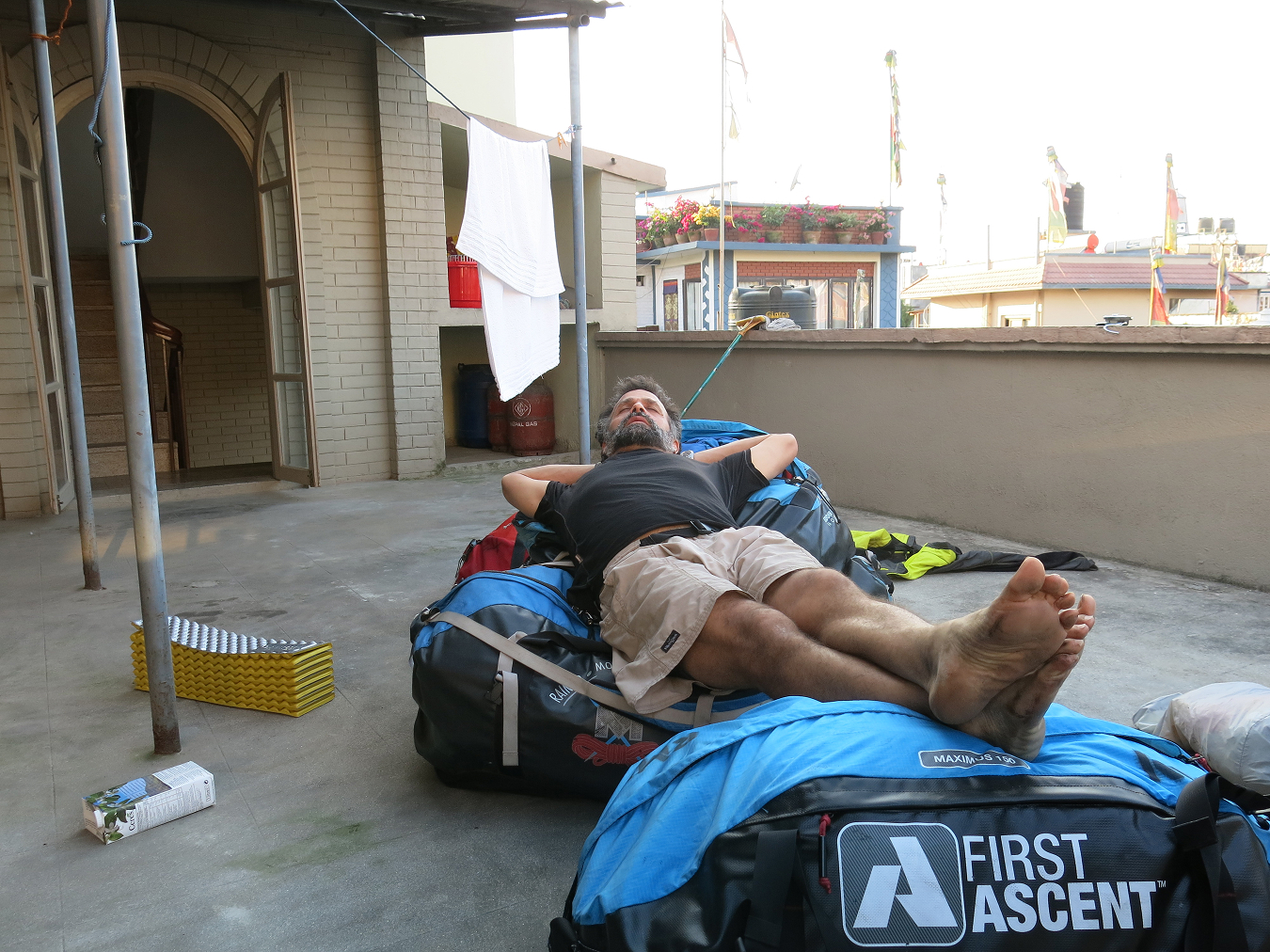
The Nepal Vertical Expedition connected Nepal's diverse landscapes and communities through a human-powered journey across the country. Traveling from the southern plains to the high Himalaya, Lonnie and his team combined trekking, climbing and cultural exchange while experiencing both the natural beauty of the region and the resilience of communities rebuilding after the 2015 earthquake. The expedition culminated in a successful ascent of Kyajo Ri, a 20,296 ft (6,186 m) peak in the Khumbu region.
Returning to Greenland after 20 years
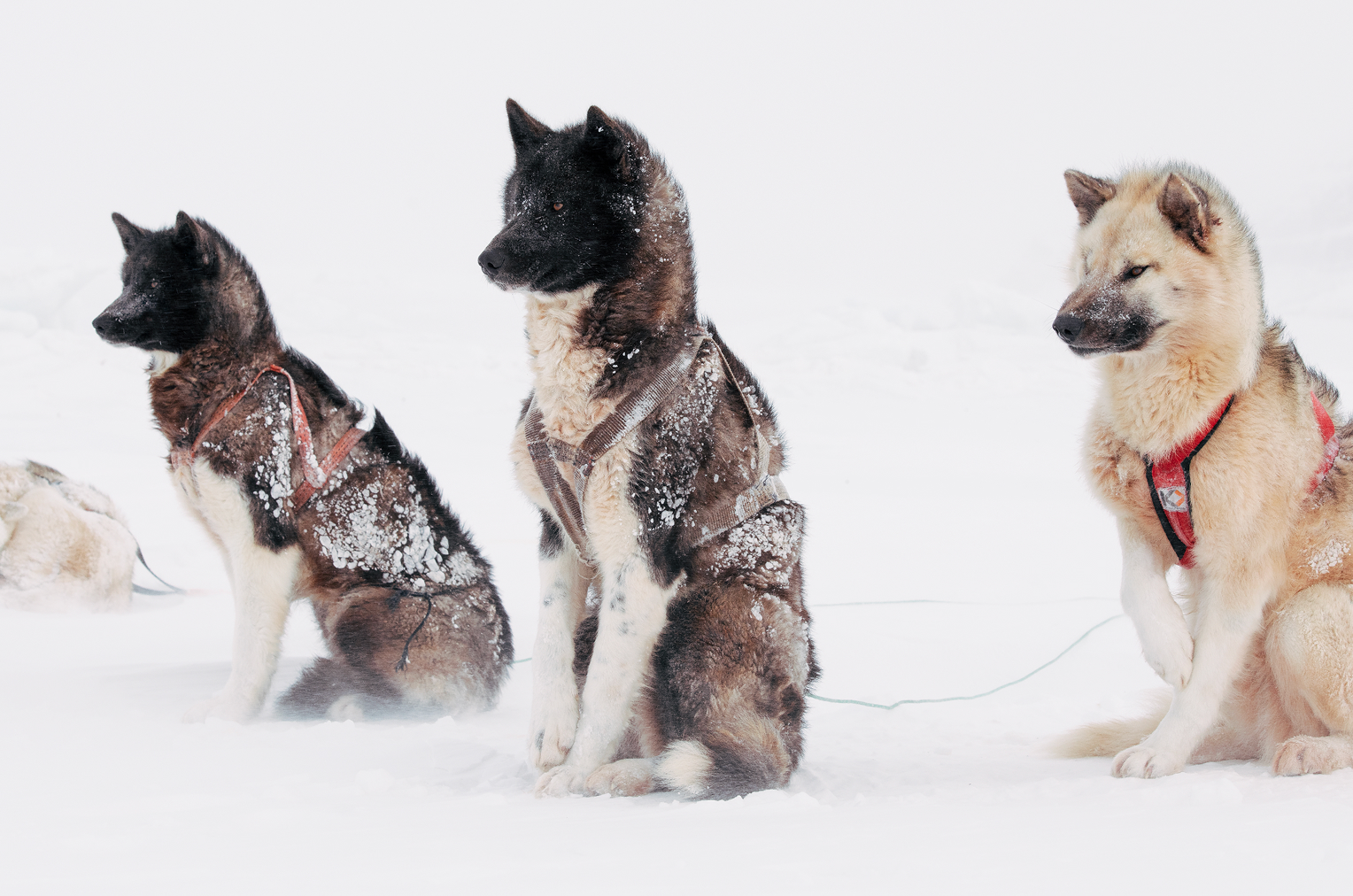
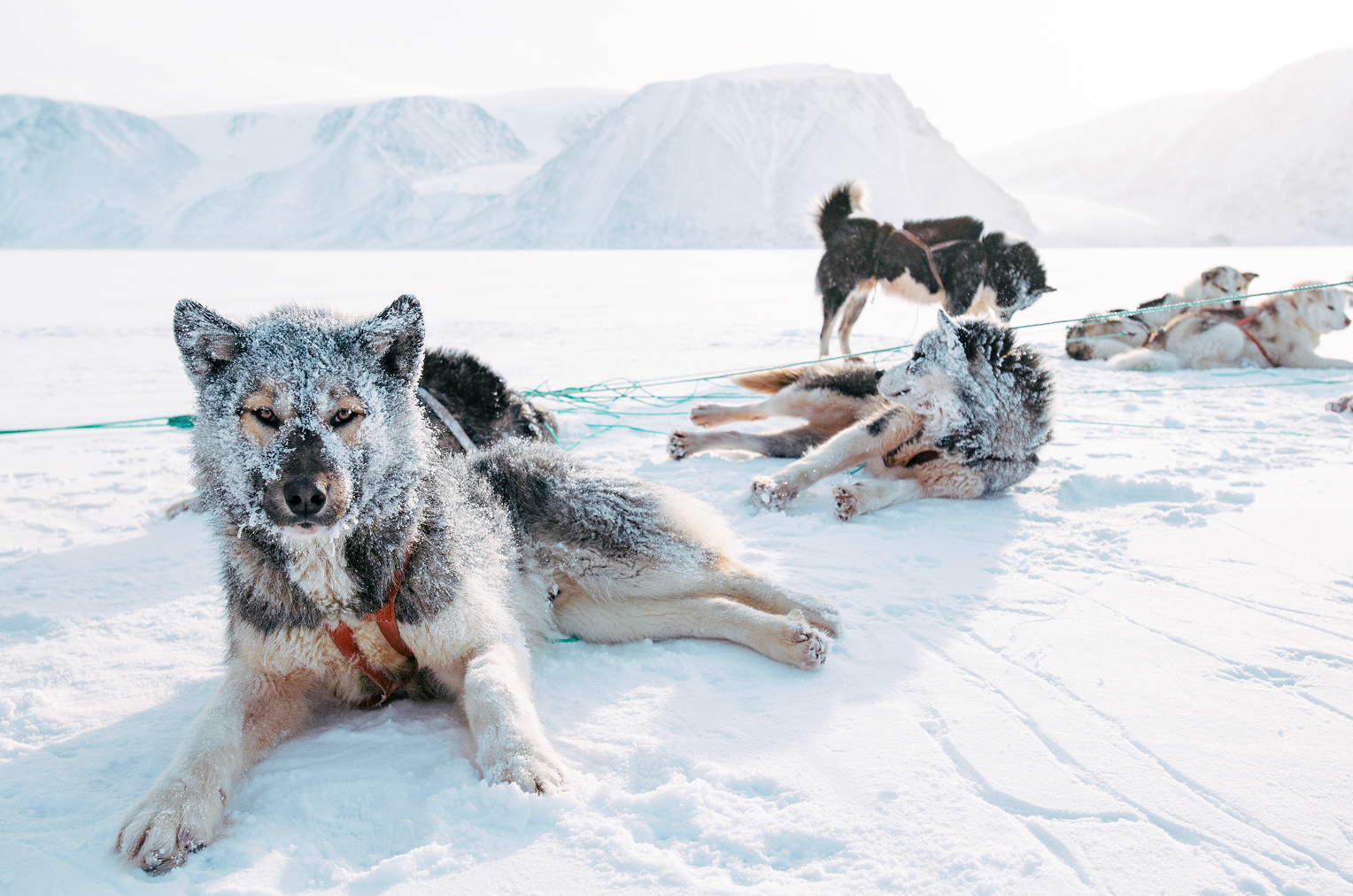
More than twenty years after completing the first and only non-motorized circumnavigation of Greenland, Lonnie returned to Northwest Greenland to reconnect with the Polar Inuit communities that helped shape his understanding of Arctic life. Traveling by traditional dog team, the AMKA expedition explored the connection between people, sled dogs and a changing environment while documenting local knowledge, cultural traditions and the impacts of climate change across the region.
Turning toward Mount Hunter
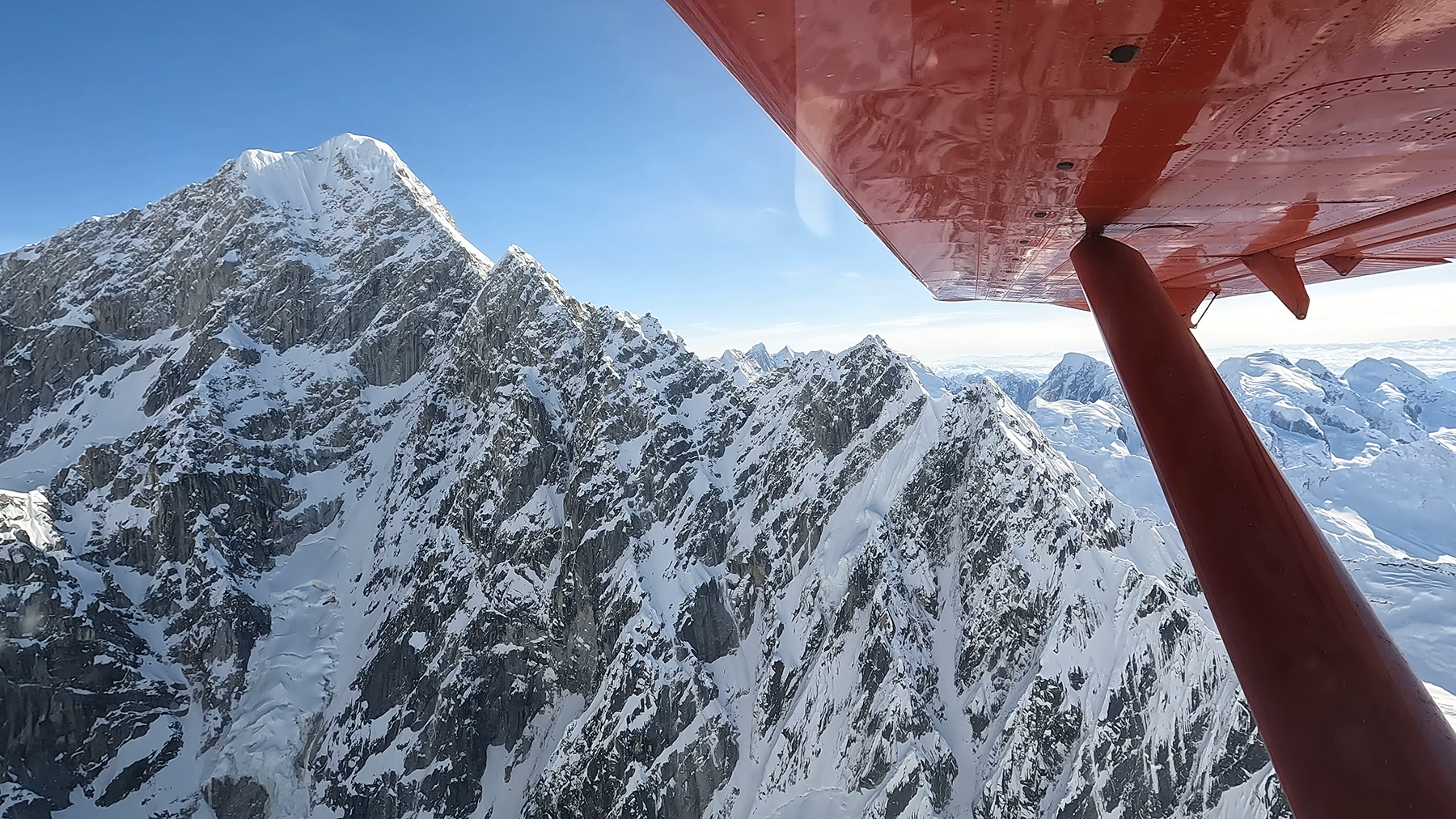
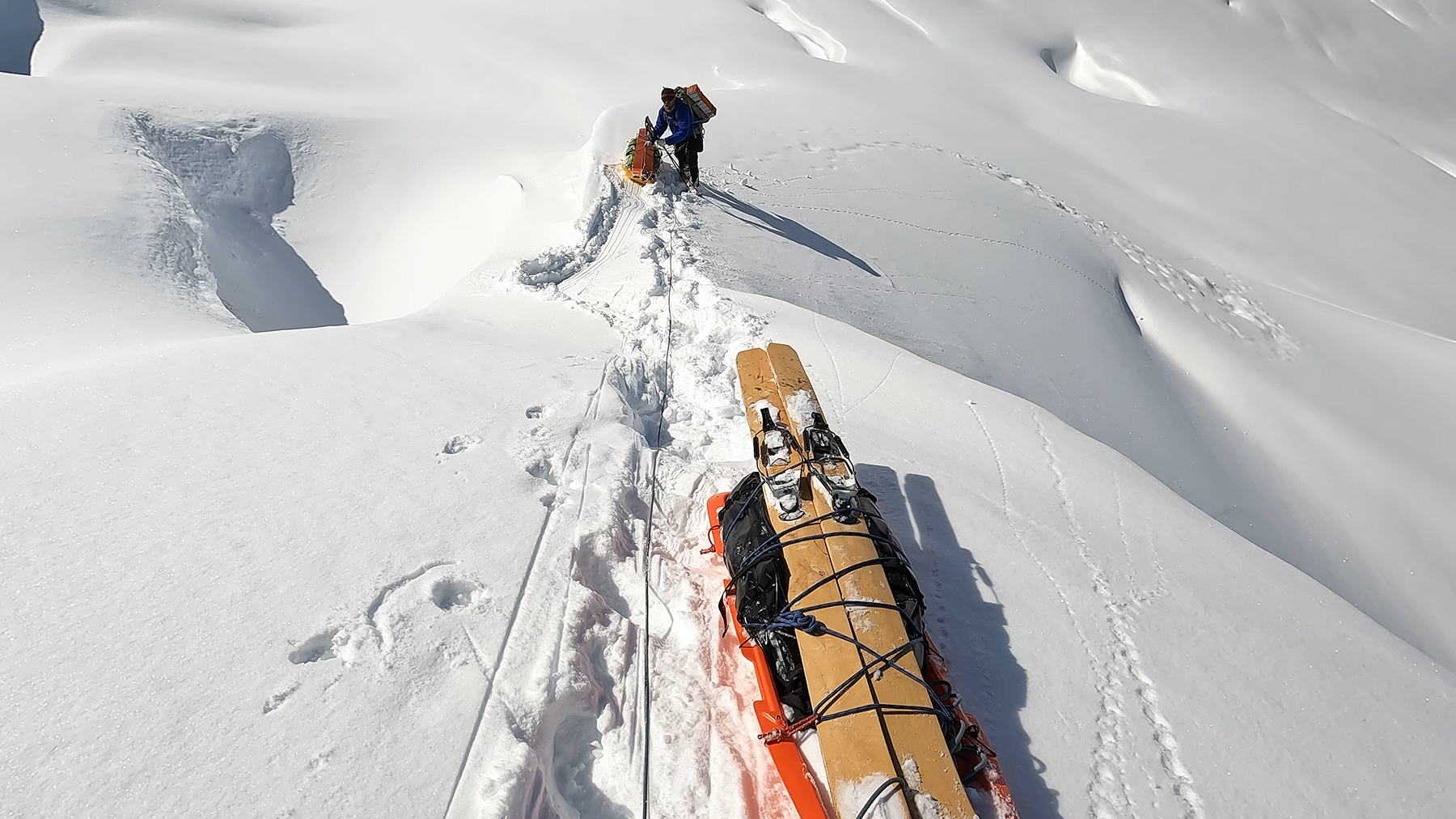
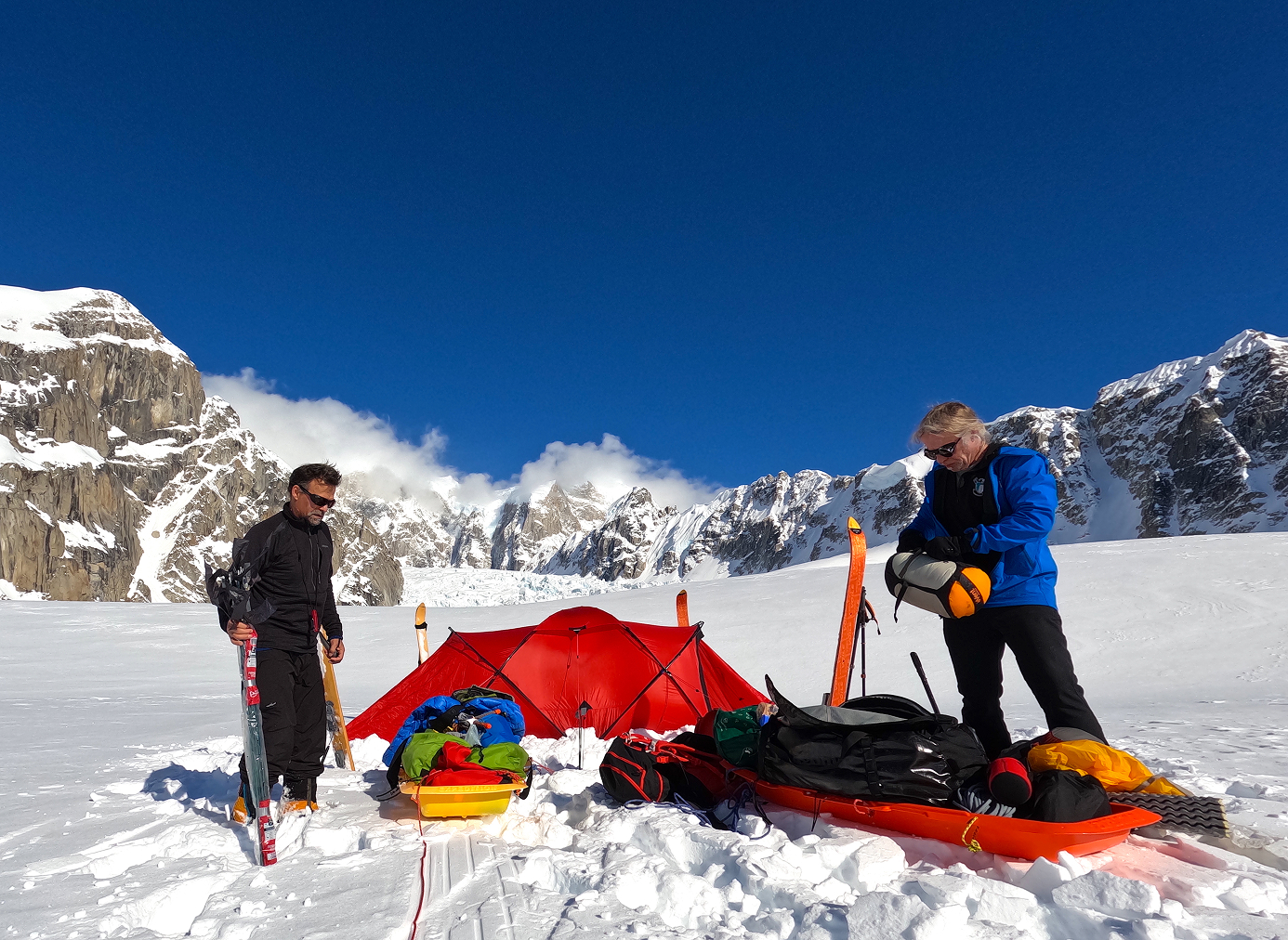
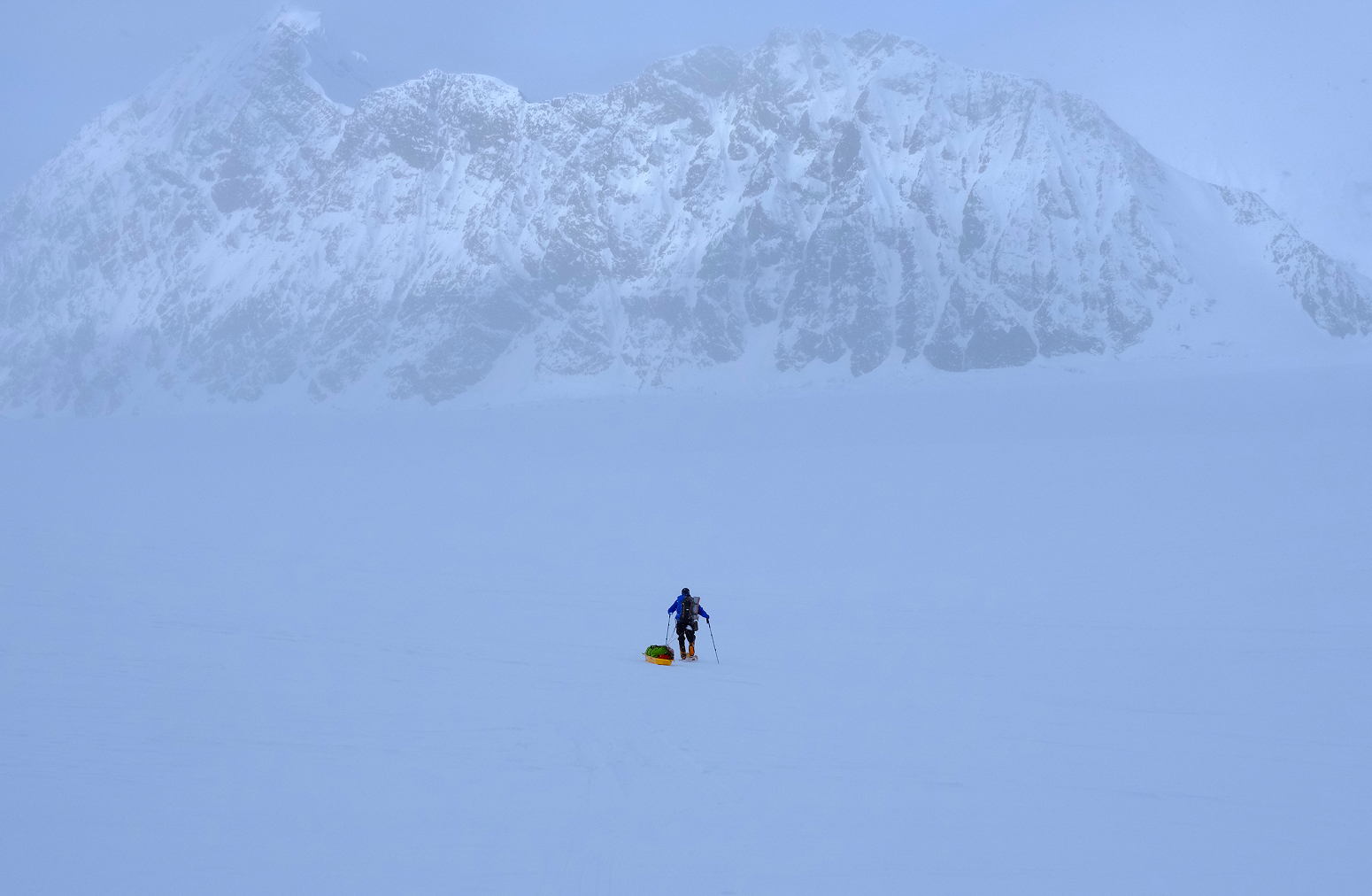
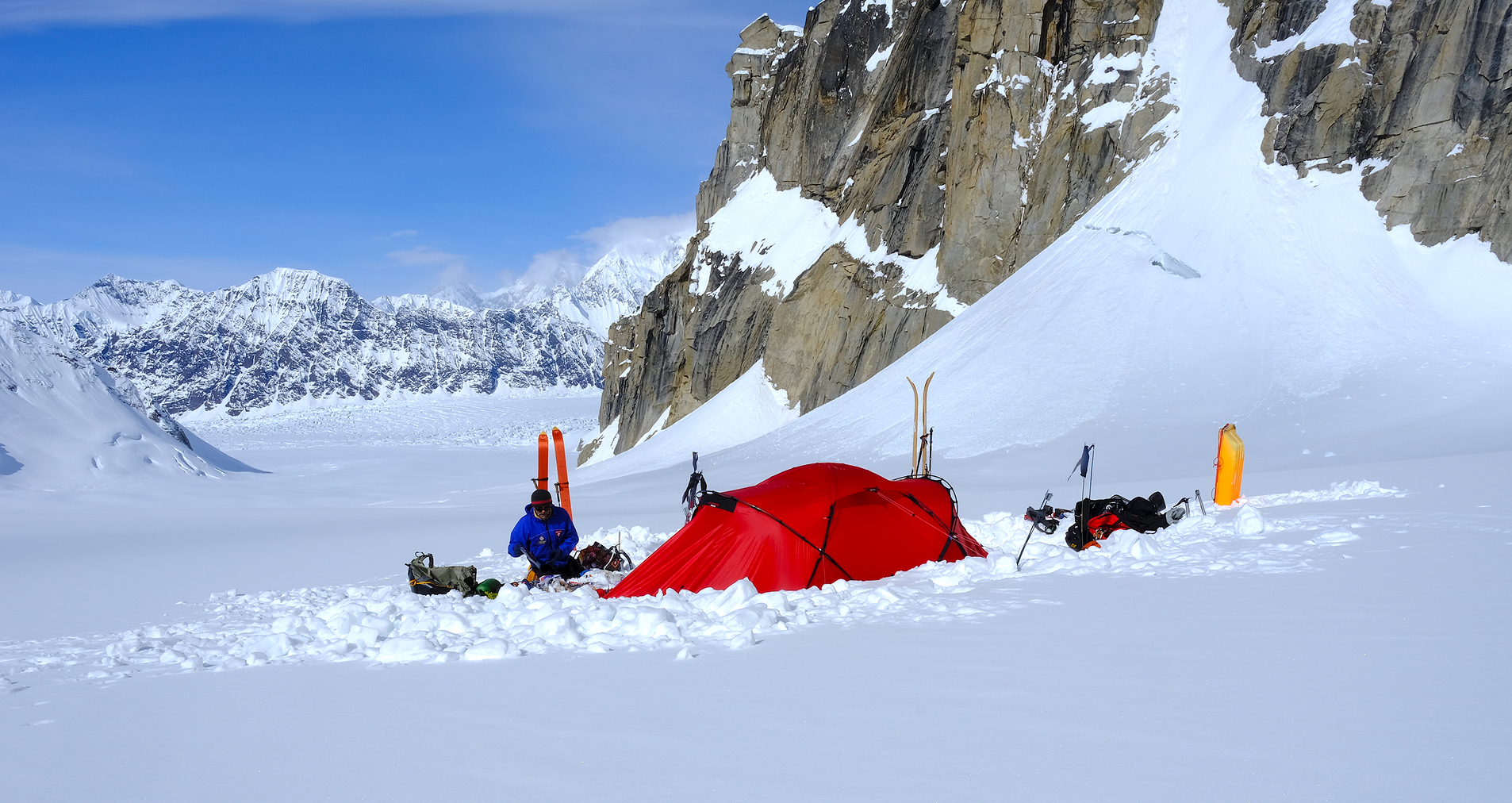
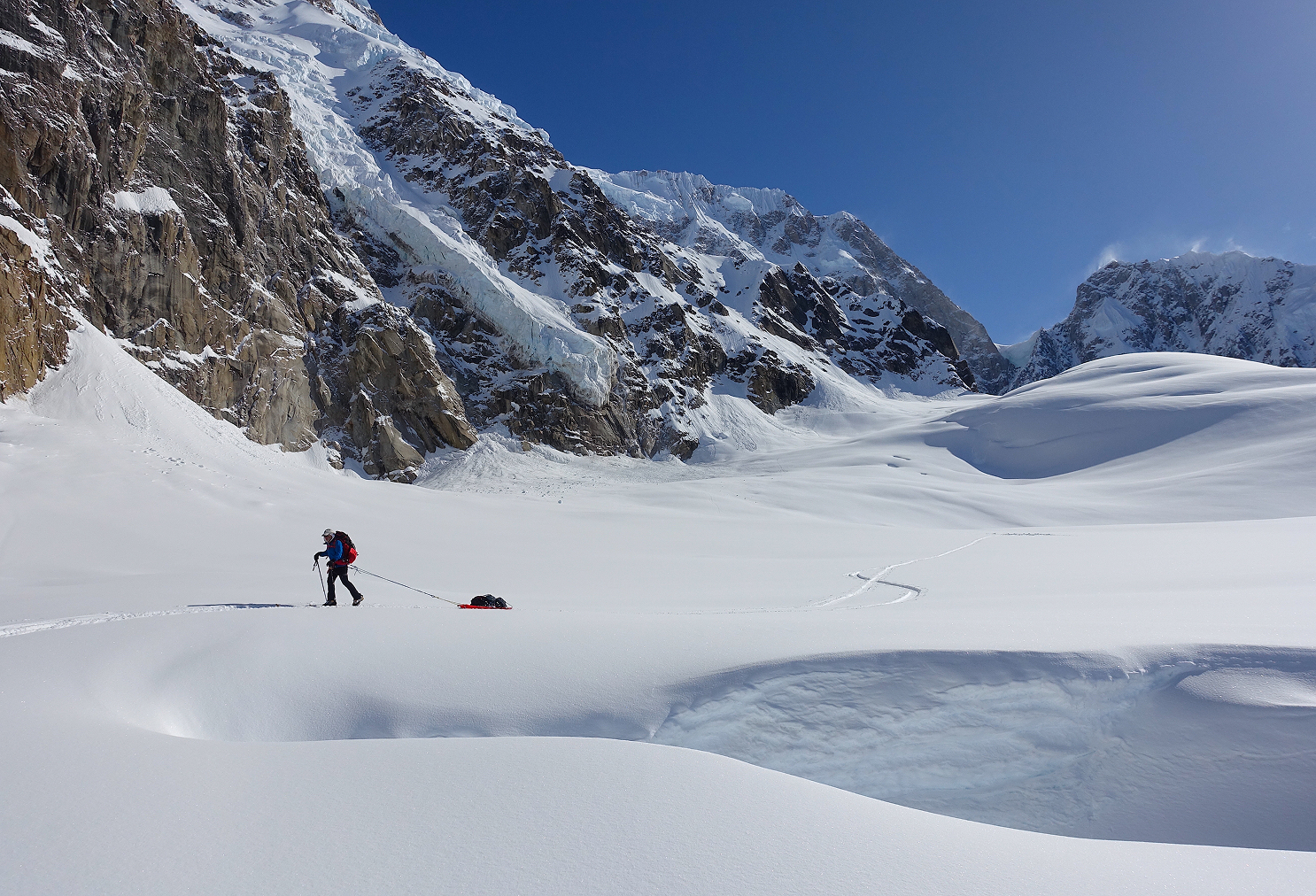
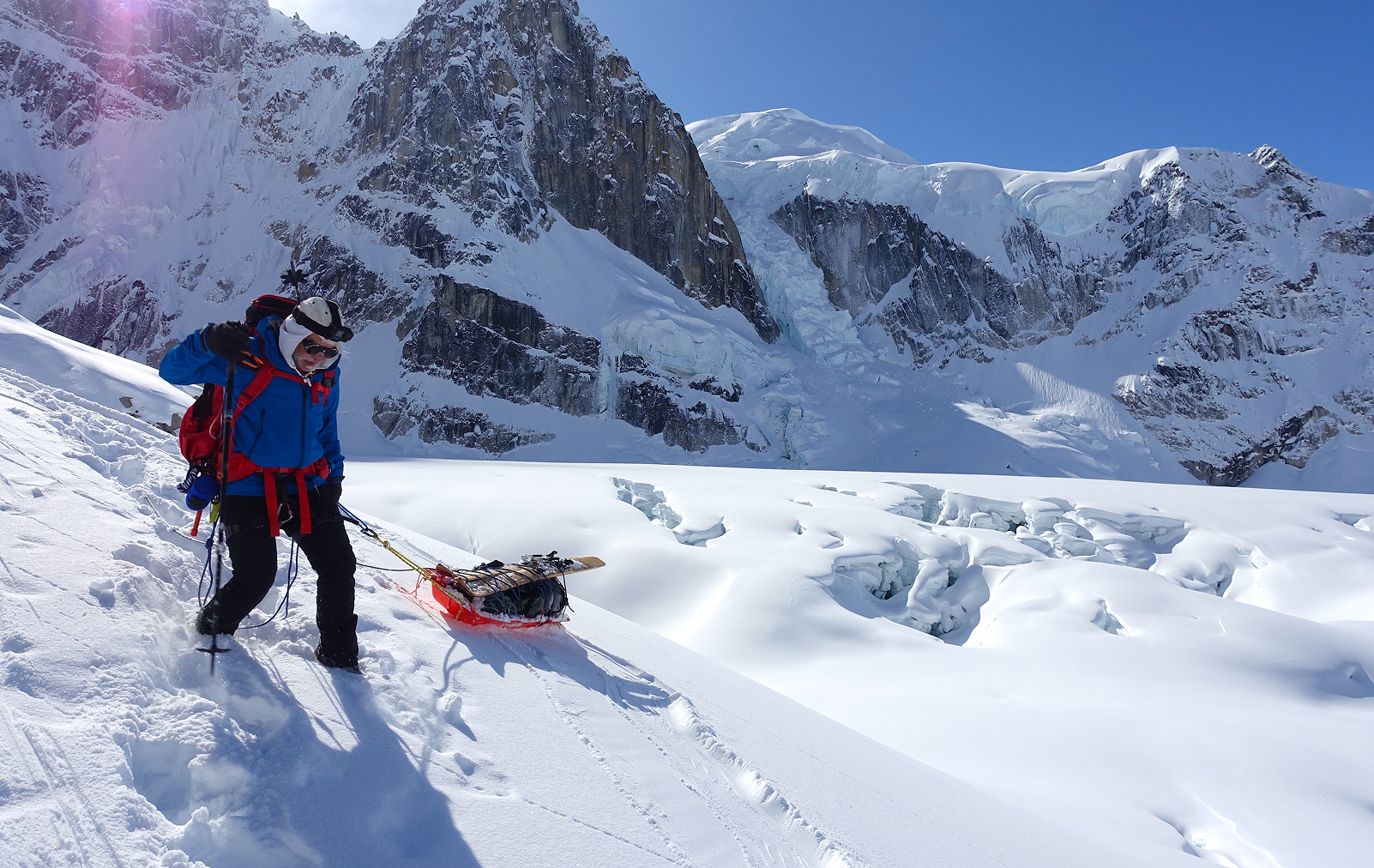
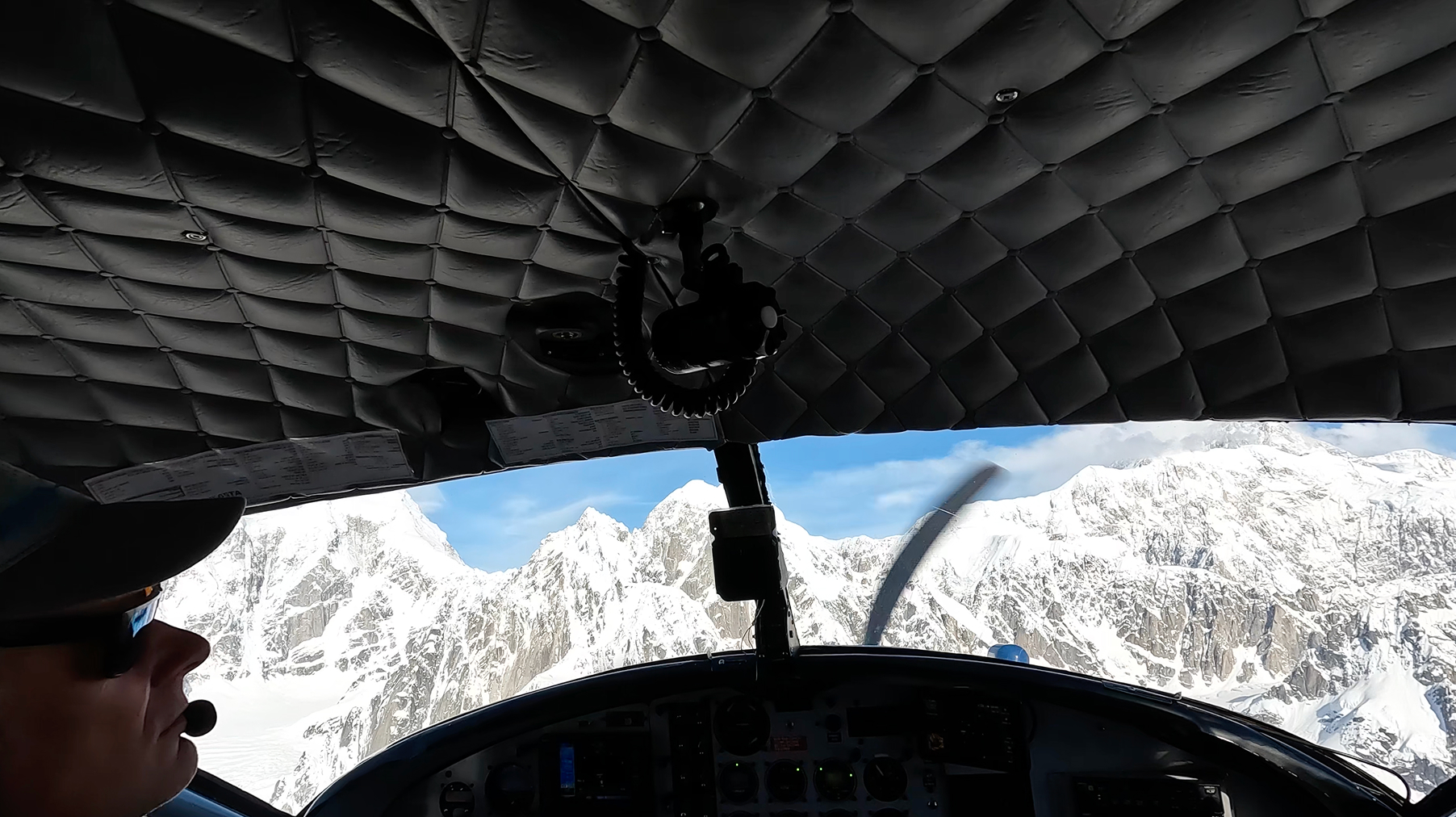
In 2023, Lonnie turned his focus to Mount Hunter, one of the most demanding peaks in the Alaska Range. Known for its steep terrain, severe weather and technical climbing, the mountain tested skills developed through decades of polar and mountaineering experience. The expedition added a new chapter to Lonnie's exploration of some of the world's most remote and unforgiving environments.
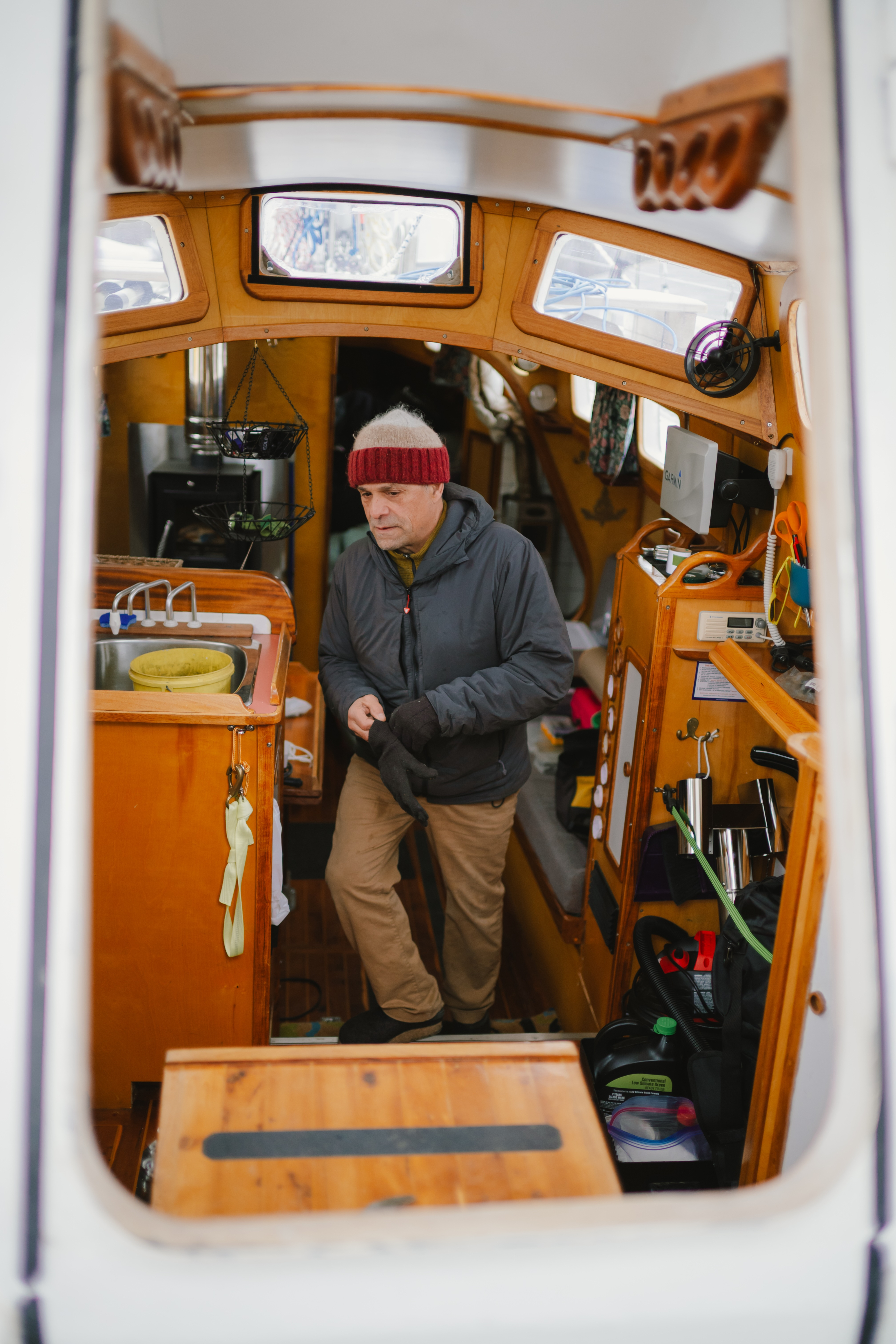
Life aboard the Nord Hus
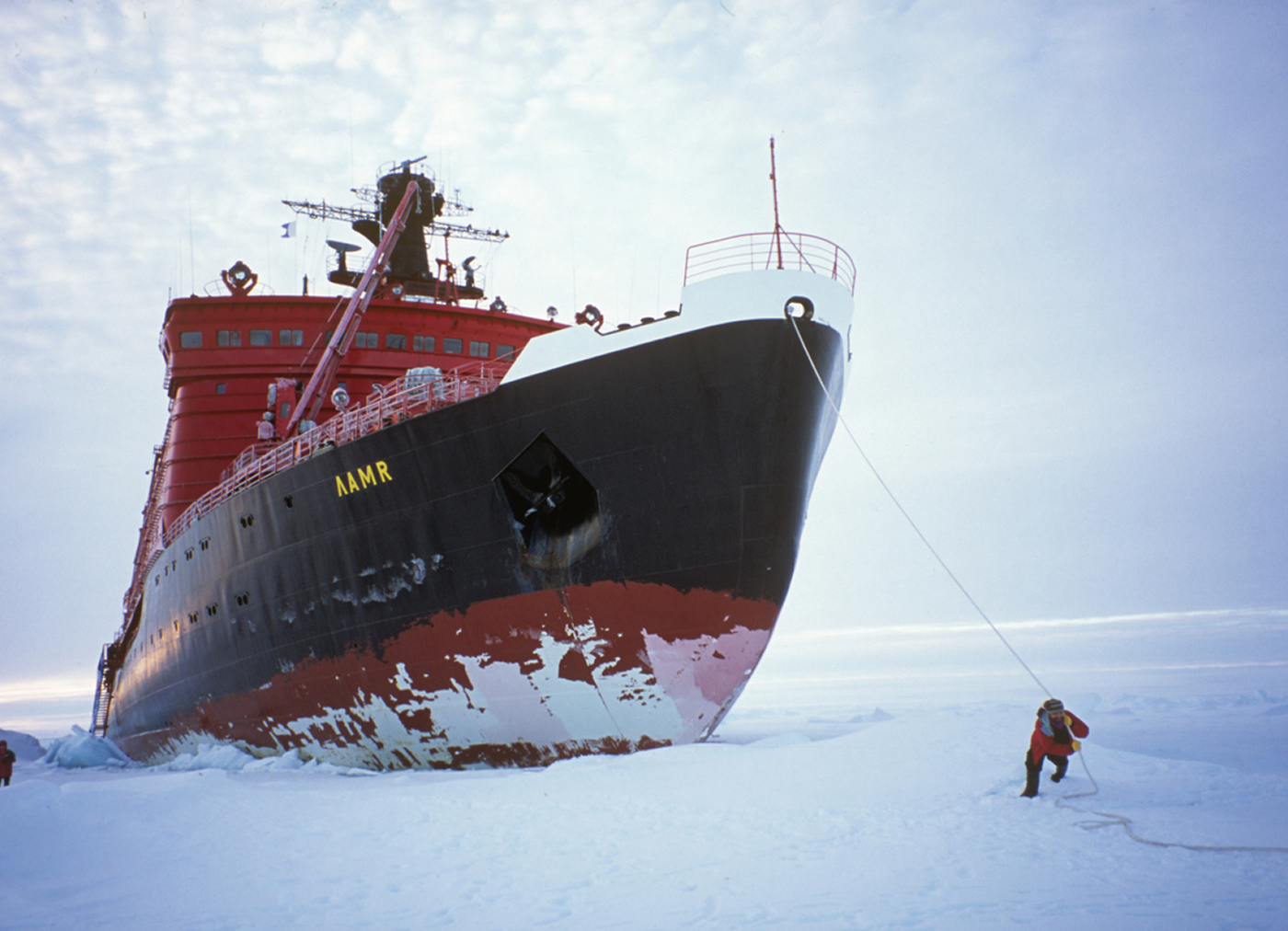
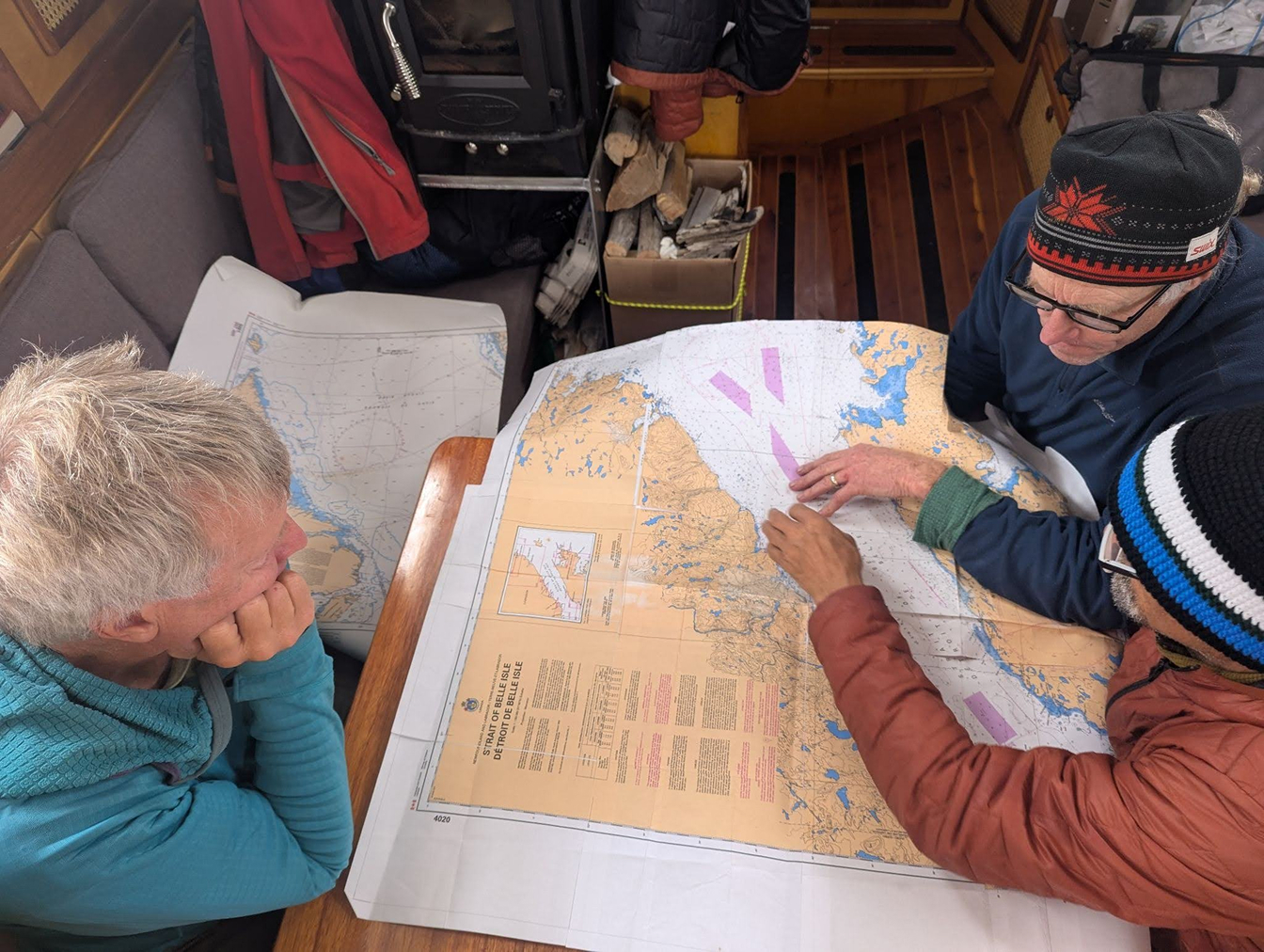
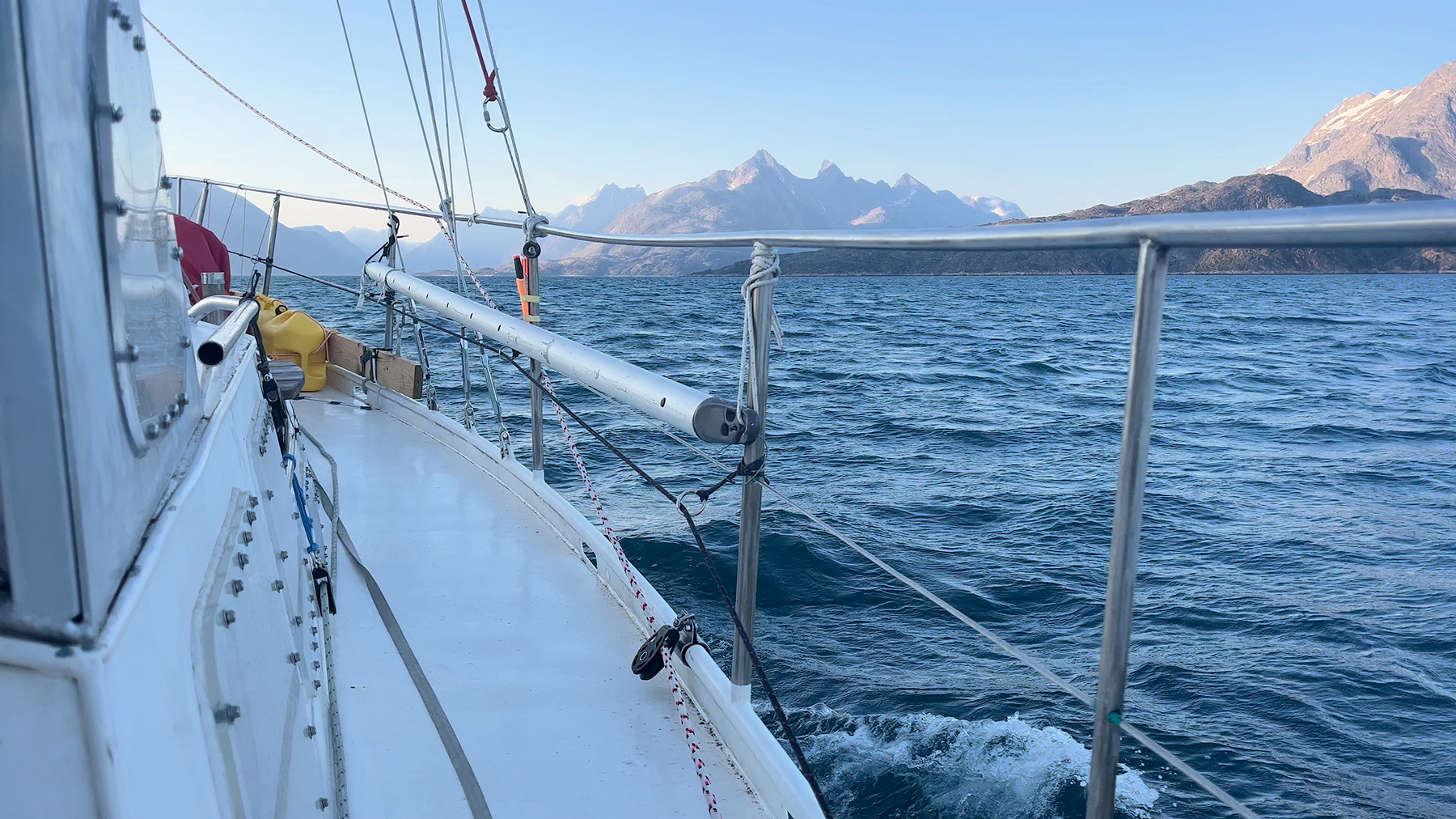
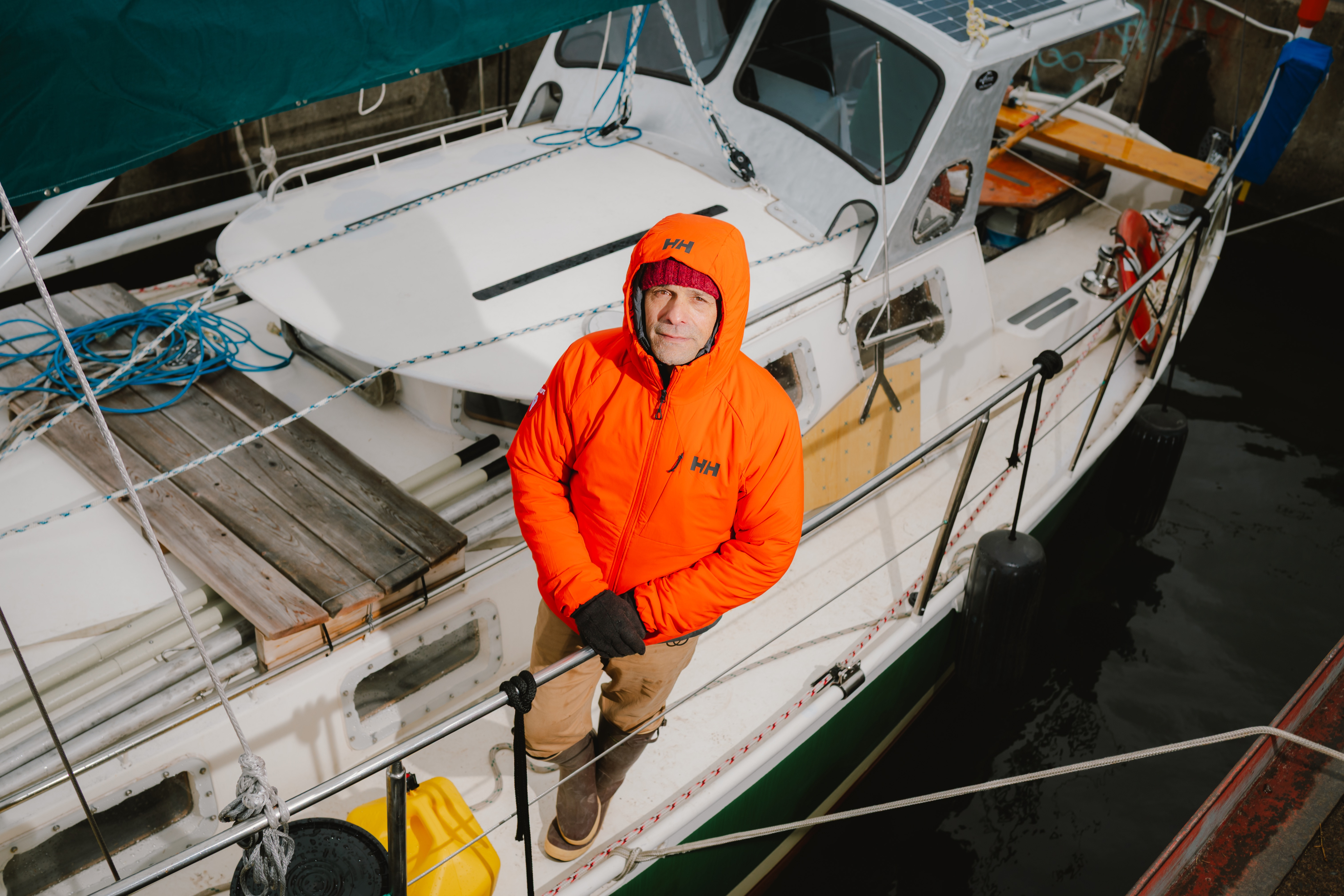
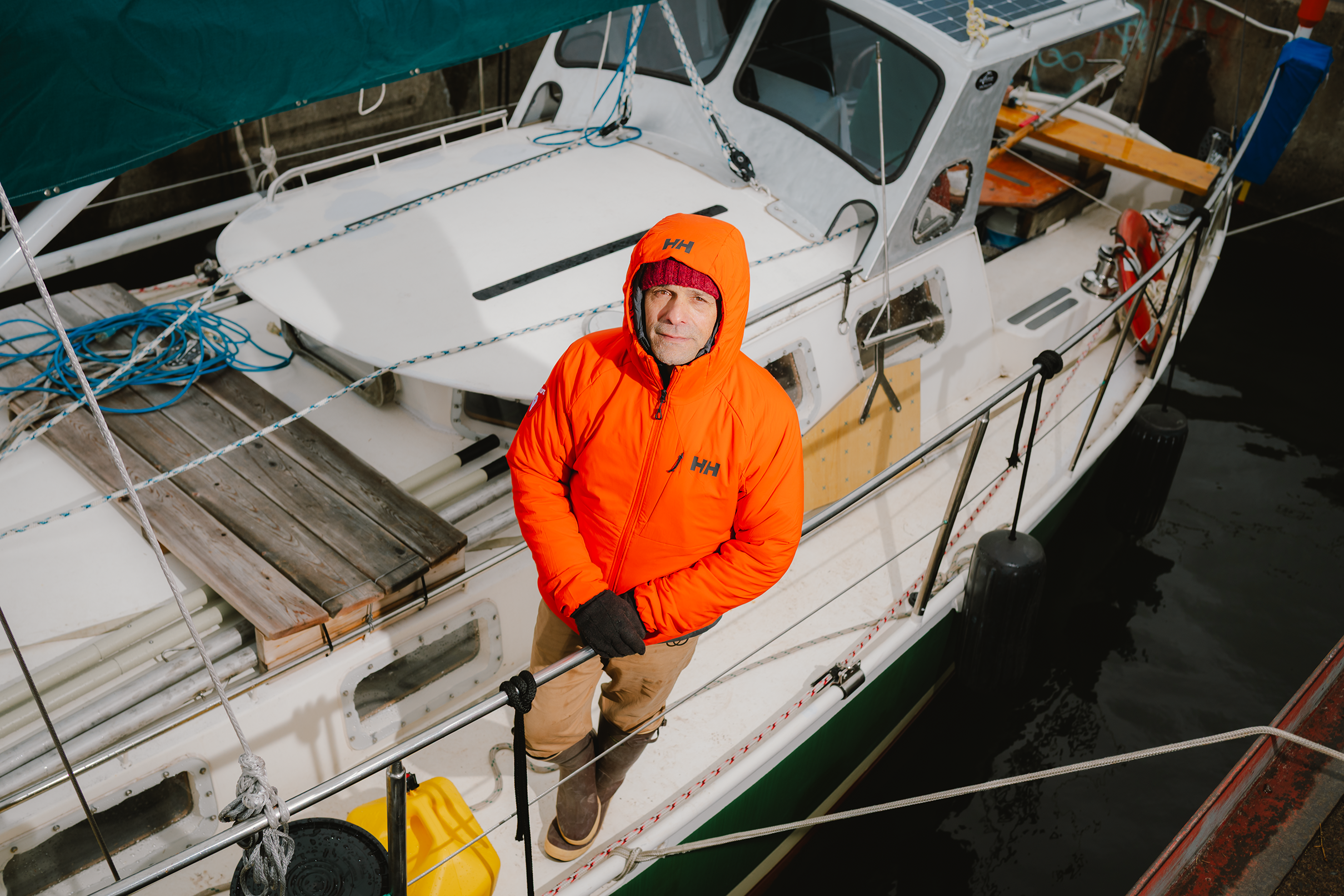
Nord Hus represents the fulfillment of a long-held goal: to sail north from home and experience the full distance, journey and connection to the Arctic. Following in the footsteps of early polar explorers who used ships to support their expeditions, Lonnie set course from Minnesota to Greenland in 2025, launching a multi-year journey through some of the world’s northernmost waters.
A new course north
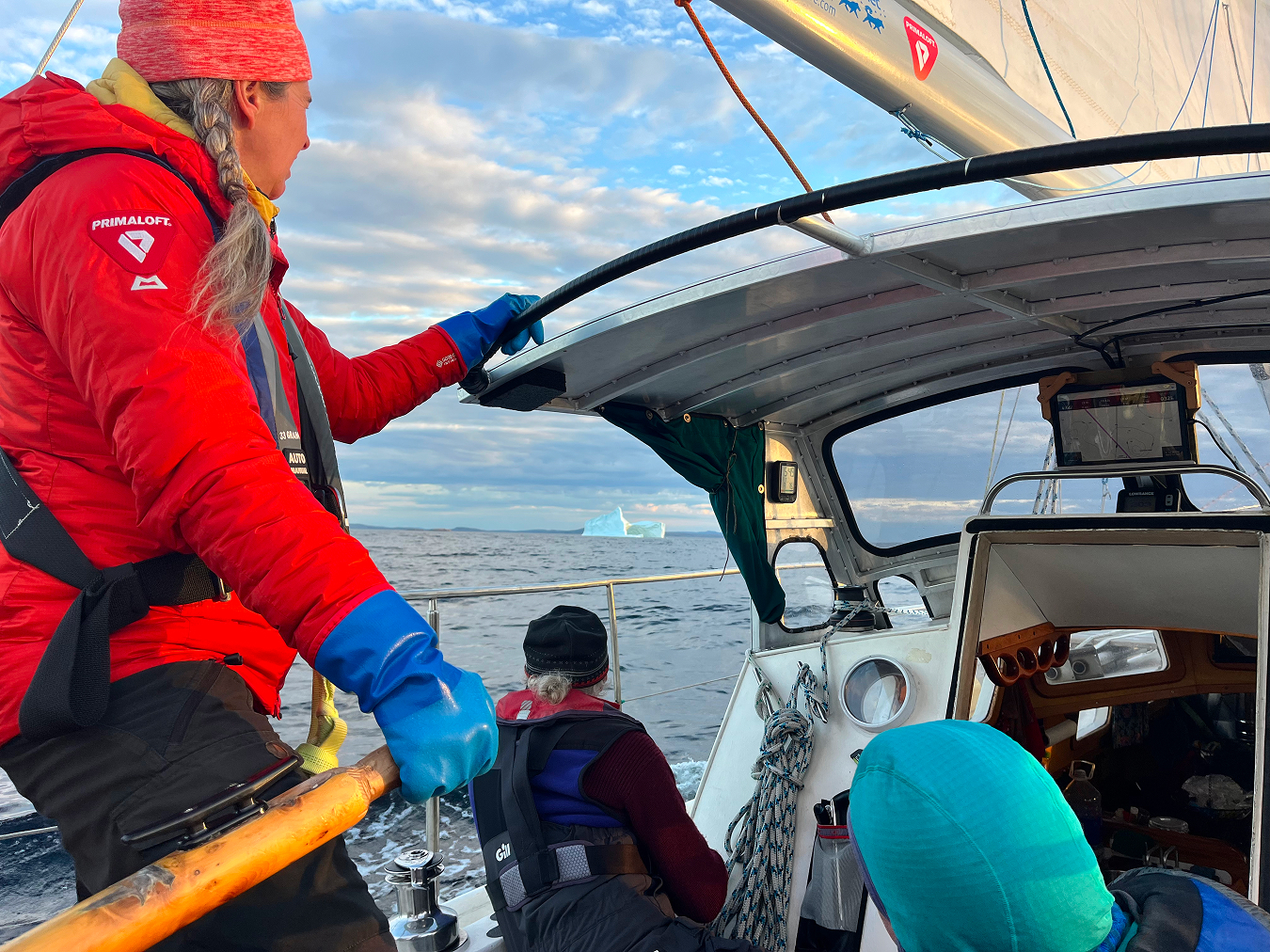
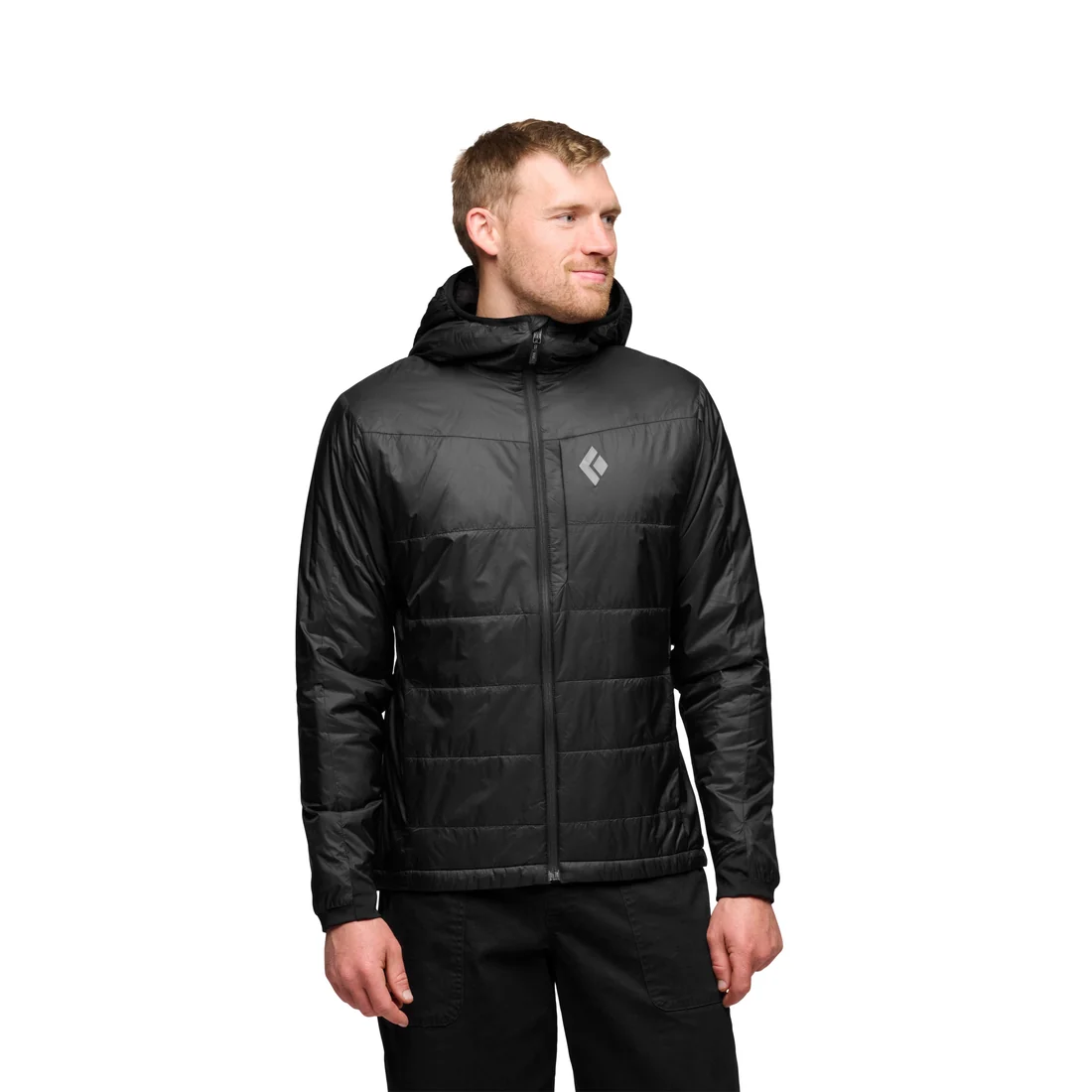
Nord Hus represents a new way of exploring the Arctic, but the demands remain familiar. Cold, moisture and changing conditions have been part of Lonnie’s expeditions for decades, which is why he relies on PrimaLoft® insulation. As he sailed Greenland’s coast, he put our technologies to the test.


.png)
.png)